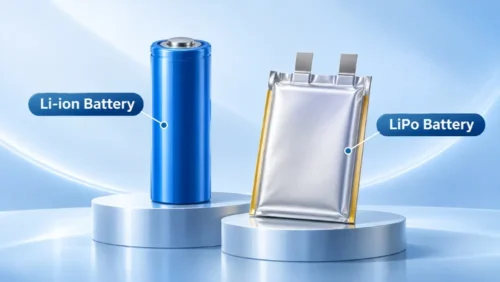
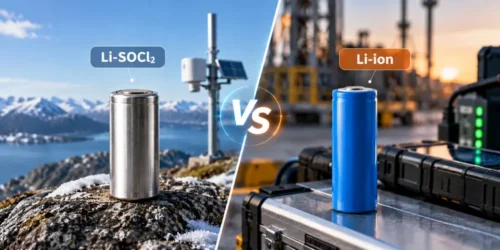
Lithium batteries offer several advantages, including high energy density, long cycle life, fast charging, lightweight design, and low maintenance requirements.
These benefits make rechargeable lithium batteries a practical power solution for portable electronics, industrial equipment, remote monitoring systems, and other applications.
Keep reading and we will explain these benefits in detail.
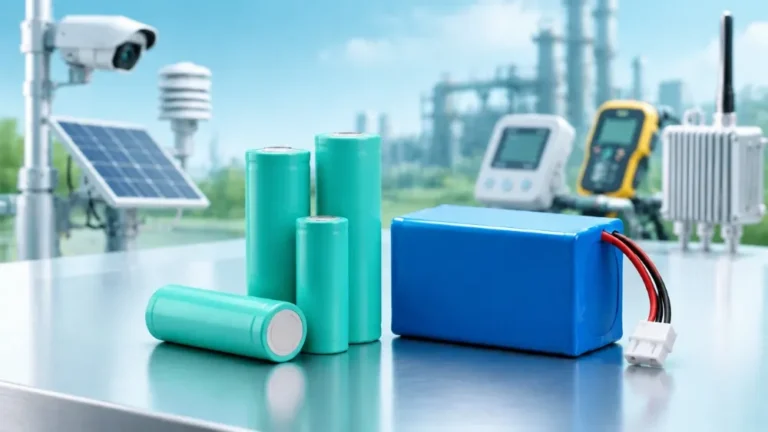
6 Main Benefits of Lithium Batteries
The six main benefits of lithium batteries include:
- High Energy Density: More energy in a smaller, lighter battery.
- Long Cycle Life: Longer service life with fewer replacements.
- Fast Charging: Shorter charging times for compatible battery cells.
- High Energy Efficiency: Less energy loss and reliable power delivery.
- Low Self-Discharge: Better charge retention with minimal maintenance.
- Lower Long-Term Costs: Reduced replacement and maintenance expenses.
1. High Energy Density and Lightweight Design
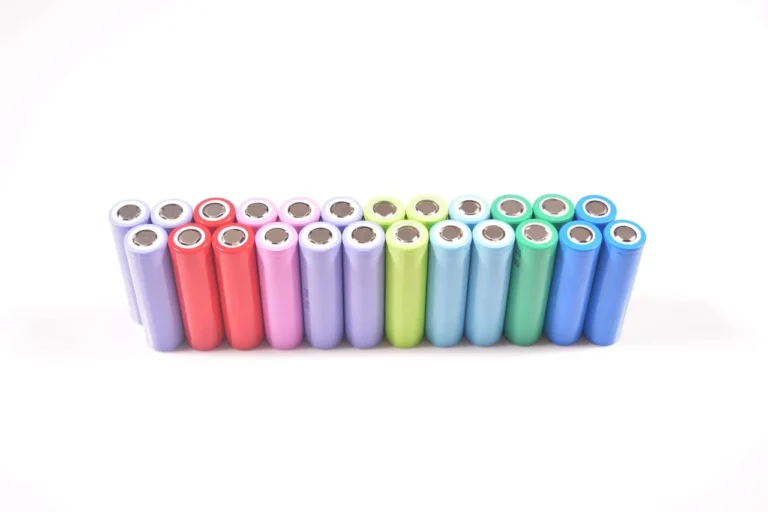
Lithium-ion batteries offer high energy density, allowing more energy to be stored in a compact, lightweight design.
This makes them ideal for portable instruments, industrial sensors, and space-constrained equipment requiring longer runtime without additional weight.
2. Long Cycle Life
Rechargeable lithium batteries typically provide hundreds to thousands of charge-discharge cycles, depending on their chemistry and operating conditions.
Conventional lithium-ion batteries often deliver 300–500 cycles. (LiFePO4 batteries can achieve several thousand cycles under suitable conditions.)
A longer cycle life means fewer replacements, reduced maintenance, and improved equipment reliability.
3. Fast Charging Capability
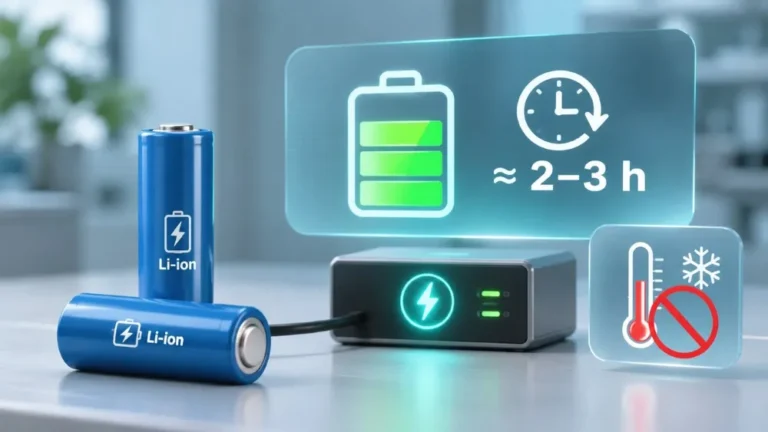
Many lithium-ion batteries support charging rates of 0.5C–1C, allowing charging within approximately 2–3 hours under suitable conditions.
Some specialized cells support faster charging. However, charging speed depends on cell specifications, temperature, and protection systems.
Important: Standard lithium-ion batteries should not be charged below their specified temperature limits without appropriate charging controls.
4. High Energy Efficiency and Reliable Power Delivery
Lithium-ion batteries typically achieve 85–95% round-trip energy efficiency under suitable operating conditions, reducing energy losses during charging and discharging.
Selected lithium cells also support high discharge currents, making them suitable for industrial devices requiring stable continuous power or short bursts of peak power.
5. Low Self-Discharge and Minimal Maintenance
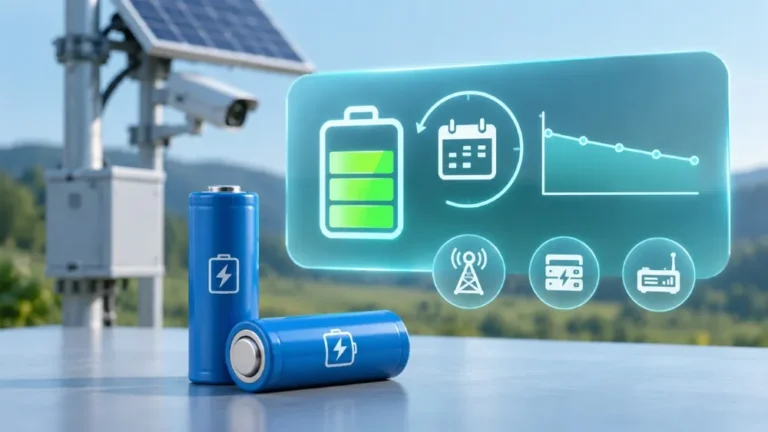
Lithium-ion batteries generally have low self-discharge rates, often around 1–2% per month under suitable storage conditions.
This helps maintain battery charge during standby periods, benefiting remote monitoring systems, backup electronics, and intermittently used equipment.
Proper storage and periodic inspection are still recommended.
6. Lower Long-Term Operating Costs
Although lithium batteries often have higher upfront costs, their longer lifespan, high efficiency, and minimal maintenance can reduce the total cost of ownership (TCO).
For industrial applications, fewer battery replacements can also mean less equipment downtime and lower maintenance expenses.
How Do Lithium Batteries Benefit Industrial Applications?

Industrial IoT and Remote Sensors
Industrial IoT devices often require compact batteries that can support long operating periods with minimal maintenance.
Lithium batteries are suitable for applications such as wireless sensors, data loggers, smart meters, and remote monitoring terminals.

Outdoor Monitoring and Communication Devices
Outdoor equipment may experience freezing temperatures, summer heat, and fluctuating power demands.
Applications include environmental monitoring stations, wireless communication terminals, outdoor security systems, and remote data collection devices.
For cold-weather applications, low-temperature batteries should be considered. Explore the differences between low-temperature and standard lithium batteries to better understand their performances.

Automotive Electronics and Backup Power Systems
Lithium batteries can support compact automotive electronic systems, including vehicle tracking devices, telematics equipment, and selected backup power modules.
These applications may require small battery dimensions, standby capability, peak-current performance, and operation across changing temperatures.
Medical and Portable Instruments
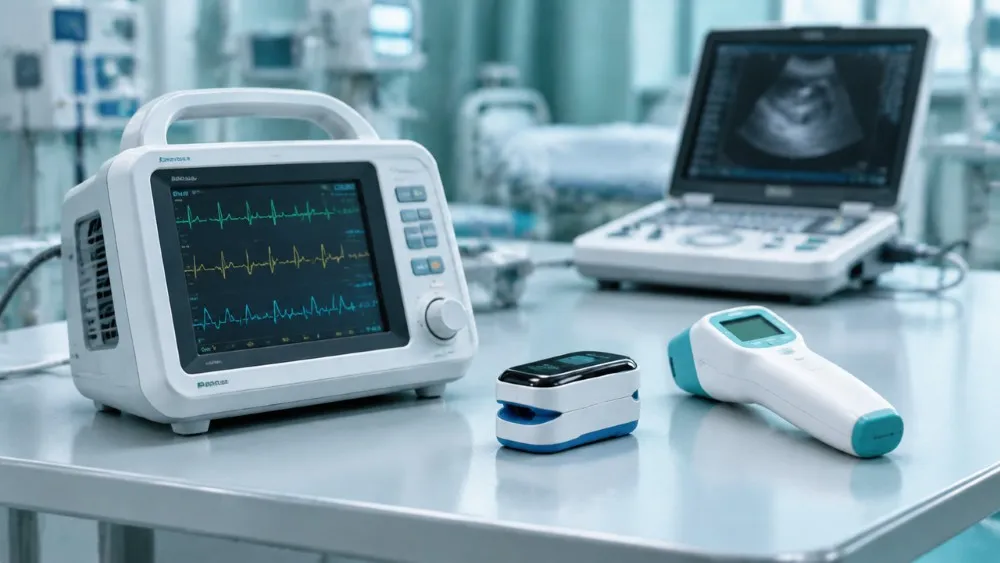
Portable medical and diagnostic instruments benefit from batteries that provide high energy density within compact and lightweight designs.
Typical applications include portable monitoring devices, diagnostic equipment, and handheld measurement instruments.
Battery selection should consider runtime, discharge stability, safety protection, and applicable medical device requirements.
Industrial Automation and Measurement Equipment
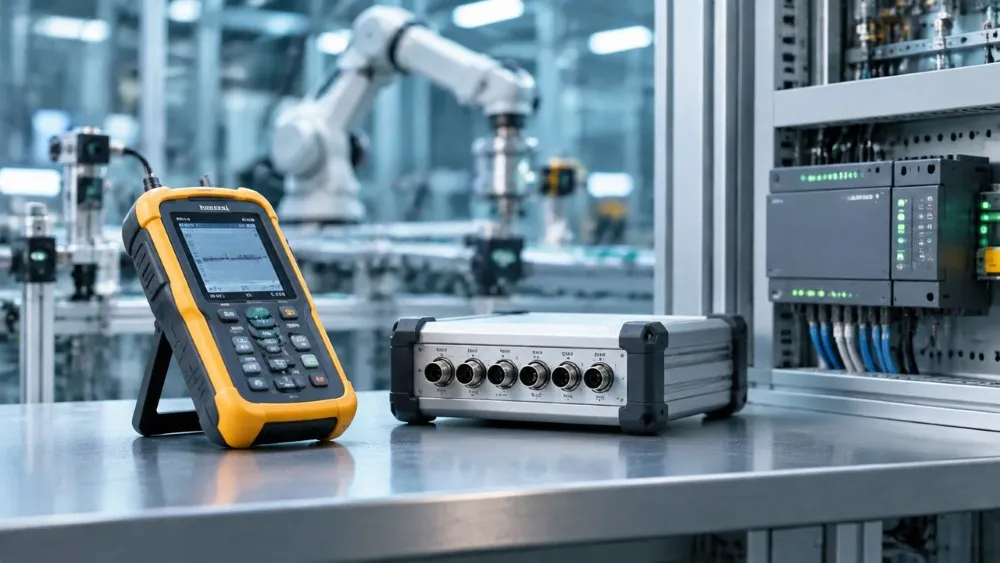
Industrial controllers, handheld test instruments, portable data acquisition systems, and automated measurement devices often require reliable rechargeable power.
Lithium batteries can support repeated operation while helping reduce battery size and replacement frequency.
For industrial equipment operating in demanding environments, battery selection should account for temperature exposure, current requirements, mechanical integration, and expected service life.
What Are the Limitations of Lithium Batteries?
Despite their advantages, lithium batteries are not suitable for every application without design considerations.
| Limitation | What Engineers Should Consider |
| Higher initial cost | Evaluate total cost over the expected service life |
| Temperature sensitivity | Verify charging and discharging limits under actual conditions |
| Safety requirements | Use appropriate protection, charging control, and mechanical design |
| Capacity degradation | Consider cycle aging, calendar aging, and operating conditions |
| Transportation and disposal | Follow applicable transport, handling, and recycling requirements |
Choose the Right Lithium Battery for Your Application
The following four factors can help engineers identify a suitable battery solution.
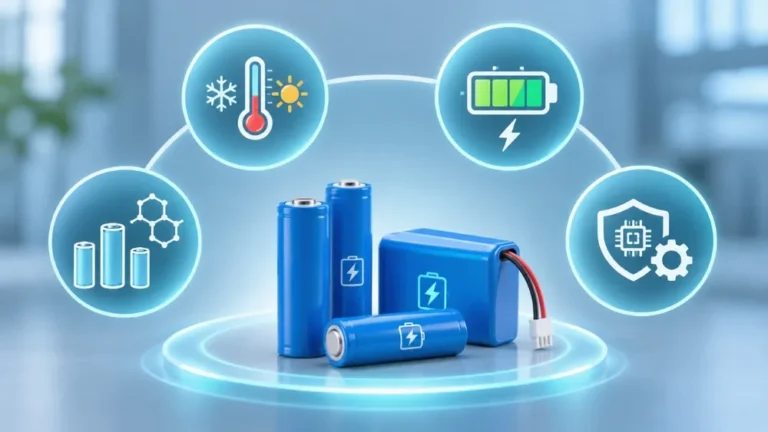
Operating Temperature
Check the battery’s charging, discharging, and storage temperature limits. Extreme environments may require specialized cells, charging protection, or thermal management.
For more details, see our comparison of Ni-MH and lithium batteries in low temperature.
Voltage, Capacity, and Discharge Current
Ensure the battery meets your equipment’s voltage, runtime, and continuous or peak current requirements, including under low-temperature conditions.
Battery Chemistry, Size, and Configuration
Select the appropriate chemistry (LiFePO4, NMC, or LCO), cell format (14500, 18650, or 21700), and series/parallel configuration based on your application.
Note: a 14500 lithium-ion battery is not directly interchangeable with an AA battery.
Battery Protection and Customization
For OEM and industrial equipment, consider PCM/BMS protection, temperature monitoring, cell balancing, connectors, and mechanical design. Custom battery packs may be necessary for demanding applications.
UltraXel Lithium Battery Solutions for Industrial Applications
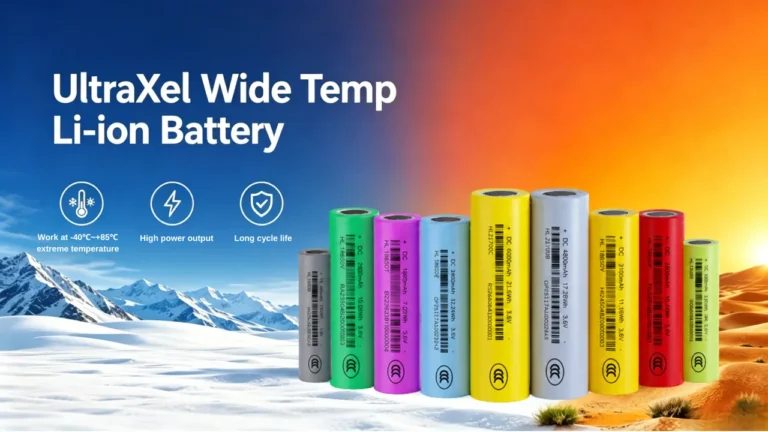
UltraXel specializes in wide-temperature lithium-ion cells and customized battery solutions for industrial, automotive electronics, medical, and outdoor electronic equipment operating in demanding temperatures.
| Product Category | Key Features | Typical Applications |
| 14500 Wide-Temp Lithium Batteries | Compact size, wide-temperature performance | Compact sensors, smart devices, automotive electronics |
| 18650 Wide-Temp Lithium Batteries | Multiple capacity, discharge rate, and chemistry options | Automotive electronics, industrial IoT, communication, monitoring equipment |
| 21700 Wide-Temp Lithium Batteries | Higher-capacity cylindrical cell platform | Industrial equipment, outdoor devices |
| 32140 Wide-Temp Lithium Batteries | Large-format cylindrical cell platform | Industrial and specialized power systems |
| Custom Wide-Temp Lithium Battery Packs | Customized voltage, capacity, structure, and protection | OEM/ODM equipment and integrated power systems |
Beyond standard battery cells, UltraXel supports OEM and ODM customers with application-specific custom wide-temp battery packs.
FAQ
Why are lithium-ion batteries better for many applications?
Lithium-ion batteries offer high energy density, relatively low weight, long cycle life, and efficient rechargeable performance. These advantages make them suitable for many portable and industrial electronic devices.
Are lithium batteries worth the higher initial cost?
They can be, especially when long service life, reduced maintenance, and fewer replacements lower the total cost of ownership. The economic benefit should be evaluated against the actual duty cycle and expected operating life.
Do lithium batteries require a BMS?
Many rechargeable lithium battery packs require appropriate protection and management functions to control overcharging, overdischarging, overcurrent, and temperature-related risks. The required protection architecture depends on the cell configuration and application.
Can lithium batteries operate in extreme temperatures?
Some specialized lithium batteries are designed for low- or high-temperature environments. However, charging and discharging limits vary by chemistry and product. Extreme-temperature operation should always be verified against the manufacturer’s specifications and relevant test data.