Why Choose UltraXel LFP Cylindrical Cells

Safer Chemistry
Lower risk of thermal runaway
High thermal stability

Long Cycle Life
Extended lifespan
Reduced maintenance cost

Stable 3.2V Output
Consistent voltage platform
Reliable system integration

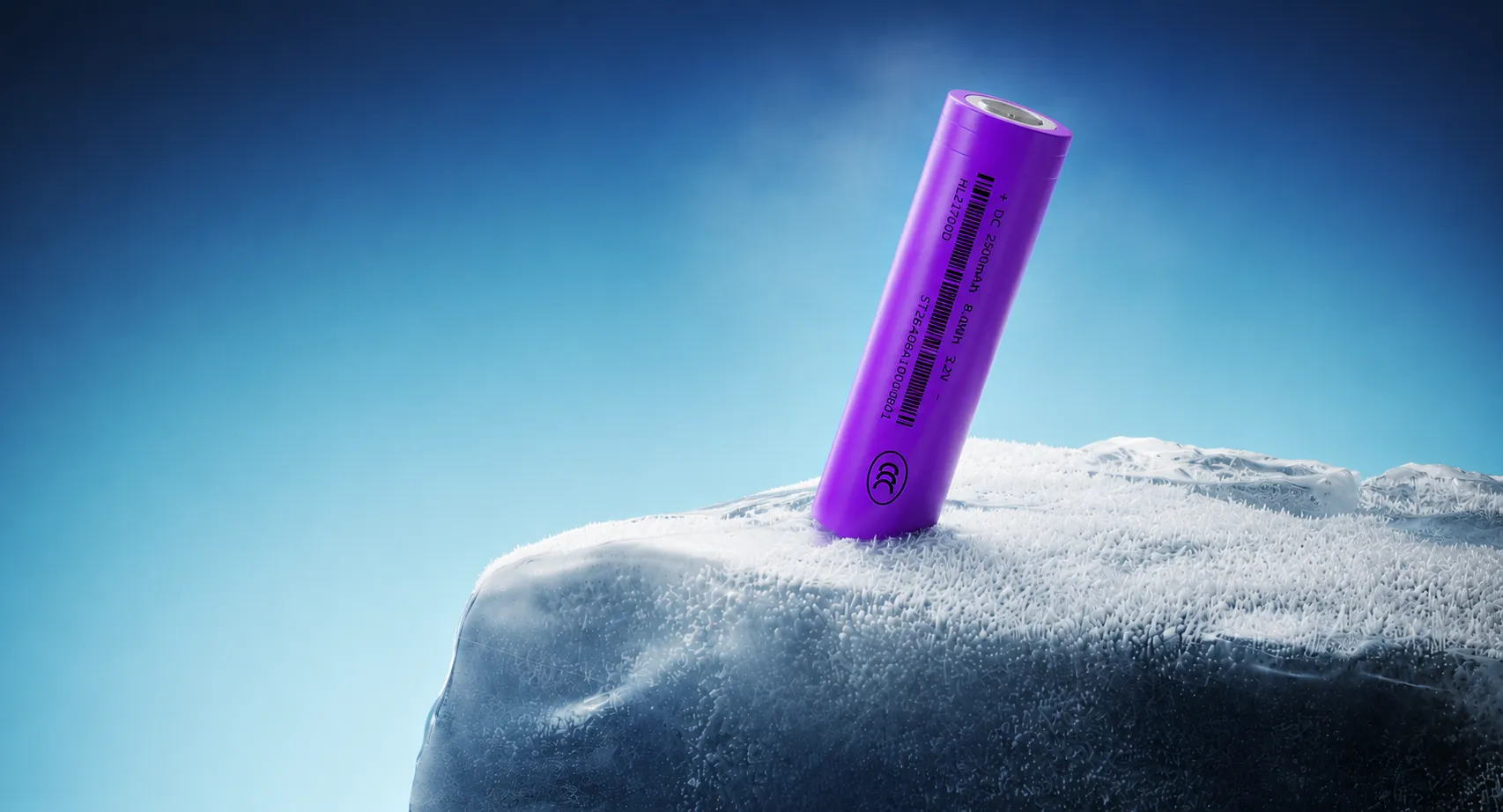
Wide-Temperature Performance
-40°C to +85°C operation
Reliable in extreme environments

Industrial-Grade Durability
Resistant to vibration & stress
Designed for harsh environments

Flexible Integration
Multiple Battery formats available
Custom Battery Pack
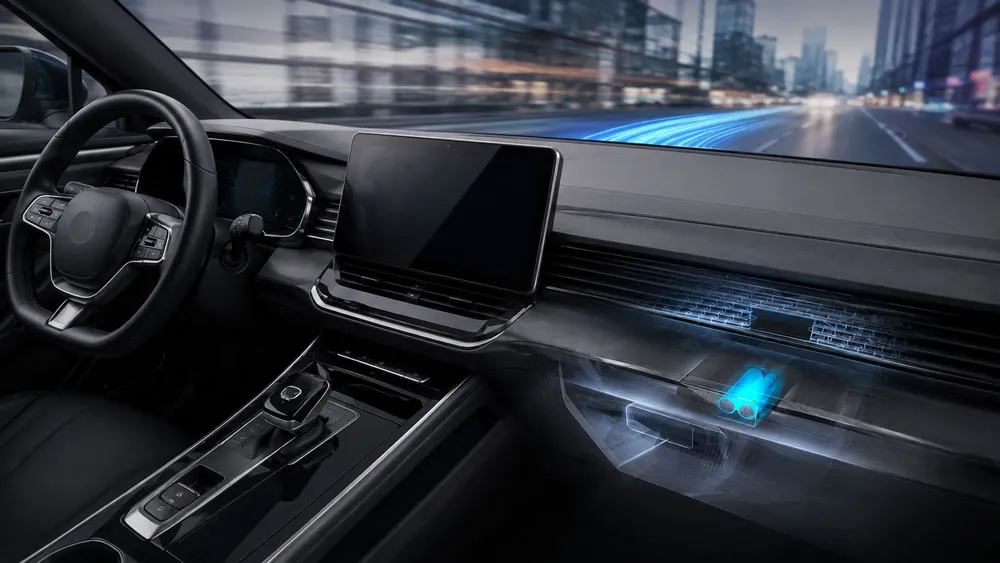
Wide-Temp LiFePO4 Cell Applications

Automotive IoT (eCall / T-Box)
• Stable power from -40°C to +85°C
• Long calendar life (5+ years)
• Supports telematics and embedded systems

Outdoor Surveillance Systems
• Reliable low-temperature discharge performance
• Long service life for unattended systems
• Stable operation in harsh outdoor environments
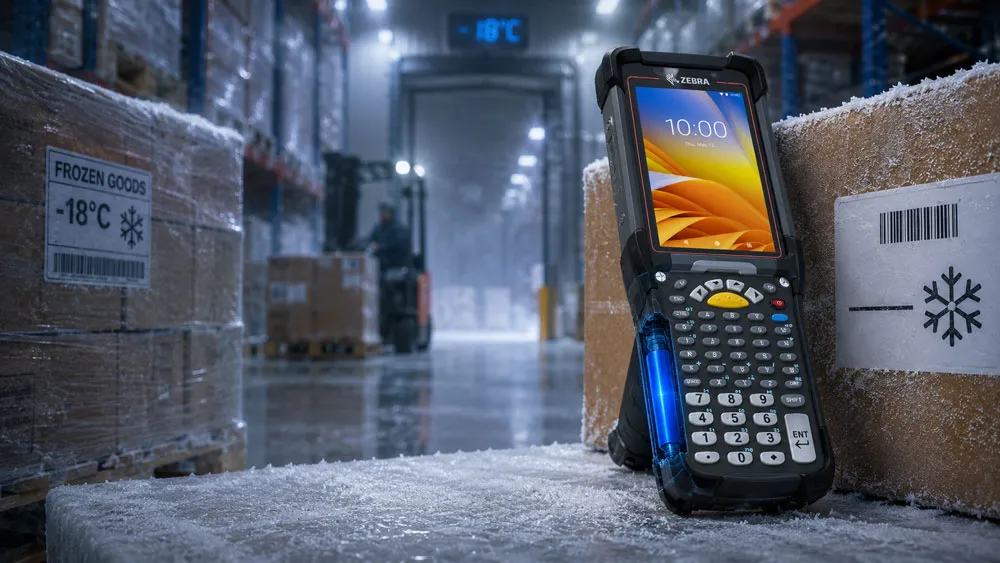
Industrial Handheld Devices
• High discharge capability (up to 30A)
• Stable performance under heavy load
• Long cycle life for frequent usage
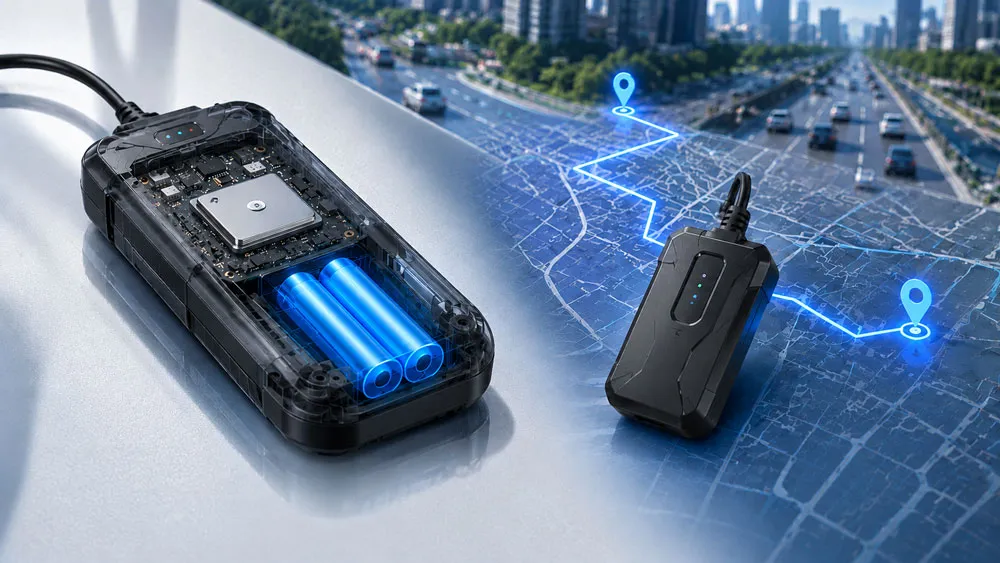
GPS Tracking Devices
• Excellent low-temperature performance
• Long calendar life (5+ years)
• Reliable operation for remote IoT deployments
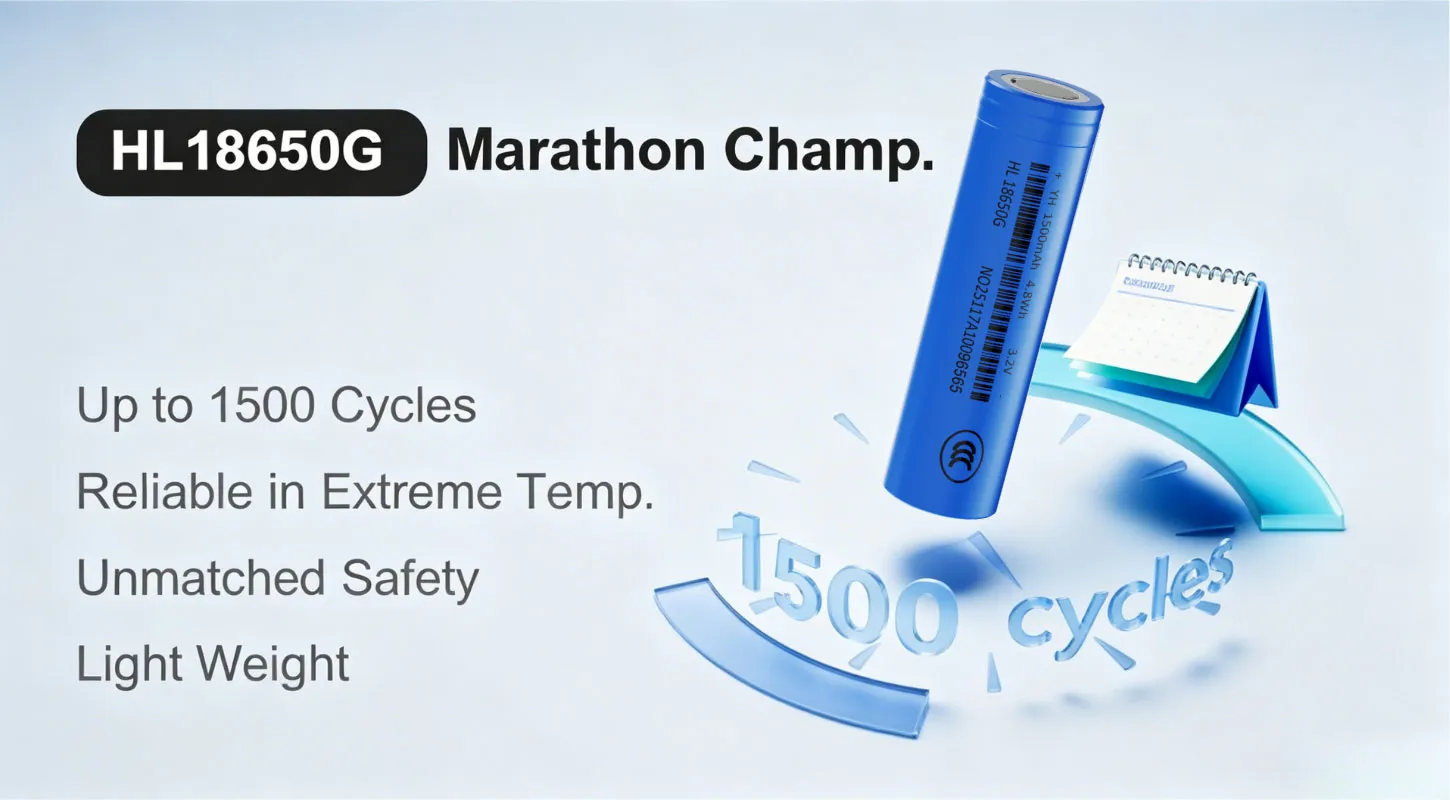
Explore Our LiFePO4 Cylindrical Cell
- Proven reliability across diverse applications
- Suitable for IoT devices, surveillance systems, and general industrial use
- Balanced performance in capacity, size, and cost
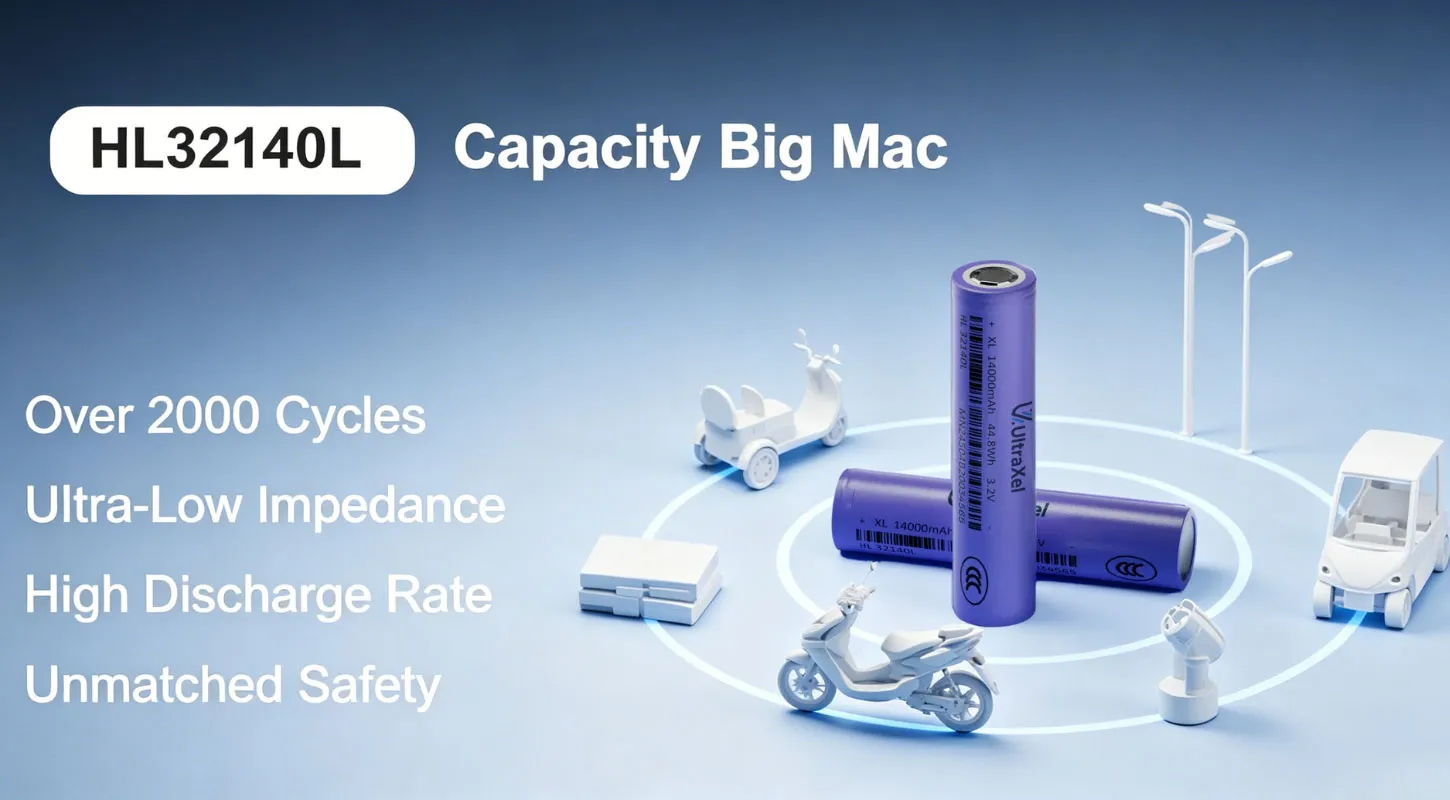
Optimal Balance of Size and Energy Density
-
Higher capacity than 18650 with improved efficiency
-
Ideal for applications requiring longer runtime
-
Excellent choice for compact yet high-performance systems
Ultra-High Capacity for Cost-Effective Systems
-
Large single-cell capacity reduces battery pack complexity
-
Lowers overall system cost and improves efficiency
-
Suitable for energy systems and heavy-duty industrial applications
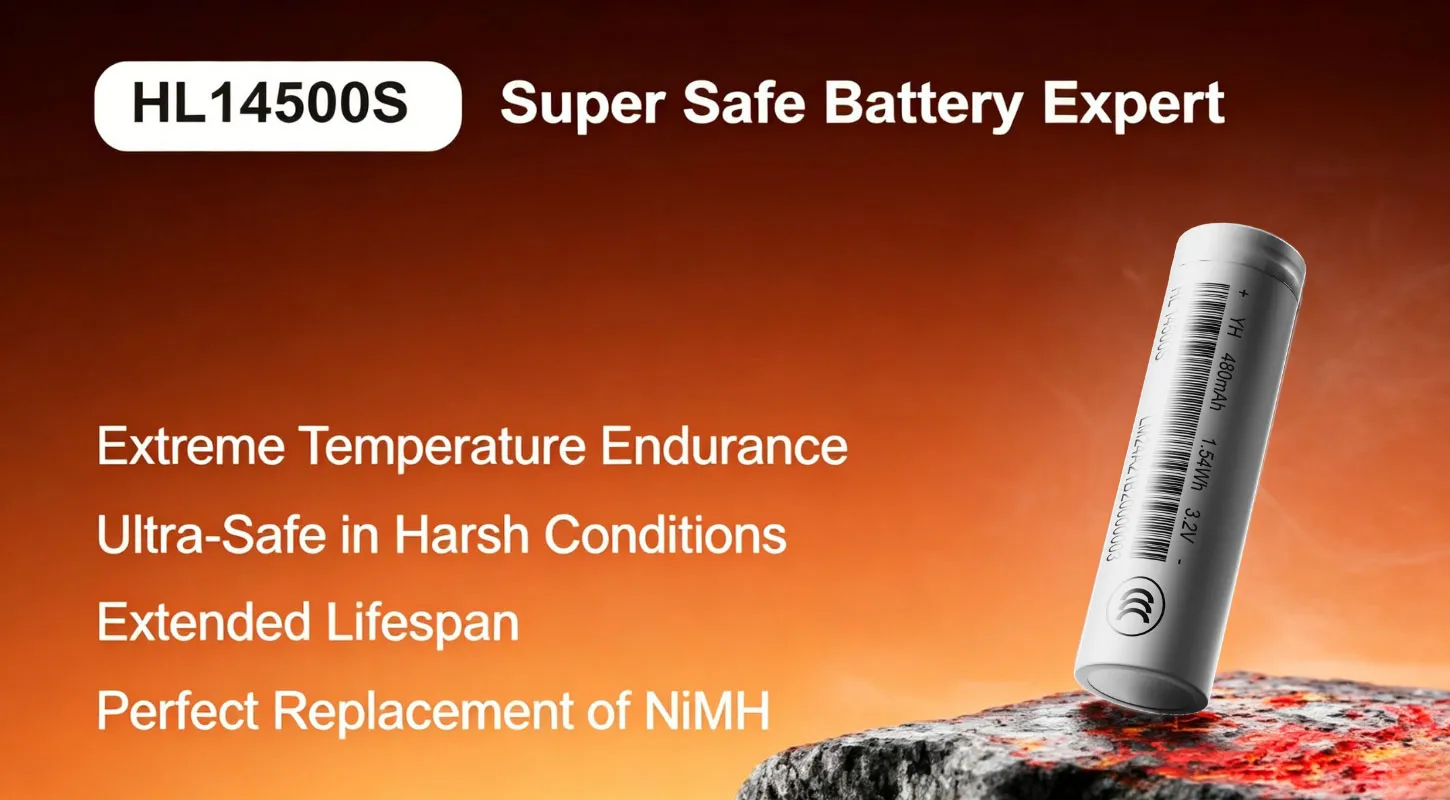
Compact Size for Lightweight Devices
-
Smallest cylindrical format for space-constrained designs
-
Ideal for compact and portable IoT applications
-
Suitable for sensors, wearable devices, and small electronics
Standard Cells vs Wide-Temperature Cells
| Feature | UltraXel Wide-Temperature LiFePO4 Cells | Standard Li-ion Cells |
| Operating Temperature | -40°C to +85°C | Limited range |
| Low-Temperature Performance | Stable discharge at low temperatures | Capacity loss, unstable output |
| High-Temperature Stability | Reliable operation under heat | Performance degradation |
| Safety | High (LiFePO4 chemistry) | Moderate |
| Application Scope | Outdoor, industrial, harsh environments | Indoor / controlled environments |
LiFePO4 vs NCM Cylindrical Cells
| Feature | LiFePO4 Cylindrical Cells | NCM Cylindrical Cells |
| Nominal Voltage | 3.2V | 3.6V |
| Energy Density | Medium | High |
| Cycle Life | Long (2000+ cycles) | Moderate (800–1500 cycles) |
| Safety | Very High | High |
| Cost | Lower | Higher |
| Thermal Stability | Excellent | Good |
| High-Temperature Performance | Strong stability | Good adaptability |
| Low-Temperature Performance | Good (optimized wide-temp solutions available) | Better low-temp adaptability |
| Discharge Capability | High | High |
| Typical Applications | Industrial, IoT, energy systems | EVs, consumer electronics, compact devices |
When to Choose LiFePO4 Cylindrical Cells
-
Long cycle life
-
High safety and thermal stability
-
Lower overall system cost
-
Industrial and outdoor reliability
-
Energy storage and IoT systems
When to Choose NCM Cylindrical Cells
-
Higher energy density
-
Compact and lightweight designs
-
Better high- and low-temperature adaptability
-
Longer runtime in limited space
UltraXel Solution Advantage
| Application | Recommended Chemistry | Why |
| eCall / T-Box Systems | LFP / NCM | Requires stable power and temperature adaptability |
| Outdoor Surveillance Cameras | LFP / NCM | High safety and long-term outdoor reliability |
| GPS Tracking Devices | NCM | deployment for Low temp |
| Industrial Handheld Devices | NCM | High discharge capability and portable design |
| Remote IoT Sensors | LFP | Stable operation in harsh environments |
| Outdoor Infrastructure Equipment | LFP | Excellent thermal stability and durability |
| Portable Compact Devices | NCM | Higher energy density in limited space |
| High-Energy Portable Systems | NCM | Lightweight design with longer runtime |
FAQ — LiFePO4 Cylindrical Cells
What are LiFePO4 cylindrical cells?
What is the difference between cylindrical and prismatic LiFePO4 cells?
What are the advantages of LiFePO4 cylindrical cells?
-
High safety and thermal stability
-
Long cycle life (2000+ cycles)
-
Stable 3.2V output platform
-
Excellent reliability for industrial applications
-
Better consistency in mass production
-
Suitable for harsh environments and outdoor systems
Which is safer, LiFePO4 or other lithium-ion batteries?
Can a LiFePO4 battery last 20 years?
-
2000–5000+ charge cycles
-
5–15+ years of operational lifespan
-
Actual lifespan depends on temperature, charging conditions, and application environment.
What are common LiFePO4 charging mistakes?
-
Using incompatible chargers
-
Overcharging the battery
-
Charging below recommended temperatures
-
Ignoring BMS protection requirements
-
Using incorrect charging voltage settings
Are LiFePO4 cylindrical cells suitable for extreme temperatures?
What applications are LiFePO4 cylindrical cells commonly used for?
-
Automotive IoT systems (eCall / T-Box)
-
GPS tracking devices
-
Outdoor surveillance cameras
-
Industrial handheld devices
-
Remote IoT sensors
-
Energy storage systems
-
Outdoor infrastructure equipment