What Are NCM Battery Cells?

Reliable Wide-Temperature Performance
Optimized for harsh environments:-40℃~+85℃

Compact & Lightweight
Ideal for portable and space-constrained systems

High Power Output
Supports high-drain applications

Stable Cylindrical Structure
Better consistency and heat dissipation

High Energy Density
More energy in a compact cylindrical format

Industrial-Grade Quality
Designed for continuous industrial operation
Wide Temperatue NCM Battery Cell
Standard vs UltraXel Wide-Temperature NCM Cells
| Feature | UltraXel Wide-Temperature NCM Cells | Standard NCM Cells |
| Operating Temperature | -40°C to +85°C | Limited |
| Low-Temperature Performance | Stable discharge | Reduced output |
| High-Temperature Stability | Enhanced stability | Faster degradation |
| Outdoor Reliability | Industrial-grade | Moderate |
| Application Scope | Industrial & IoT | Consumer electronics |
Applications of NCM Cylindrical Cells

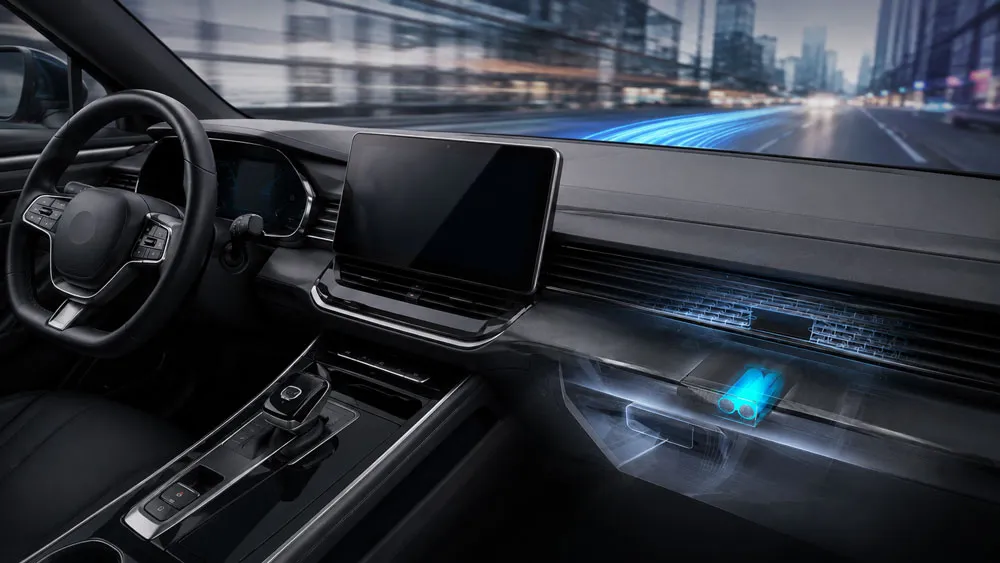
Automotive IoT
eCall and T-Box systems requiring stable power and compact design.
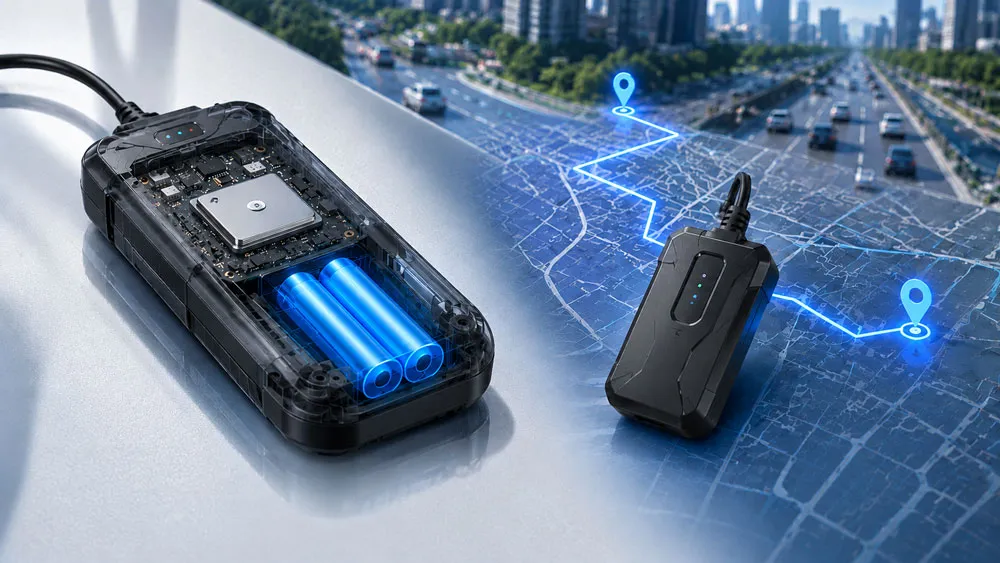
GPS Tracking Devices
Reliable positioning and long-runtime tracking applications.

Outdoor Surveillance
Wireless monitoring systems operating in outdoor environments.
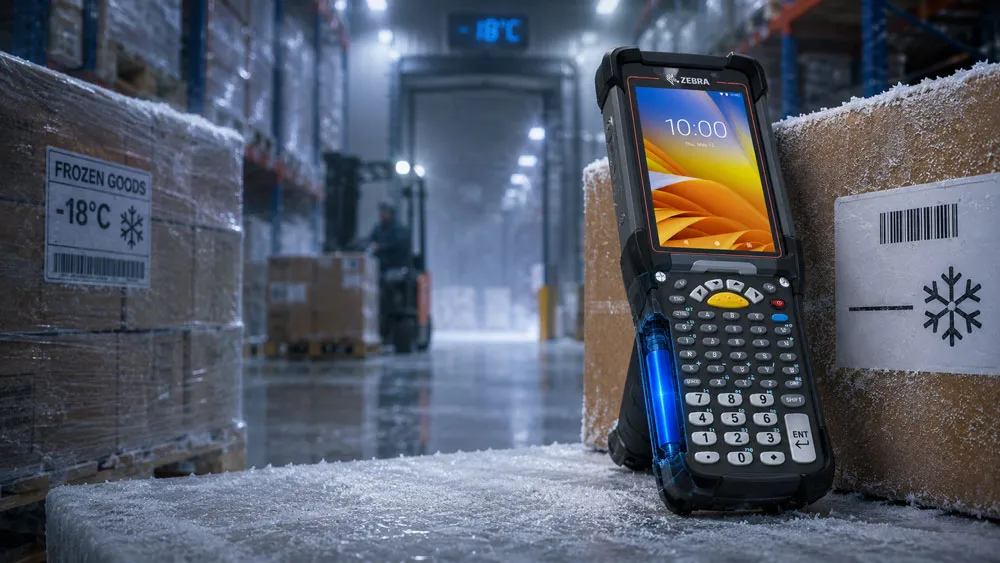
Industrial Handheld Devices
High-drain portable terminals and rugged handheld systems.
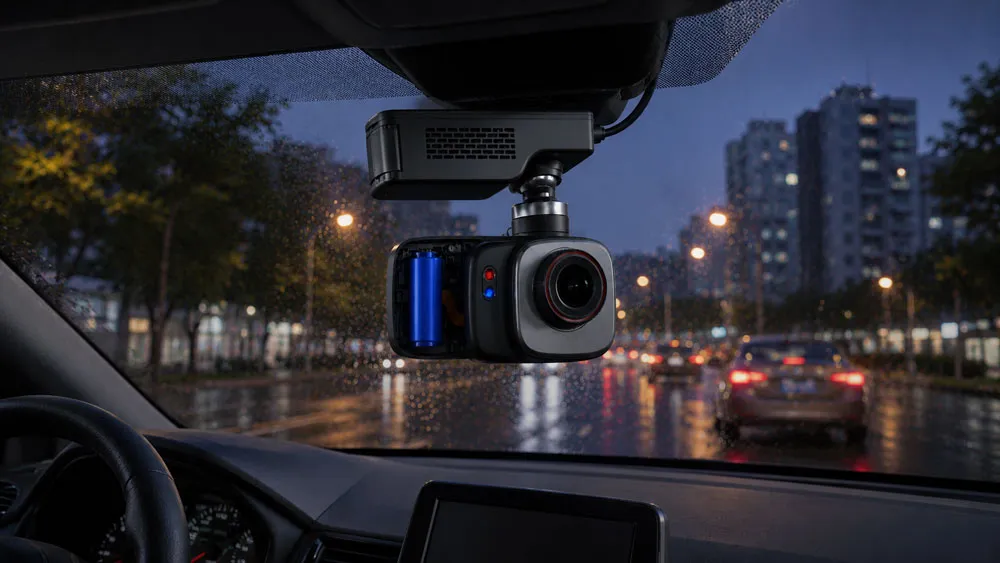
Remote IoT Equipment
Outdoor sensors and remote monitoring systems in harsh environments.

Explore Our NCM Cylindrical Cell Formats
| Cell Format | Key Advantages | Typical Applications |
| 14500 NCM Cell | Compact size, lightweight, ideal for space-constrained devices | IoT sensors, smart locks, portable electronics |
| 18650 NCM Cell | Balanced energy density, discharge capability, and reliability | Automotive IoT, GPS trackers, dash cameras, industrial handhelds, outdoor surveillance |
| 21700 NCM Cell | Higher energy density and longer runtime for high-power systems | Power tool, outdoor surveillance, portable power systems |
NCM vs LiFePO4 Cylindrical Cells
| Feature | LiFePO4 Cylindrical Cells | NCM Cylindrical Cells |
| Nominal Voltage | 3.2V | 3.6V |
| Energy Density | Medium | High |
| Cycle Life | Long (2000+ cycles) | Moderate (800–1500 cycles) |
| Safety | Very High | High |
| Cost | Lower | Higher |
| Thermal Stability | Excellent | Good |
| High-Temperature Performance | Strong stability | Good adaptability |
| Low-Temperature Performance | Good (optimized wide-temp solutions available) | Better low-temp adaptability |
| Discharge Capability | High | High |
| Typical Applications | Industrial, IoT, energy systems | EVs, consumer electronics, compact devices |
Why Choose NCM Cylindrical Cells?
- Higher energy density in limited space
- Lightweight portable designs
- Longer runtime for mobile devices
- Strong low-temperature adaptability
- Stable performance in industrial and outdoor environments
Why Choose UltraXel?

5-Year Wide-Temperature Stability
Reliable operation from -40°C to +85°C ,supporting float charging and long-term standby.

100% Industrial & Automotive-Grade Reliability
ISO & IATF16949 certified, decades of R&D expertise, validated under extreme conditions, zero safety incidents, proven in overseas automotive applications.

Custom Battery Solutions
14500 / 18650 / 21700 / 32140 cells/packs, LFP & NCM, tailored to power and form factor needs.
28+ Years of Advanced Technology
Cutting-edge materials, design, and production optimized for extreme environments and real-world applications.
FAQ — NCM Cylindrical Cells
What is an NCM battery?
Is NCM the same as lithium-ion?
- NCM (Nickel Cobalt Manganese)
- LiFePO4 (LFP)
- NCA
- LCO
What are the advantages of NCM cylindrical cells?
- High energy density
- Compact and lightweight design
- Strong discharge capability
- Longer runtime in portable devices
- Good low-temperature performance
- Stable cylindrical structure for industrial applications
Which is better, NCM or LiFePO4?
- High energy density
- Lightweight portable devices
- Compact systems
- Applications requiring longer runtime
- High safety requirements
- Long cycle life
- Energy storage systems
- Harsh industrial environments
Are NCM batteries suitable for low-temperature environments?
What applications use NCM cylindrical cells?
- Automotive IoT systems
- GPS tracking devices
- Dash cameras
- Industrial handheld terminals
- Portable power systems
- Outdoor monitoring equipment
- High-energy compact devices
Are NCM cylindrical cells safe?
Why choose cylindrical NCM cells instead of prismatic cells?
- Better manufacturing consistency
- Improved heat dissipation
- Higher mechanical stability
- Mature automated production processes