




Wide-Temperature IoT Battery Solutions
Rechargeable lithium-ion cells and custom battery packs for industrial, agricultural, tracking, smart city, and environmental IoT applications.
−40°C to +85°C Discharge | 14500–32140 Cells | Custom IoT Battery Packs
What Is an IoT Battery?
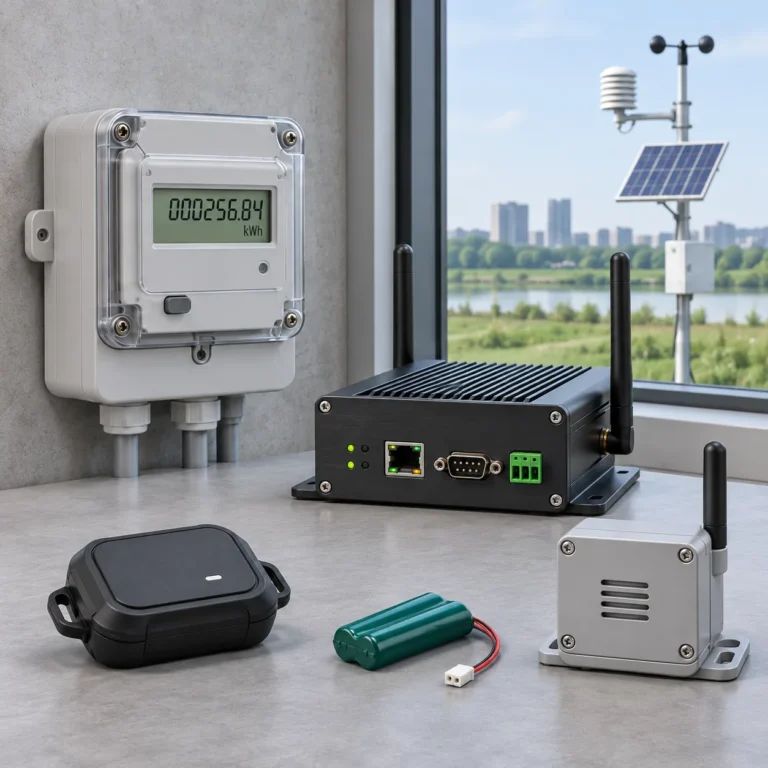
An IoT battery powers connected devices such as industrial sensors, asset trackers, smart meters, and remote monitoring systems. It can serve as the main power source, store energy from solar charging, or provide backup power. Battery selection depends on operating temperature, power demand, runtime, and installation space.
IoT Battery Applications
Explore wide-temperature lithium-ion battery solutions for industrial IoT, smart agriculture, asset tracking, smart city infrastructure, and environmental monitoring.
Industrial IoT Battery
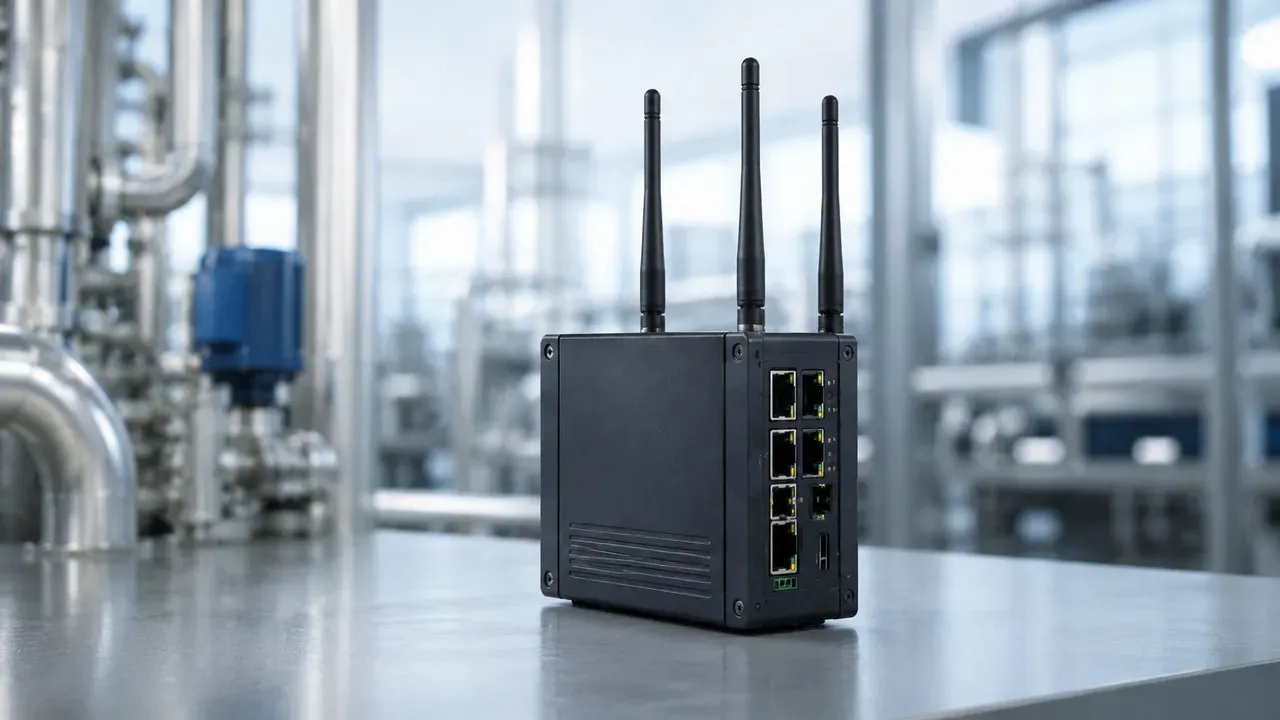
Wide-temperature battery solutions for industrial sensors, wireless gateways, data loggers, and remote monitoring equipment operating in demanding environments.
Agriculture IoT Battery
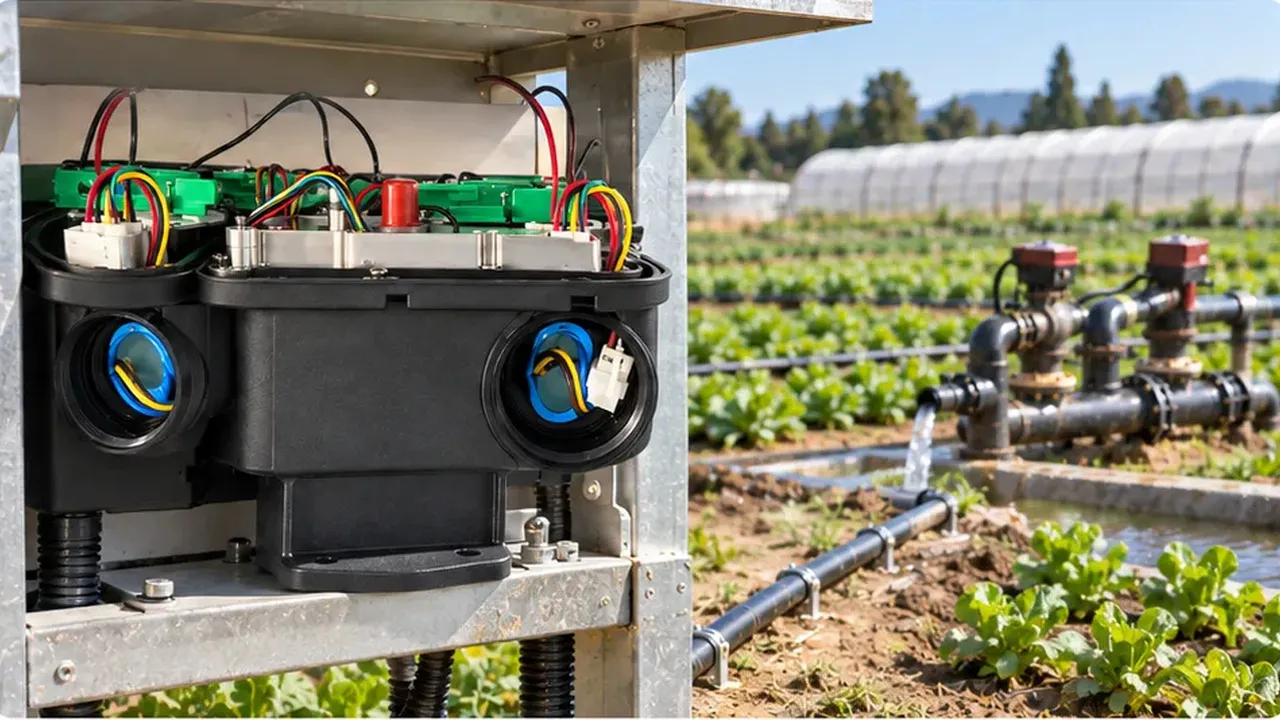
Rechargeable batteries for soil sensors, irrigation controllers, and agricultural monitoring systems exposed to seasonal temperature changes and outdoor conditions.
Asset Tracking Battery
Reliable battery power for GPS trackers, logistics monitoring, and cold chain tracking devices requiring consistent performance across changing temperatures.
Smart City IoT Battery
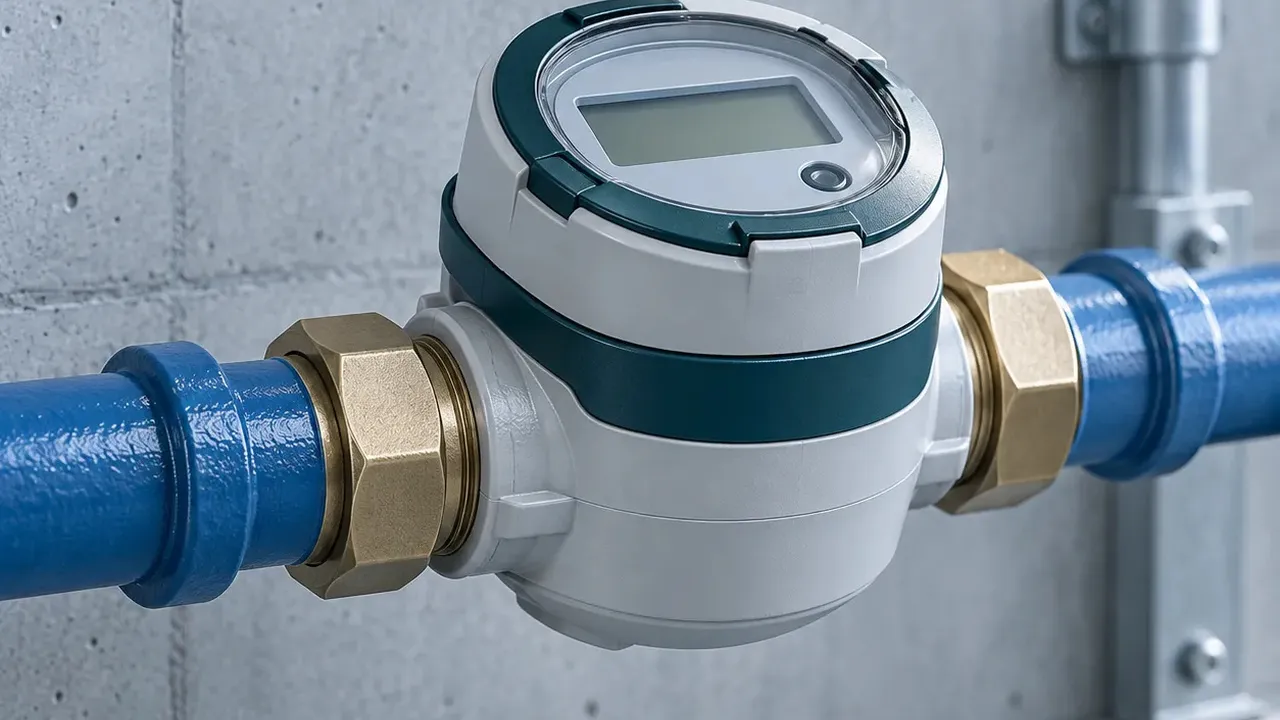
Battery solutions for smart meters, parking sensors, and connected infrastructure, supporting remote data collection and backup power requirements.
Environmental Monitoring Battery
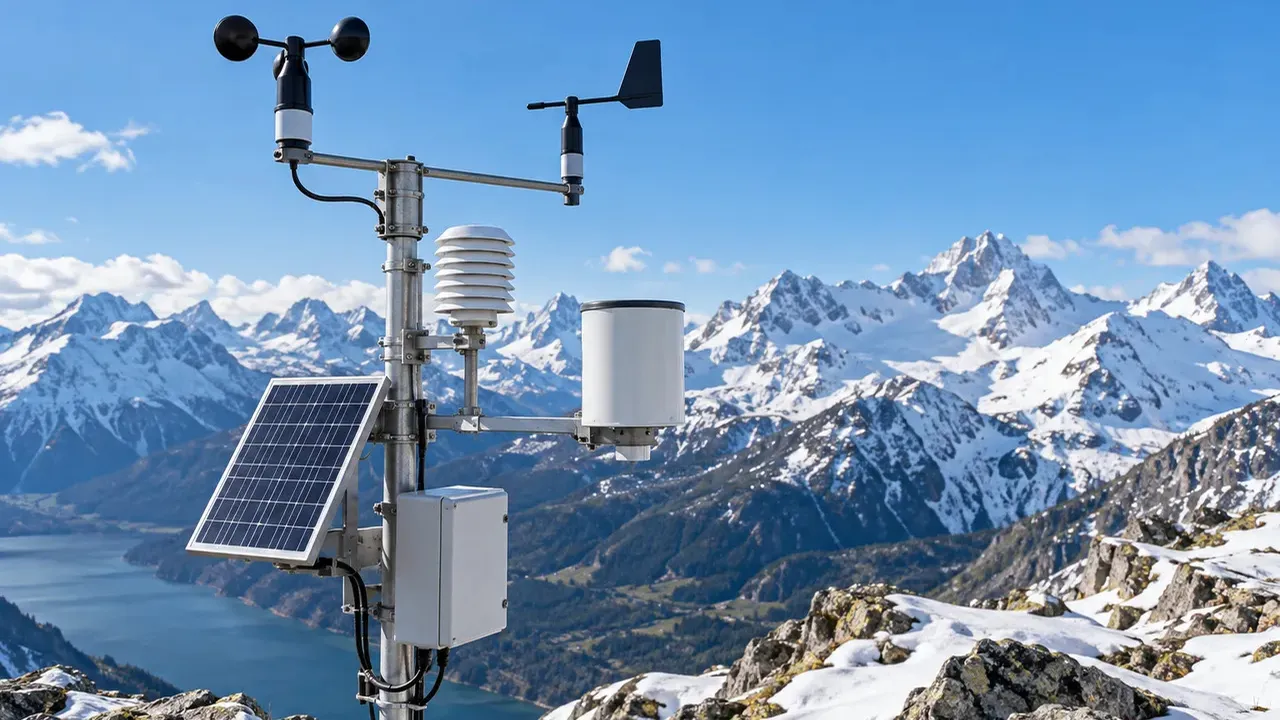
Wide-temperature batteries for weather stations, air quality sensors, and water monitoring devices deployed in remote outdoor environments.
Key Battery Requirements for IoT Devices
Explore wide-temperature lithium-ion battery solutions for industrial IoT, smart agriculture, asset tracking, smart city infrastructure, and environmental monitoring.
Wide-Temperature Discharge
Outdoor and industrial IoT devices may operate in freezing conditions or prolonged heat. Selected UltraXel cells support discharge from −40°C to +85°C. Charging temperature limits depend on the cell model.
Long Runtime & Service Life
Remote devices need enough usable capacity between charges and as the battery ages. UltraXel also has experience designing automotive backup batteries for a 5+ year service life target. For IoT projects, service life is evaluated against the device’s temperature exposure, operating cycle, and charging conditions.
Stable Power During Data Transmission
Trackers and wireless sensors can draw brief bursts of current when they wake up to locate an asset or send data. UltraXel evaluates cell and pack options against your device’s peak current, pulse duration, and minimum operating voltage, including under cold conditions.
Multiple Cell Sizes & Capacities
UltraXel offers rechargeable lithium-ion cells in 14500, 18650, 21700, and 32140 formats. Select from different capacities and discharge ratings, or configure a custom battery pack to meet your device’s voltage, runtime, and installation requirements.
Choose the Right IoT Battery
Explore UltraXel’s wide-temperature lithium-ion cells for different device sizes, runtime needs, operating temperatures, and power requirements. All listed models support discharge from −40°C to +85°C.
Compact IoT Devices
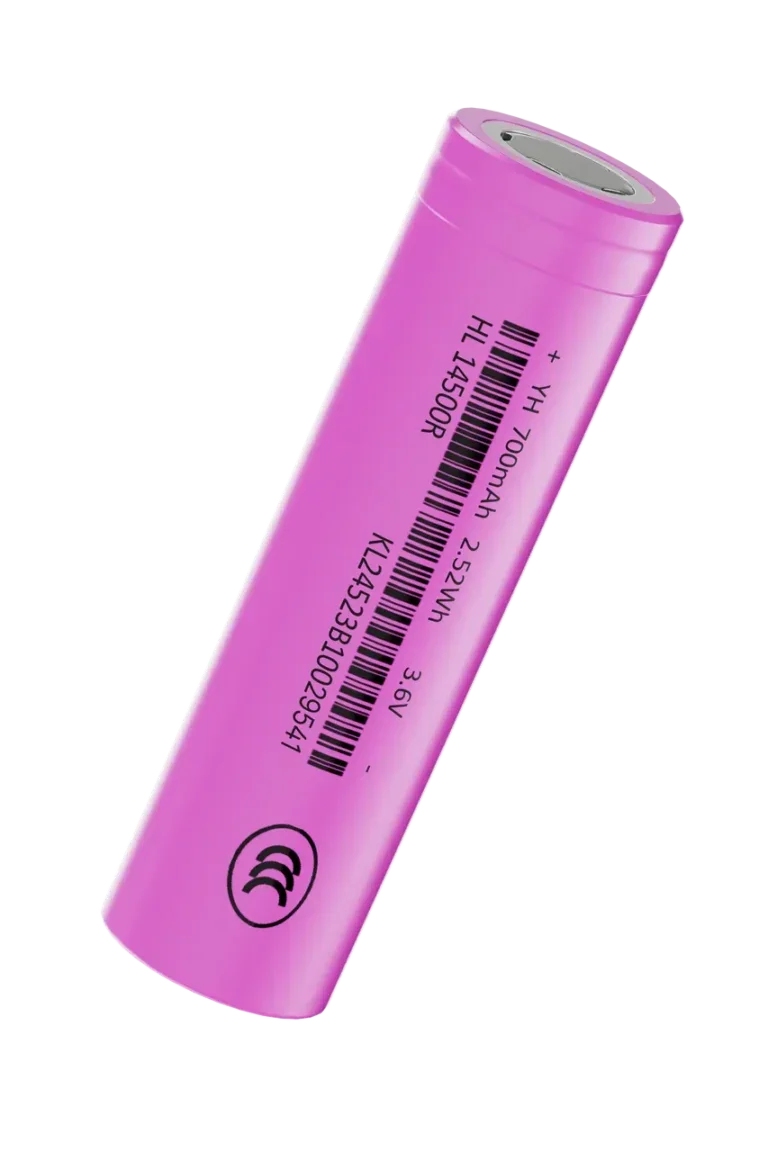
HL14500R | 750 mAh | NCM
Compact wide-temperature power for space-constrained devices.
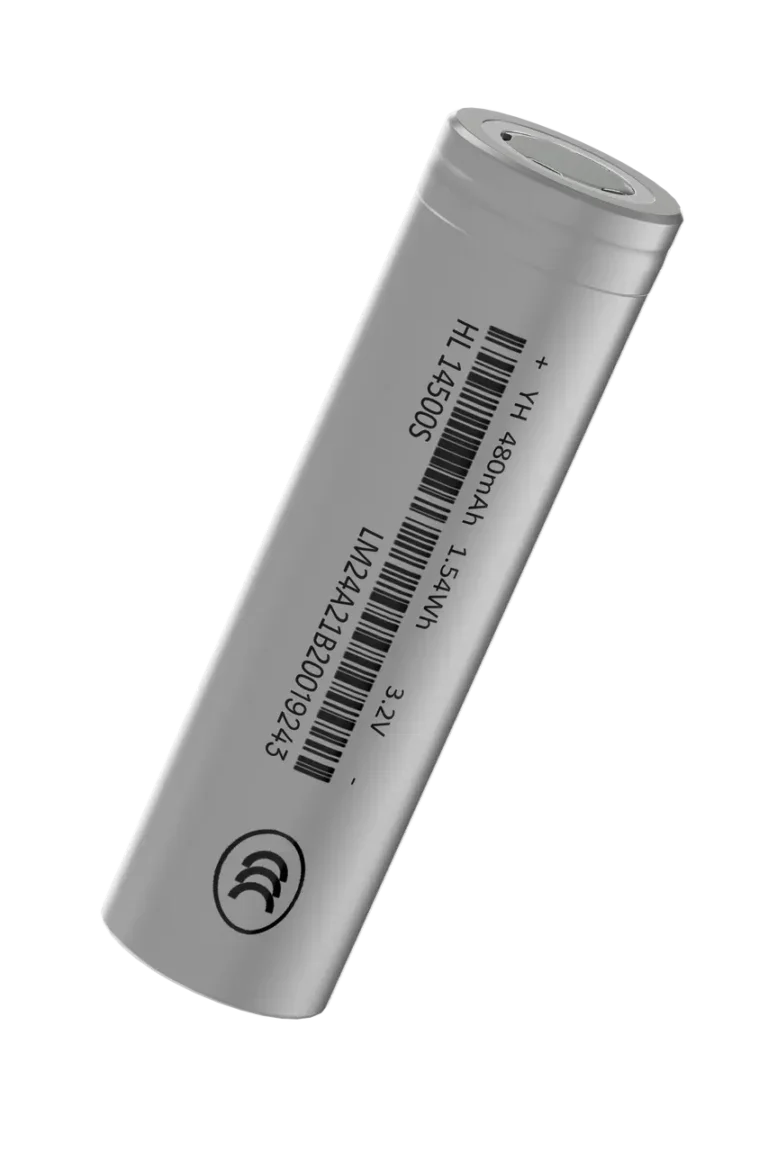
HL14500S | 500 mAh | LiFePO₄
Compact LiFePO₄ cell designed for repeated charge and discharge cycles.
Extended Runtime
HL18650V | 2,900 mAh | NCM
Strong low-temperature capacity retention for reliable operation in cold conditions.
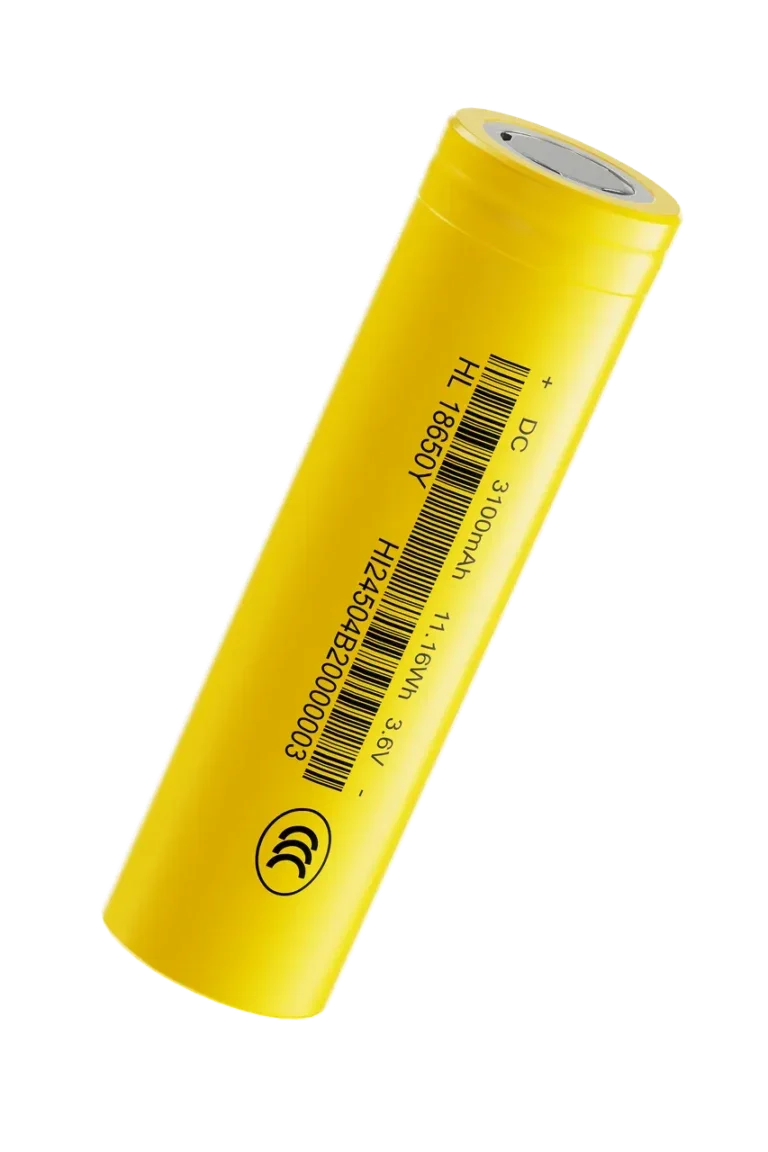
HL18650Y | 3,200 mAh | NCM
Higher capacity for IoT devices requiring longer runtime between charges.
High-Temperature Standby
HL18650T | 2,000 mAh | NCM
High-temperature standby reliability supported by aging test data.
Long Cycle Life
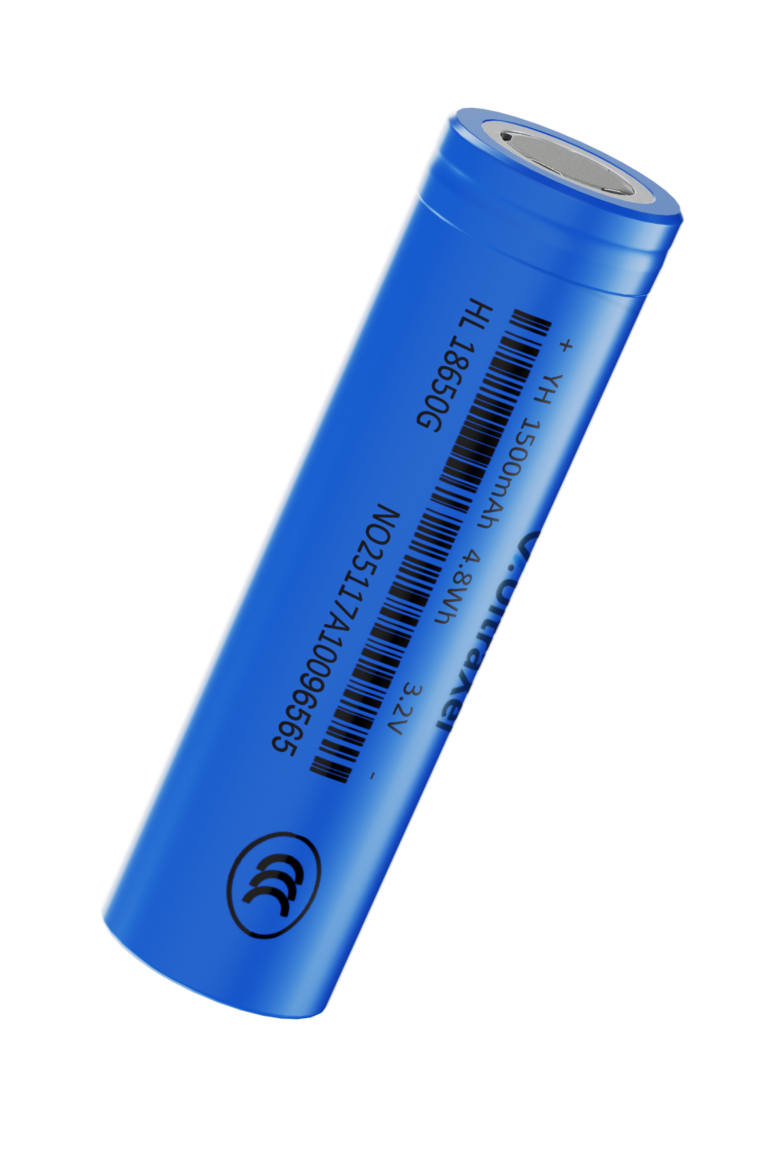
HL18650G | 1,600 mAh | LiFePO₄
LiFePO₄ cell with over 1,500 cycles demonstrated in testing.
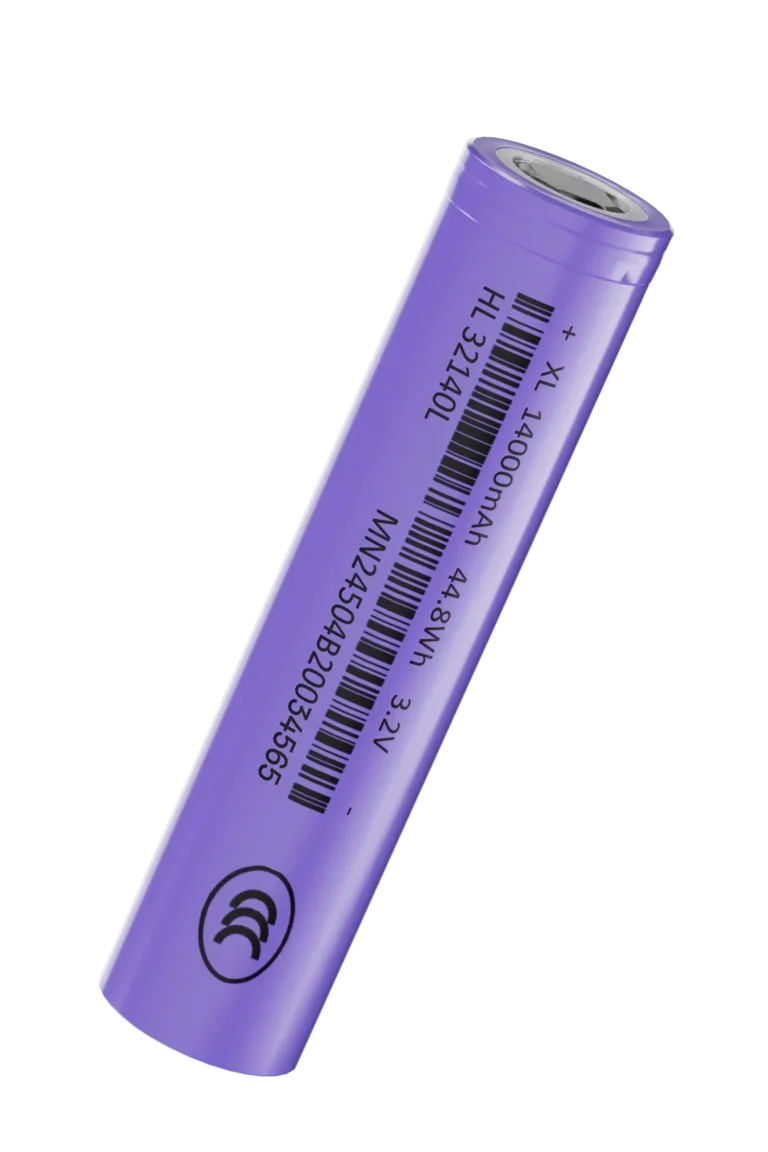
HL32140L | 15 Ah | LiFePO₄
Large-capacity LiFePO₄ cell for higher-energy rechargeable systems.
High Discharge Current
HL18650F | 3,000 mAh | NCM
Up to 30 A discharge capability for demanding power loads.
Custom IoT Battery Pack Solutions
Custom battery packs built with UltraXel wide-temperature cells, designed to meet your device’s power, protection, and integration requirements.
Cell Selection
14500 / 18650 / 21700 / 32140, NCM & LiFePO₄
Voltage & Capacity
Custom series and parallel configurations
PCM/BMS Protection
Electrical protection, NTC sensing & charging controls
Pack Integration
Custom dimensions, wiring, connectors & validation
IoT Battery Pack Examples
Custom rechargeable battery packs for smart meters, data loggers, and agriculture gateways.
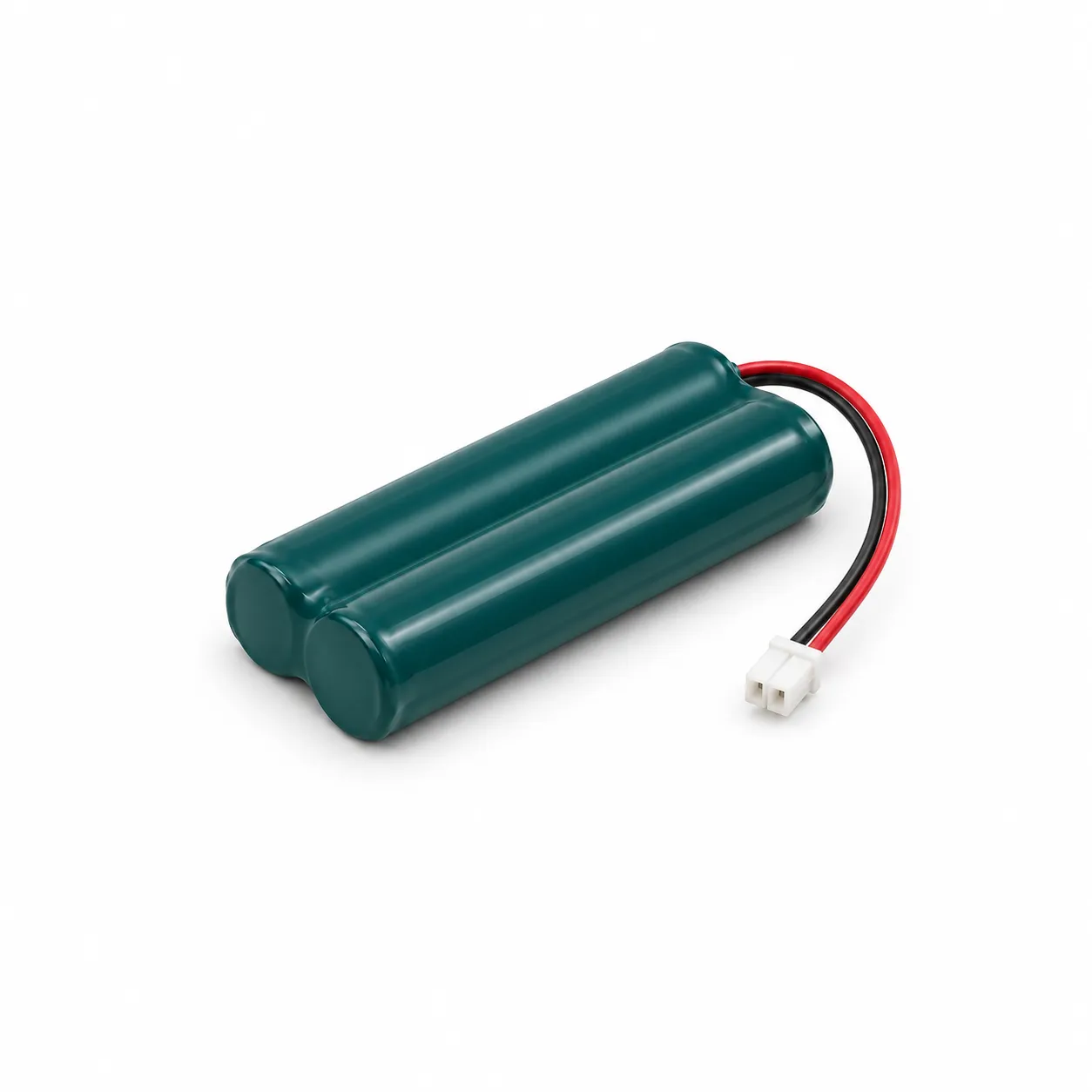
Smart Water Meter Battery Pack
HL18650V · 1S2P · 3.6 V · 5,800 mAh
For remote meter readings and wireless data transmission.
- Low-temperature performance
- Capacity for metering and reporting
- Custom protection and connectors
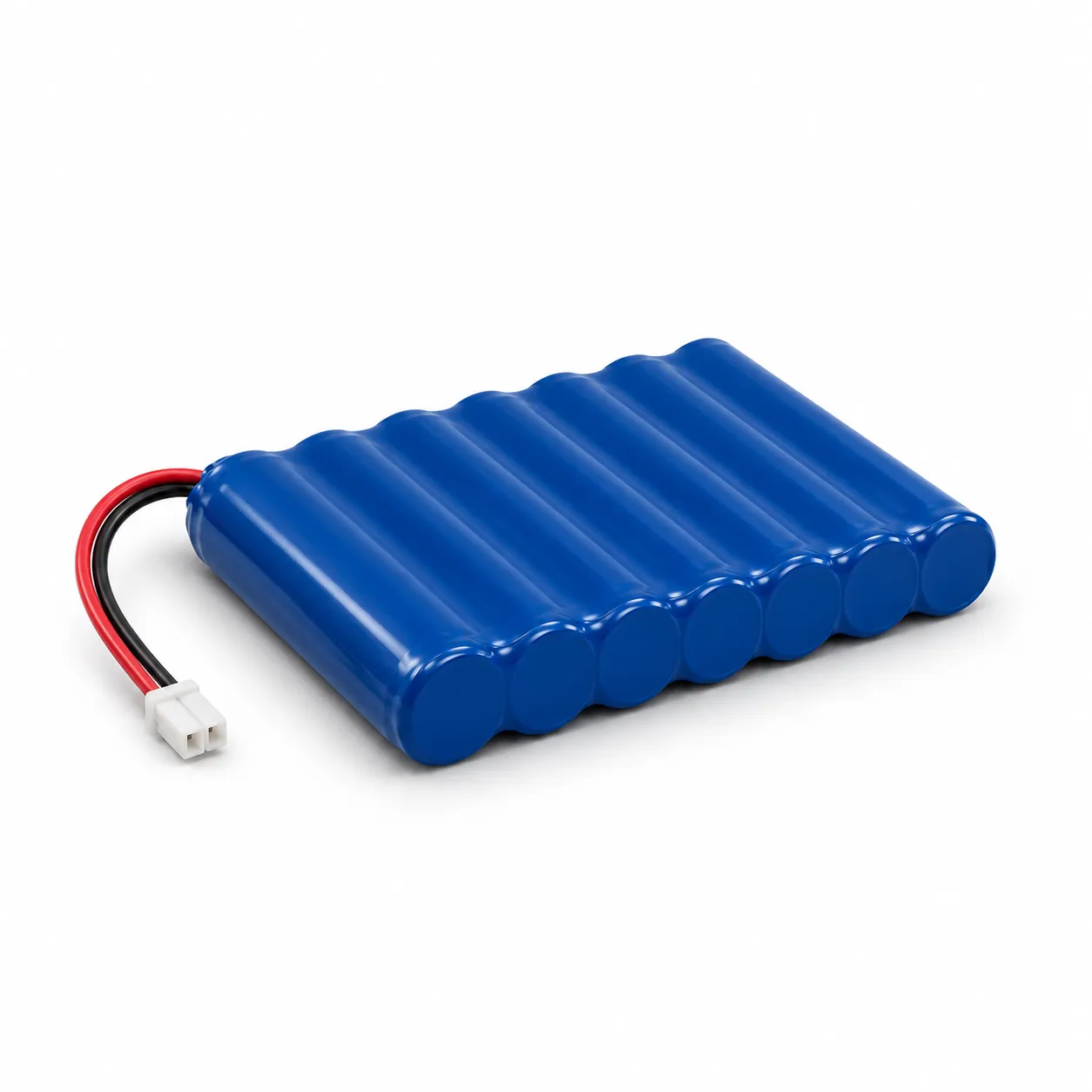
Solar Data Logger Battery Pack
HL18650Y · 1S7P · 3.6 V · 22,400 mAh
For outdoor solar data collection and gateway communication.
- High capacity for extended runtime
- Power between solar charging periods
- Fewer on-site maintenance visits
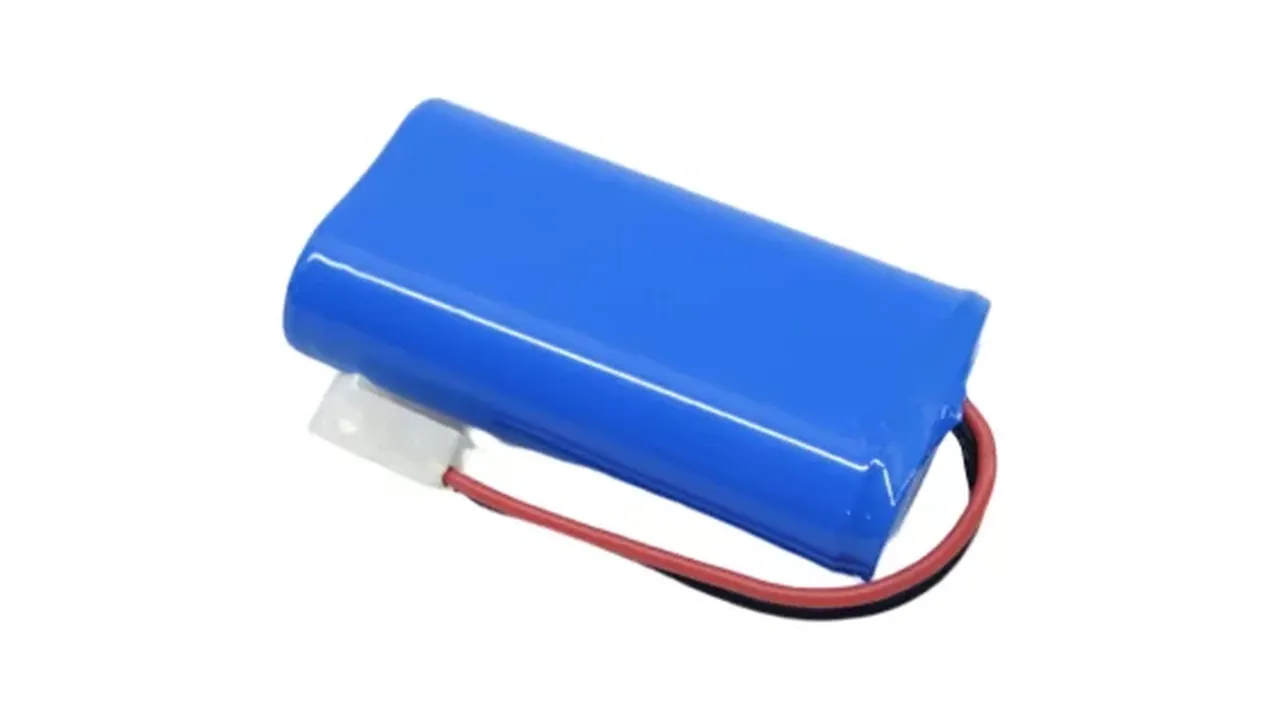
Smart Agriculture Gateway Battery Pack
HL18650V · 1S2P · 5,800 mAh · Up to 6 A Discharge
For field data collection, remote communication, and irrigation control.
- −40°C to +85°C discharge
- Supports communication peaks
- Compact two-cell configuration
Why Choose UltraXel for Cold Chain IoT Batteries?

In-House Cell Manufacturing
Wide Temperature 14500, 18650, 21700, and 32140 cells for different device requirements.

Quality & Certification Support
ISO 9001 quality management, applicable UN38.3 documents, and project-specific IEC, UL, or CB support.

Application-Based Validation
Test data for low-temperature output, runtime, and performance after heat aging.

Sample Testing Support
Cell and pack samples for fit, low-temperature discharge, peak-load, and runtime testing.
Customize loT Battery Project
What We Offer

Battery Cell Selection
14500, 18650, 21700 and 32140 options.

Custom Battery Packs
Custom voltage, capacity, BMS and connectors.

Application Matching
Solutions matched to load, temperature and space.
FAQ
What type of battery is suitable for IoT devices?
The right battery depends on power consumption, temperature, available space, and access to charging. Primary lithium batteries are an option for low-power devices with long replacement intervals. Rechargeable lithium-ion and LiFePO₄ batteries suit devices with wired or solar charging, repeated use, or backup power requirements.
Can IoT batteries operate from −40°C to +85°C?
UltraXel cells support discharge from −40°C to +85°C. Usable capacity and voltage under load vary with temperature, discharge current, and cell model. Charging limits are specified separately and should be checked against the selected cell’s specifications.
How long does an IoT battery last?
Runtime between charges depends on usable capacity, sleep current, sensing activity, and data reporting frequency. Overall service life also depends on temperature exposure, charging conditions, and battery aging. Share your device’s load profile and runtime target to help us evaluate a suitable configuration.
Why does peak current matter for IoT battery selection?
GPS positioning, wireless transmission, and device startup can create brief current peaks. The battery must keep its voltage above the device’s minimum operating threshold during these events. Verify this under the expected temperature range and at a low state of charge.
Can rechargeable batteries be used in solar-powered IoT devices?
Yes. Rechargeable battery packs can store solar energy for use at night or during low-light periods. Selection should account for daily energy consumption, seasonal solar input, required runtime without sunlight, and permitted charging temperatures.
Can UltraXel provide custom IoT battery packs and samples?
Yes. UltraXel supports custom voltage, capacity, pack layout, protection circuitry, NTC sensing, wiring, and connectors. Cell and battery pack samples are available for evaluation. Share your operating voltage, current profile, temperature range, runtime target, and available space to discuss a solution.