
Choosing the right battery for your device or system is critical, especially in applications that involve low temperatureconditions. Nickel-Metal Hydride (Ni-MH) and Lithium-Ion (Li-ion) batteries are two of the most widely used rechargeable chemistries. Understanding their differences in energy density, cycle life, self-discharge, and temperature tolerance is key to making an informed decision.
In this guide, we will compare low-temperature Ni-MH batteries and Li-ion batteries, then introduce UltraXel wide-temperature lithium-ion batteries—designed to cover almost all applications that Ni-MH batteries serve, while offering extended temperature range and industrial reliability.
What Are Ni-MH Batteries?
Nickel-Metal Hydride (Ni-MH) batteries are rechargeable batteries that replaced older Ni-Cd (nickel-cadmium) batteries. They are safer, more eco-friendly, and widely used in household and moderate low-temperature applications.

- Voltage & Density: Features a nominal voltage of ~1.2V with an energy density of 60–120 Wh/kg.
- Cycle Life: Typically offers 500–800 cycles, depending on usage.
- Self-Discharge: Standard rates are 10–30% per month, though LSD variants are much lower.
- Temperature Range: Capable of safe operation in cold environments down to -20°C.
- Main Benefits: High chemical stability and available in standard sizes like AA/AAA.
- Key Limitations: Heavier/bulkier packs and shorter lifespan compared to modern lithium solutions.
- Common Applications: Household remotes, clocks, toys, entry-level power tools, and low-power hybrid vehicles.
What Are Li-ion Batteries?
Lithium-ion batteries store energy through the movement of lithium ions between the anode and cathode. They provide high energy density in a compact, lightweight package, making them ideal for high-performance and portable devices.

- Voltage & Density: Operates at 3.2–3.7V per cell with an energy density of 100–300 Wh/kg.
- Cycle Life: Offers a long lifespan ranging from 1,000 to over 5,000 cycles.
- Self-Discharge: Features a low rate of 1–3% per month, ideal for standby and IoT devices.
- Temperature Range: Typical operating range is -20°C to +60°C, depending on chemistry.
- Main Benefits: High energy density for compact, lightweight packs and long-term cost savings.
- Key Limitations: Higher initial cost and requires a BMS for safety and low-temperature charging.
- Common Applications: Consumer electronics, electric mobility, grid-scale and home energy storage, industrial handheld devices.
The Superior Industrial Choice: UltraXel Wide-Temperature Li-ion Batteries
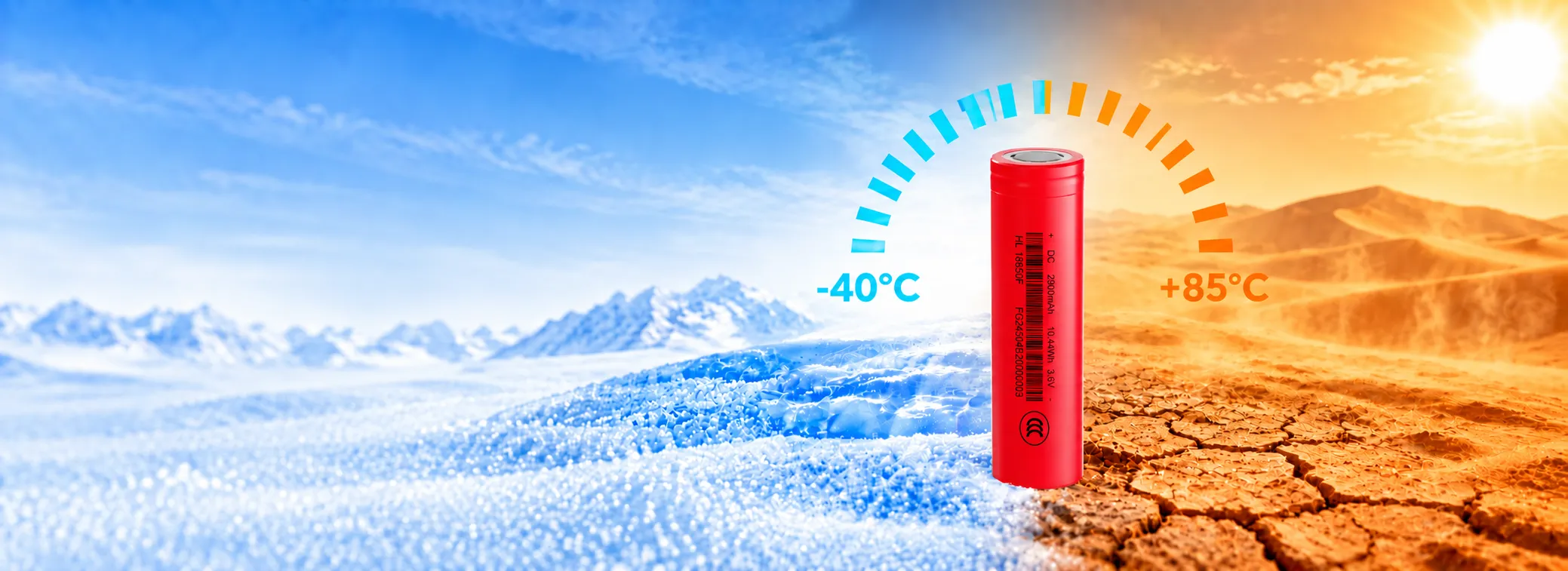
While standard Li-ion already outperforms Ni-MH in most scenarios, UltraXel wide-temperature lithium-ion batteries are engineered for extreme temperatures (-40°C ~ +85°C) and industrial reliability.

Key Advantages of UltraXel Cells
- Wider temperature coverage: -40°C to +85°C for harsh industrial and outdoor environments
- Long cycle life: 1,000–5,000+ cycles depending on type
- Low self-discharge: 1–3% per month
- High energy density: Compact packs suitable for space- and weight-constrained applications
- Flexible form factors: 14500, 18650, 21700, 32140 cells; customizable packs for specific devices
Practical Implication: UltraXel wide-temperature Li-ion batteries can replace almost all Ni-MH applications—from small household gadgets to industrial handhelds—while offering additional benefits like extended high-temperature tolerance and longer lifespan.
Core Comparison: The Definitive Battle
| Feature / Parameter | Ni-MH Batteries | Standard Li-ion Batteries | UltraXel Wide-Temperature Li-ion Batteries |
| Operating Temperature | -20°C ~ +50°C | 0°C ~ +60°C (requires BMS <0°C) | -40°C ~ +85°C |
| Energy Density | Low (~60–90 Wh/kg) | Medium (~150–250 Wh/kg) | High (~200–250 Wh/kg) |
| Cycle Life | 500–1,000 cycles | 300–1,000 cycles | 1,000–5,000+ cycles (depending on model) |
| Self-Discharge Rate | High (~10–20% / month) | Medium (~3–5% / month) | Low (1–3% / month) |
| Weight & Size | Bulkier | Compact | Compact, customizable |
| Safety / Thermal Stability | Moderate; risk of leakage at high temp | Needs protection; degrade >60°C | High; engineered for extreme cold/heat; safe up to +85°C |
| Common Applications | Household remotes, clocks, toys, entry-level power tools, low-power hybrid vehicles | Consumer electronics, e-bikes, industrial handhelds, home/industrial storage | Industrial handheld devices, outdoor equipment, automotive IoT (T-box), sensors, GPS trackers, harsh outdoor/industrial applications |
| Advantages over Ni-MH | — | Higher energy, lighter, longer cycle life | Wider temperature range, longer lifespan, low self-discharge, flexible form factors, industrial-grade reliability |
| Form Factors / Examples | AA, AAA | 18650, 21700, 14500 | 14500, 18650, 21700, 32140; customizable packs |
Upgrading from Ni-MH to UltraXel Li-ion: Application Guide
| Application | Typical Ni-MH Use | UltraXel Replacement |
| Remote controls, clocks, toys | AA/AAA packs | 14500 or small Li-ion cells |
| Entry-level cordless tools | Ni-MH 1.2V cells | 18650 Li-ion cells |
| Industrial handheld scanners, sensors | Ni-MH 1.2V packs | 18650 cells (Wide-temp, BMS-integrated) |
| GPS trackers, T-Box devices | Not common | 14500/18650 LFP or NMC cells |
| Portable IoT devices | Limited Ni-MH | UltraXel LFP (-40°C to +85°C) |
UltraXel Wide Temp Battery
UltraXel specializes in wide-temperature lithium-ion battery cells (-40°C to +85°C) for industrial, IoT, automotive, and outdoor applications. We also provide customized battery pack solutions, including BMS integration and application-specific design.
 |  | 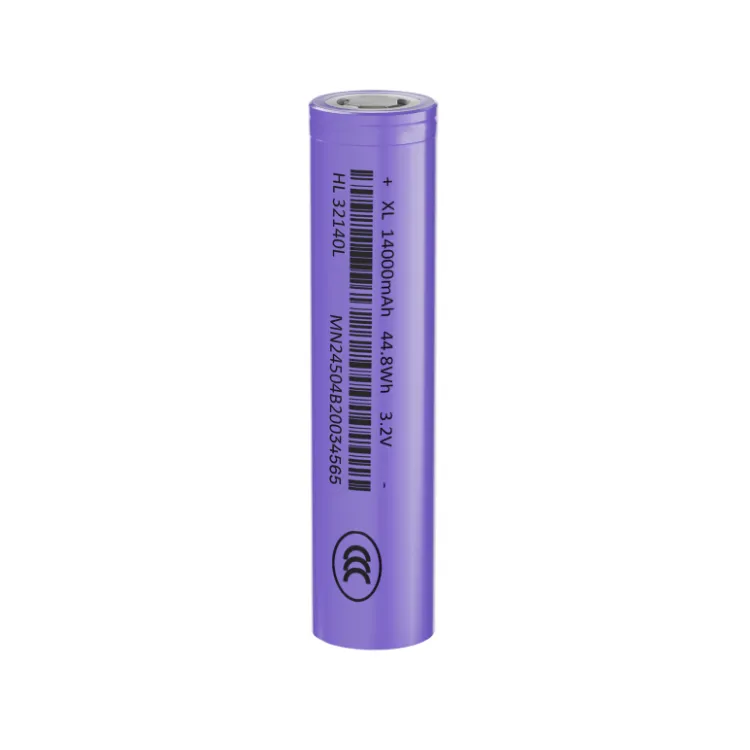 |
| 14500S·Typical capacity(0.2C): 500 mAh·Max charge/discharge: 0.48A/2.40A·Operating Temp.: -40°C~+85°C | 18650F·Typical capacity(0.2C): 3000 mAh·Max charge/discharge: 3A/30A·Operating Temp.: -40°C~+85°C | 32140L·Typical capacity(0.2C): 15000 mAh·Max charge/discharge: 4.5A/60A·Operating Temp.: -40°C~+85°C |
Conclusion: Which One Should You Choose?
Selecting the right battery depends entirely on your specific application requirements and budget. Neither is “better” in every scenario; instead, it’s about finding the best fit for your technical needs.
Choose Ni-MH Battery if:
- Safety is the Absolute Priority: You are designing products for children (toys) or applications where strict air transport regulations for lithium are a concern.
- Budget is Extremely Tight: For low-drain devices where initial cost is more important than long-term performance or energy density.
- Simple Charging Requirements: You need a robust battery that is less sensitive to overcharge or deep discharge.
Choose Original Li-ion Battery if:
- You need a cost-effective power solution for standard indoor or consumer applications.
- Your devices operate mainly in normal temperature environments.
- Compact size and lightweight design are important for portable electronics.
- Your application requires stable daily performance with moderate cycle life.
Choose UltraXel Li-ion Battery if:
- Performance and weight matter for industrial or mission-critical applications.
- Your equipment must operate reliably in extreme temperatures from -40°C to +85°C.
- You require long cycle life (1000+ cycles) to reduce maintenance and replacement costs.
- Your application demands high discharge performance and stable voltage output in harsh environments.
FAQs
Can I replace a NiMH battery with a lithium-ion battery?
In most cases, it is not advisable to directly replace a NiMH battery with a Li-ion battery unless the device is designed to accommodate the voltage and characteristics of Li-ion cells. But UltraXel wide-temperature Li-ion batteries are suitable for a variety of applications similar to those where NiMH batteries are commonly used, such as handheld scanners, IoT sensors, and small industrial tools. They offer higher energy density, longer cycle life, and broader temperature tolerance (-40°C to +85°C), providing enhanced reliability and performance in demanding environments.
Are NiMH batteries safer than lithium-ion batteries?
NiMH batteries are generally considered safer under normal use because they are less prone to thermal runaway. However, UltraXel wide-temperature Li-ion batteries are engineered with advanced BMS protection, thermal management, and industrial-grade safety features. When used according to the manufacturer’s guidelines, they are highly safe for industrial, IoT, and outdoor applications, even under extreme temperatures up to +85°C.
How can I extend the lifespan of my lithium-ion battery?
To maximize the lifespan of UltraXel wide-temperature Li-ion batteries:
- Avoid prolonged exposure to extreme heat (>85°C) or cold (<-40°C) during operation
- Prevent overcharging and deep discharging; use a BMS for optimal protection
- Store the battery in a cool, dry place when not in use
- Maintain charge levels between 20–80% for long-term stability Following these practices ensures consistent, safe, and reliable performance in industrial, IoT, and outdoor applications.