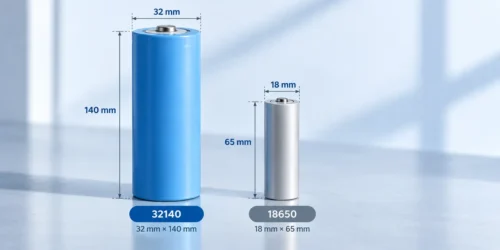
18650 batteries are rechargeable cylindrical lithium-ion cells widely used in portable electronics, power tools, medical equipment, electric mobility, energy storage, automotive electronics, and industrial IoT devices.
(More about the 18650 basics are in our guide: What Is an 18650 Battery?)
Common daily-life applications include laptops, power banks, flashlights, e-bikes, electric vehicles, portable power tools, solar storage systems, and industrial equipment.
However, not every 18650 battery is for the same application. Capacity, discharge performance, operating temperature, cycle life, and battery pack configuration all affect which cell is suitable.
What Uses 18650 Batteries?
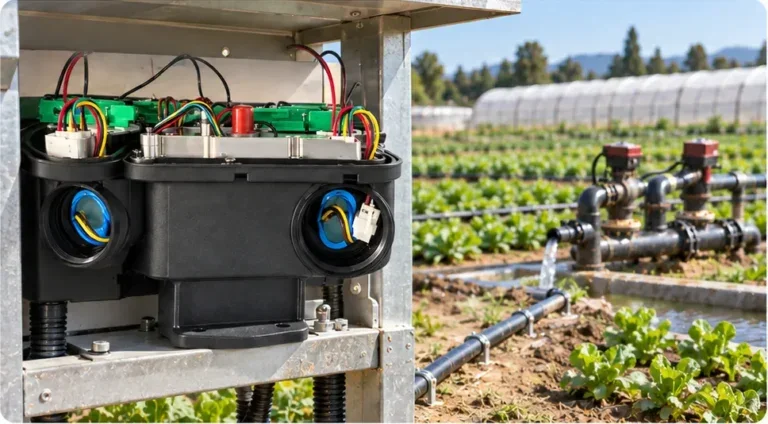
18650 Li-ion batteries appear from consumer electronics and portable equipment to industrial, automotive, medical, and energy systems.
| Application Category | Application | Battery Requirement |
| Consumer & Portable | Laptops and portable electronics | Energy density and capacity |
| Flashlights and headlamps | Compact size and runtime | |
| E-bikes and electric mobility | Pack scalability and discharge performance | |
| Industrial & Professional | Power tools | High discharge |
| Medical equipment | Stable and reliable power | |
| Energy storage | Capacity and cycle life | |
| Industrial and IoT equipment | Temperature performance and long runtime | |
| Automotive electronics | Temperature performance and reliability |
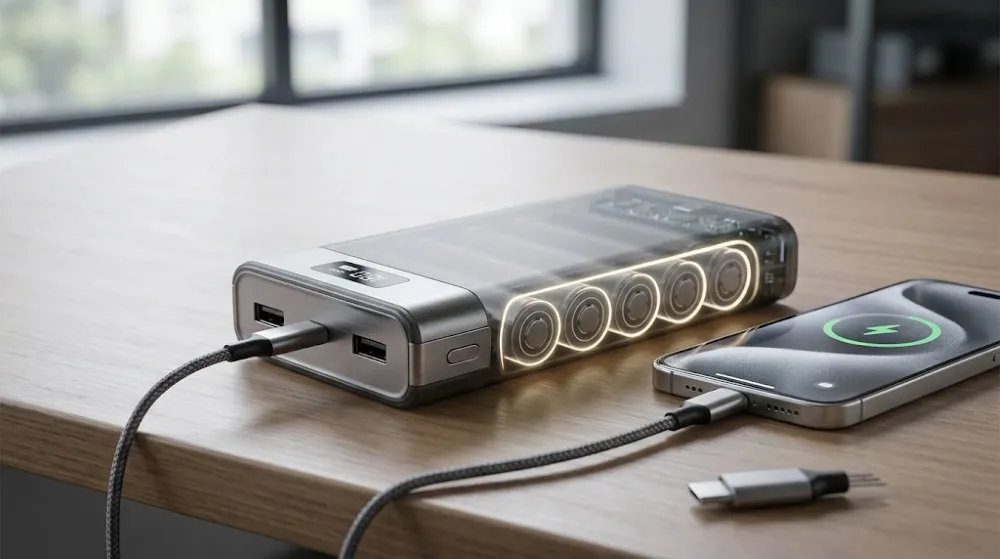
Consumer and Portable Applications
18650 batteries are widely used in portable equipment where compact size, rechargeable operation, and energy density are important.
- Laptops and portable computers
- Power banks
- Portable charging stations
- Flashlights
- Headlamps and torches
- E-bikes and electric scooters
While 18650 batteries are widely recognized for consumer electronics, the same cylindrical format is also used in much more stringent applications.
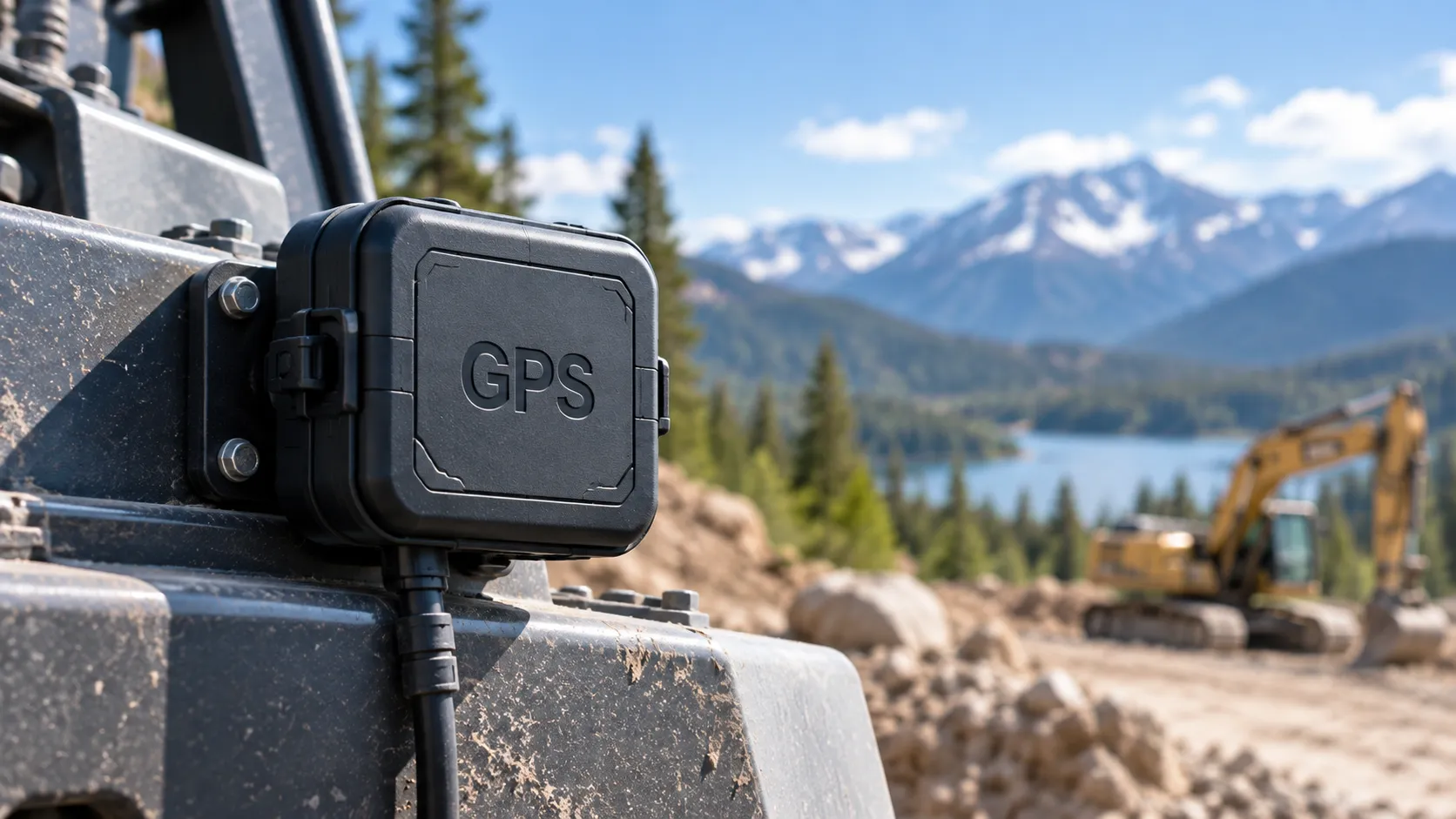
Industrial and Professional Applications
Instead of focusing only on compact size and runtime, these applications require high discharge capability, wide-temperature performance, high capacity, long cycle life, and reliable operation.
- Portable power tools
- Industrial equipment
- Medical and diagnostic equipment
- Energy storage and backup systems
- Automotive electronics
- GPS trackers
- Industrial sensors
- Remote monitoring systems
- Environmental monitoring equipment
- Industrial IoT terminals
- Security equipment
- Portable industrial instruments
For example, power tools may require high discharge capability, while remote IoT equipment may need long runtime and reliable operation across changing temperatures.
Why Are 18650 Batteries So Popular?
The popularity of 18650 batteries comes from their combination of compact size, rechargeable operation, energy density, and flexible battery-pack configurations.
Key advantages include:
- Compact cylindrical format: The small form factor allows manufacturers to integrate cells into space-constrained equipment.
- High energy density: Lithium-ion chemistry provides substantial energy relative to the cell’s size and weight.
- Rechargeable design: 18650 cells can support repeated use in rechargeable equipment.
- Different performance options: Cells can be designed for high capacity, high discharge, long cycle life, or wide-temperature operation.
- Scalable battery packs: Multiple 18650 cells can be connected in series and parallel to meet specific voltage and capacity requirements for custom battery packs.
Why 18650 Batteries Remain Relevant for Industrial Equipment?
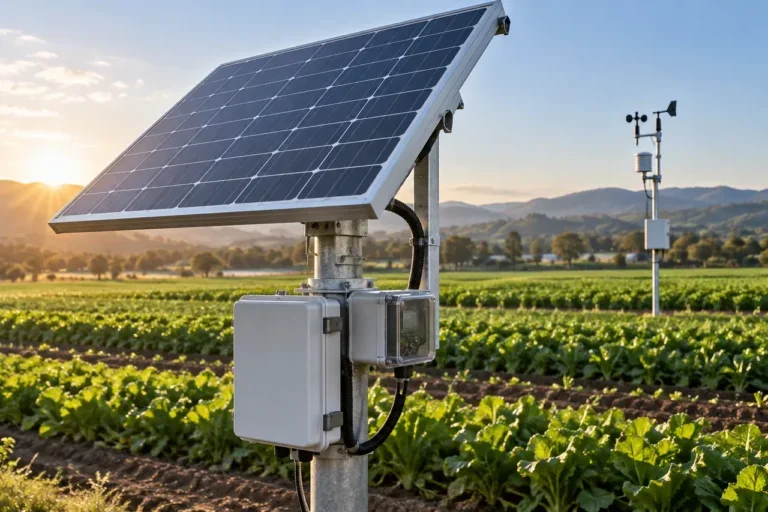
The 18650 battery format remains widely used in industrial equipment because its compact cylindrical design supports a wide range of battery configurations.
Not every 18650 battery meets industrial requirements in real applications. The right 18650 battery should be selected based on the equipment’s operating conditions and power requirements.
For demanding industrial applications, important characteristics may include:
Wide-temperature performance
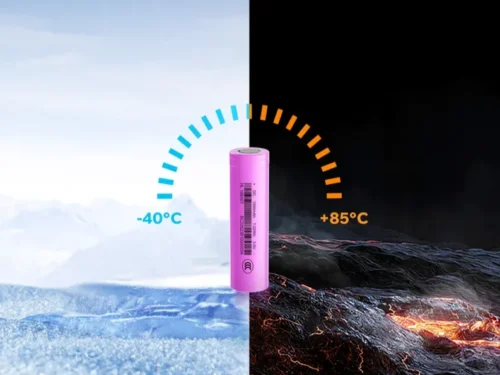
Outdoor monitoring systems, automotive electronics, remote IoT equipment, and other field devices may operate in hot or cold environments. A battery for a wider temperature range can be better suited to these conditions.
High discharge performance
Power tools, motors, robotics, and other high-load equipment can require substantial current during operation. High-discharge 18650 cells are for applications where current capability is a key requirement.
High capacity
Remote monitoring equipment, portable industrial devices, and other long-runtime systems may benefit from higher-capacity cells to extend operating time between charges or maintenance.
Long cycle life
Energy storage systems, backup equipment, and frequently cycled industrial devices can place greater emphasis on battery cycle life and long-term performance.
UltraXel 18650 Battery Solutions
UltraXel provides wide-temperature 18650 lithium-ion battery solutions for industrial, automotive, IoT, outdoor, and other demanding applications.


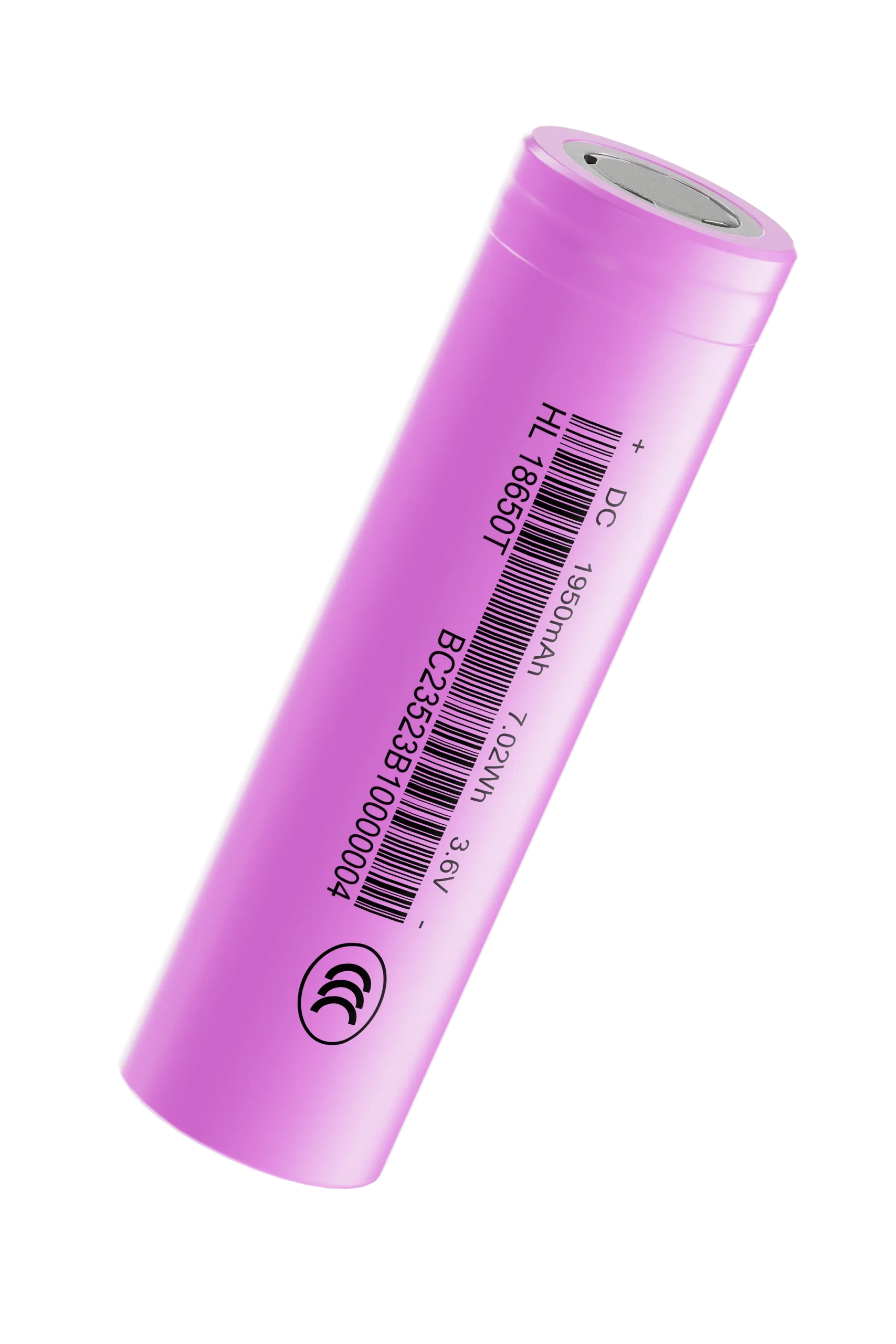
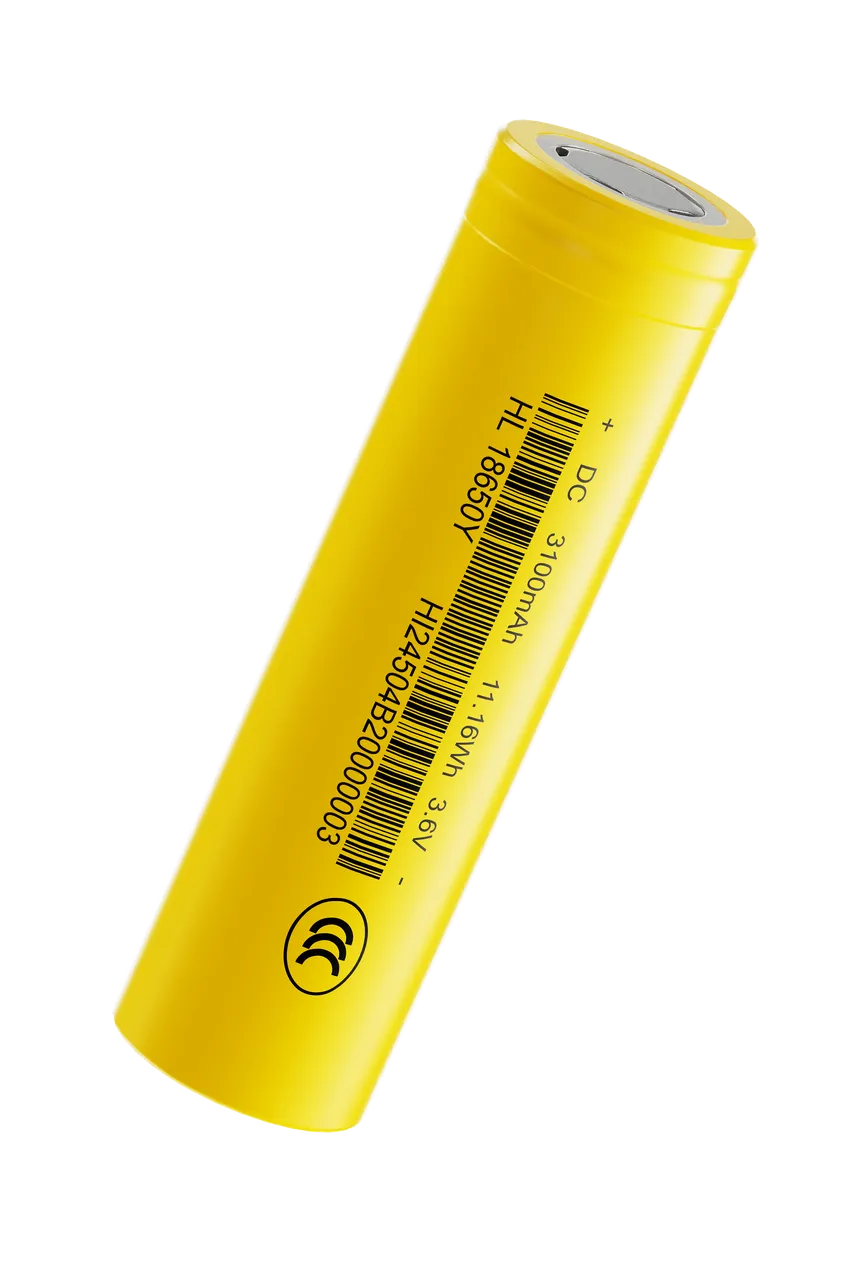
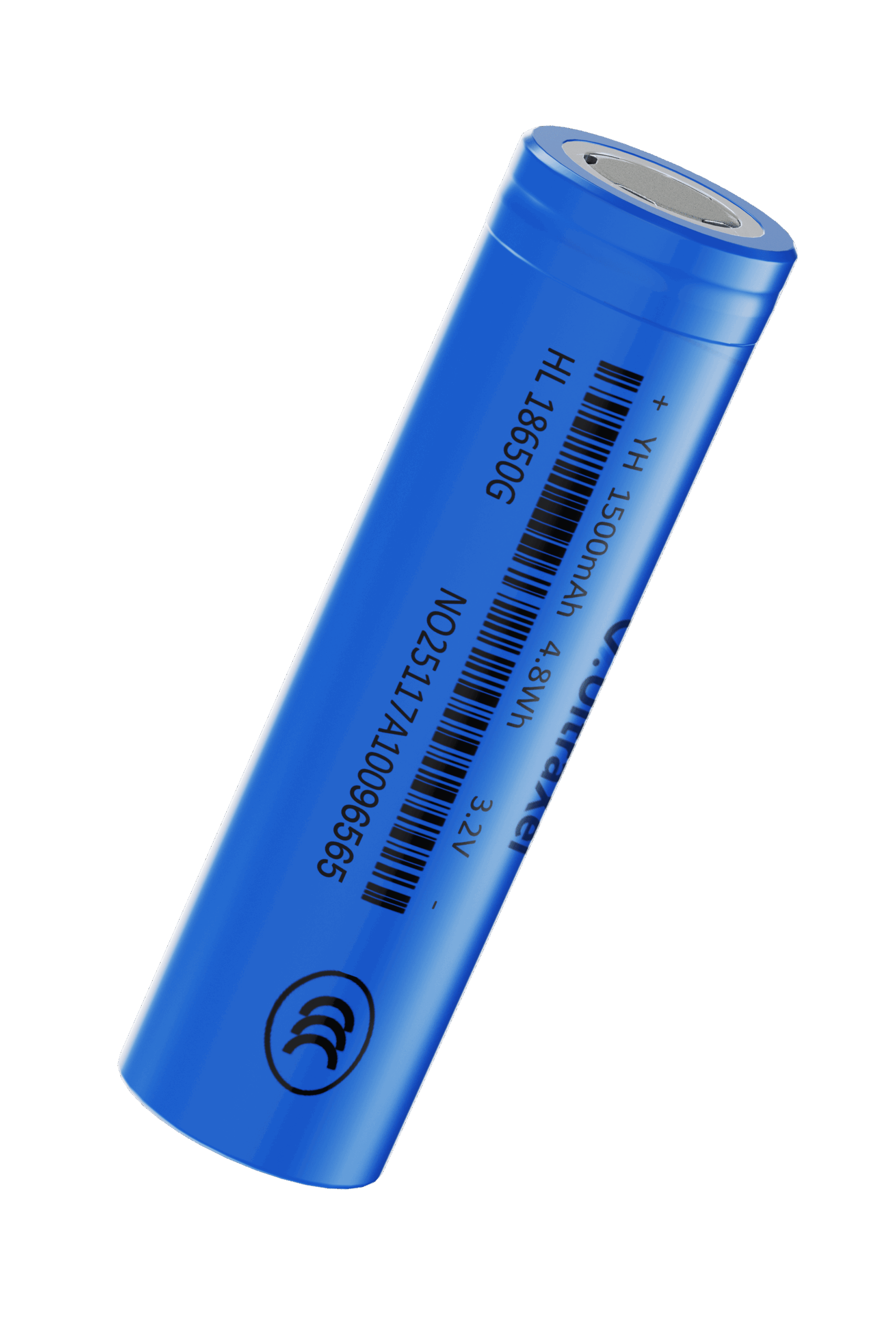
For applications requiring more than a standard single cell, UltraXel can also provide customized battery pack solutions.
Depending on project requirements, customization can include capacity, voltage configuration, BMS, NTC, connectors, housing, and battery-pack design.
Contact UltraXel and talk about reliable wide-temperature battery solutions for your business!
FAQ
Are 18650 batteries rechargeable?
Yes. Most 18650 cells are rechargeable lithium-ion batteries. However, charging requirements, cycle life, discharge capability, and operating temperature vary between cell models.
Why are 18650 batteries so popular?
18650 batteries combine a compact standardized cylindrical format with lithium-ion energy density, rechargeable operation, flexible discharge characteristics, and modular battery-pack design.
Their mature manufacturing ecosystem also makes them practical for many applications.
Can a 14500 be used instead of an 18650?
Not necessarily. A 14500 is smaller and has a lower capacity per cell. If the original design requires the energy or current capability of an 18650, replacing it with a single 14500 may not meet the application’s requirements.
Can 18650 batteries be used in industrial equipment?
Yes. 18650 cells can be used in industrial equipment when their electrical, thermal, mechanical, safety, and cycle-life characteristics match the application requirements.
Industrial equipment should not use a cell based only on its physical size or capacity rating.
Are all 18650 batteries the same?
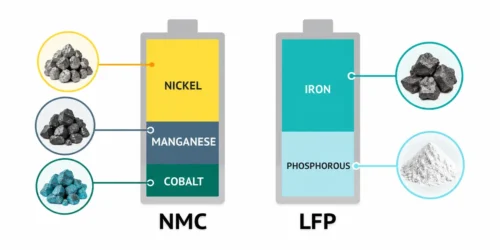
No. 18650 cells can differ significantly in capacity, discharge capability, chemistry, cycle life, operating temperature, charging requirements, protection requirements, and certifications.