
An 18650 battery is a rechargeable cylindrical lithium-ion cell measuring exactly 18 mm in diameter and 65 mm in length. It operates at a nominal 3.6 V to 3.7 V and offers a high energy density, making it the industry standard for high-drain devices like tactical flashlights, laptops, power banks, and electric vehicles.
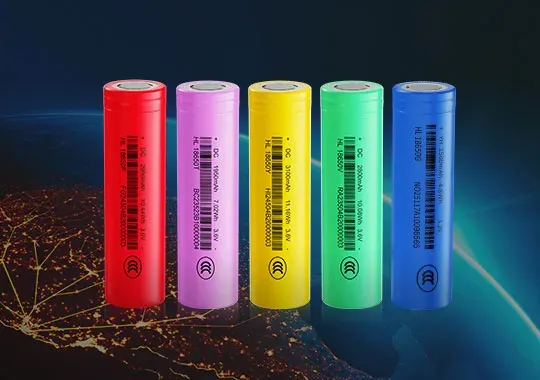
- Dimensions: 18 mm × 65 mm
- Voltage: 3.6 V – 3.7 V (Nominal)
- Capacity: Typically between 2,000 mAh and 3,500 mAh
- Recharge Cycles: A standard consumer 18650 battery lifespan typically covers 300 to 500 full charge cycles before capacity degrades significantly
Key Specifications
Why 18650 Performance Varies Widely
Not all 18650 batteries are built to the same standard. Real-world performance depends heavily on internal chemistry, manufacturing precision, and quality control protocols. Standard consumer-grade 18650 cells are typically optimized for low cost and light-to-moderate drain scenarios, using basic lithium-ion formulations that work well for everyday electronics but struggle under heavy load or extreme temperatures. For demanding use cases, an industrial-grade lithium cell 18650 with specialized chemistry delivers far more consistent performance.
For applications that demand consistent, long-lasting power, the gap between a standard off-the-shelf 18650 and a high-grade engineered cell is substantial. To quantify this difference, we’ve put together a head-to-head performance comparison below.Beyond raw power output, a major gap between consumer and industrial cells is 18650 battery lifespan — high-grade engineered cells retain usable capacity for far more cycles, especially in harsh conditions.
UltraXel vs. Standard 18650 Cells: Performance Comparison
| Performance Factor | UltraXel Wide-Temp 18650 | Standard Consumer 18650 |
| Operating Range | -40°C ~ +85°C (discharge) | -20°C ~ 60°C (discharge) |
| Capacity @ -18°C | Higher & more stable output | ~60% of room-temp rating |
| Voltage Stability | Highly stable across temperatures | Drops sharply under load |
| High-Temp Cycle Life | 500+ cycles at 60°C | <200 cycles at 60°C |
| Cold Charging | Optimized with anti-plating protection | Not recommended below 0°C |
| Reliability in Harsh Conditions | Industrial-grade high reliability | Medium |
| Best Use Case | Extreme temperature industrial scenarios | General indoor use |
Key Insight: Not all 18650 batteries perform equally in harsh environments. Wide-temperature 18650 cells deliver far greater reliability for mission-critical applications.
Technologies Behind Wide-Temp 18650 Cells
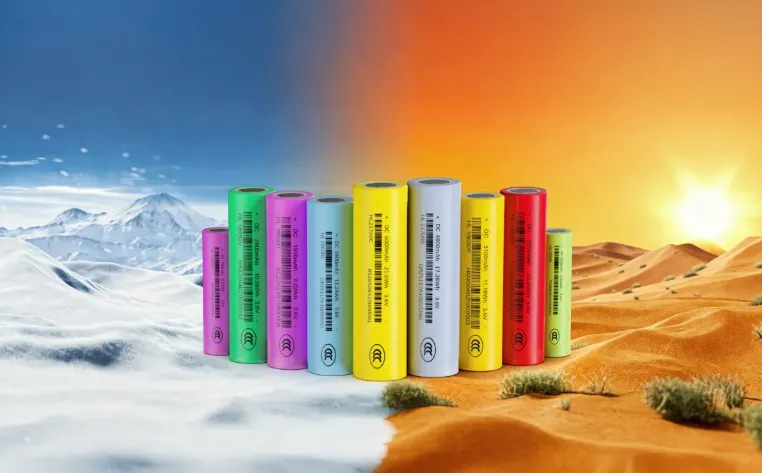
- Specialized electrolyte formulation: maintains ionic conductivity in extreme cold and resists decomposition in high heat
- Modified electrode materials: reduces internal resistance and prevents lithium plating at low temperatures
- Optimized cell structure: improves thermal stability and safety under sustained temperature stress
UltraXel Wide-Temp 18650 Product Lineup
Our full lineup of wide-temperature lithium cell 18650 models is engineered to cover every critical industrial and extreme-environment use case
- HL18650V: Cold-weather optimized cell, ideal for sub-zero outdoor environments
- HL18650T: High-temperature standby cell, built for enclosed automotive and industrial heat
- HL18650Y: High-capacity NCM cell for long runtime requirements
- HL18650F: High-discharge rate cell for high-power industrial and power tool applications
- HL18650G: Long-cycle LiFePO4 cell for energy storage and frequent cycling use
All models deliver consistent, safe performance across the full -40°C to +85°C rang
For industrial and extreme-environment use, 18650 cells power
Electronics

Security

Devices

Smart Logistics

Handheld Devices

Mineral Exploration

How to Choose the Right 18650 Battery for Your Project
When selecting an lithium cell 18650 for your application, consider these core criteria:
- Actual operating temperature range of the device
- Required continuous and peak discharge current
- Energy density needs vs. safety and cycle life priorities
- Certification requirements and batch consistency standards
- Need for custom battery pack design and BMS integration
For most industrial outdoor or extreme-temperature scenarios, UltraXel wide-temperature 18650 cells provide the best balance of performance, safety, and long-term value.
Not sure which 18650 cell fits your project? Get a free battery selection consultation + full datasheet from UltraXel within 24 hours.
Best Practices to Extend 18650 Battery Lifespan
To maximize performance and service life:
- Use chargers matched to the cell chemistry, and avoid overcharging
- Avoid charging standard lithium cells below 0°C without low-temperature protection
- Store cells at 20–25°C, and keep at ~50% charge for long-term storage
- Avoid deep discharge and sustained over-rate discharge
- Perform regular inspections and keep cell terminals clean
- For long-term outdoor deployment, choose wide-temperature 18650 cells to reduce degradation and replacement frequency
Frequently Asked Questions About 18650 Batteries
Are 18650 batteries the same as AA?
No, they are not the same — 18650 cells are larger in size, have a higher nominal voltage, and deliver far greater energy capacity than AA batteries, and they cannot be used interchangeably in most devices.
Do 18650 batteries need a special charger?
Yes, 18650 batteries require a charger matched to their specific chemistry and voltage rating to ensure safe charging, prevent overcharge, and extend service life.
How many years does an 18650 battery last?
Under normal room-temperature use, a standard 18650 lithium-ion battery lasts 3–5 years, while industrial wide-temperature 18650 cells can achieve a calendar life of over 5 years even in harsh environments.