Introduction
Wide temperature lithium batteries are designed to operate reliably in extreme environments where conventional lithium-ion batteries fail.
In many industrial applications—such as automotive electronics, outdoor monitoring, IoT devices, and industrial equipment—battery systems must withstand severe temperature fluctuations. Standard lithium batteries often experience:
- Capacity loss in cold environments
- Voltage drop during low-temperature discharge
- Accelerated degradation at high temperatures
- Increased safety risks
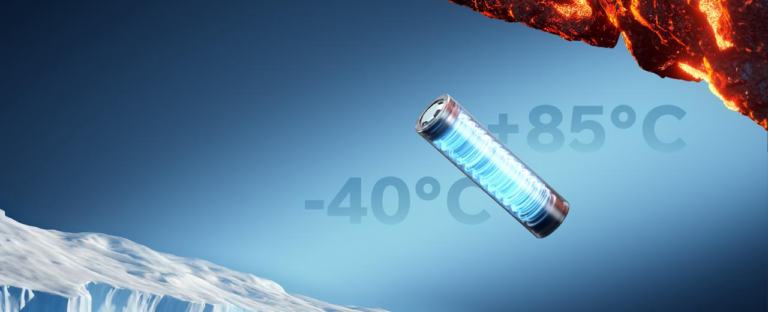
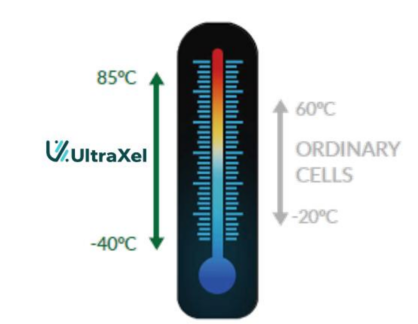
Wide temperature lithium batteries address these challenges by maintaining stable performance across -40°C to +85°C.
What Is a Wide Temperature Lithium Battery?
A wide temperature lithium battery is a lithium-ion battery engineered to operate reliably in extreme temperature environments.

Unlike standard lithium batteries that typically operate between 0°C and 45°C, wide temperature batteries are optimized for much broader conditions.
Typical operating range:
Discharge: -40°C to 85°C Charge: -20°C to 60°C (or lower with heating systems)
Low-viscosity electrolyte for improved ion mobility in cold environments
High thermal stability cathode and anode materials
Reinforced separator structures
Stable SEI layers to prevent lithium plating
These design improvements allow the battery to maintain stable voltage, capacity retention, and safety performance even in extreme environments.
Why Standard Lithium Batteries Fail in Extreme Temperatures
Understanding battery failure mechanisms is critical when designing power systems for harsh environments.
Low Temperature Failure (-40°C to -20°C)
At extremely low temperatures, several electrochemical limitations occur:
- Electrolyte viscosity increases
- Lithium ion mobility decreases
- Internal resistance rises
- Voltage drops rapidly under load
Charging under low temperatures can also cause lithium plating, which permanently damages the battery.
Example applications affected:
Outdoor surveillance cameras
Cold-chain sensors
Arctic or high-altitude devices
High Temperature Failure (60°C – 85°C)
High temperatures accelerate chemical reactions inside lithium batteries.
Common issues include:
- Electrolyte decomposition
- SEI layer breakdown
- Gas generation and swelling
- Separator shrinkage
This results in rapid capacity degradation and reduced cycle life.
Example scenarios:
Automotive T-Box modules
Industrial outdoor equipment
Desert monitoring stations
Different Battery Types Comparison
When selecting a battery solution, it is important to understand the performance differences between common battery chemistries.
Below is a comparison of traditional batteries and UltraXel wide temperature lithium batteries.
| Parameter | NiMH Battery | Lead-acid Battery | UltraXel 14500S (LFP Battery) | UltraXel 18650T( NCM Battery) |
| Nominal Voltage | 1.2V | 2V | 3.2V | 3.6V |
| Energy Density | 60–120 Wh/kg | 30–50 Wh/kg | 120–200 Wh/kg | 150–250 Wh/kg |
| Self-discharge | High | Medium | Very low | Very low |
| Memory Effect | Yes | Minimal | No | No |
| Low Temp Performance | Cannot work below -30°C | Capacity loss below -20°C | -40°C discharge supported | -40°C discharge supported |
| High Temp Performance | Capacity loss above 60°C | Fast aging | Stable up to 85°C | Stable up to 85°C |
| Cycle Life | 500–1000 | 300–500 | 1000–2000 | 500–1000 |
Compared with traditional NiMH and lead-acid batteries, UltraXel wide temperature lithium batteries provide:
Higher energy density
Better extreme temperature performance
Longer lifespan
Lower maintenance requirements
Key Technologies Behind Wide Temperature Lithium Batteries
Wide temperature battery performance depends on multiple engineering innovations.
Advanced Electrolyte Technology
Special electrolyte formulations ensure lithium ions remain mobile even at extremely low temperatures.
Key benefits:
- Improved cold discharge capability
- Reduced lithium plating risk
- Stable electrochemical performance
High-Stability Cathode and Anode Materials
Wide temperature batteries use specially engineered electrode materials capable of tolerating thermal stress.
Advantages:
- Improved thermal stability
- Enhanced energy output
- Longer cycle life
High-Temperature Separator Materials
High-performance separators prevent internal short circuits even under extreme thermal conditions.
Features include:
- Ceramic coating
- Thermal shrink resistance
- Improved mechanical strength
Battery Management System (BMS)
For battery packs, a smart BMS helps maintain safe operation by monitoring:
- Temperature
- Voltage
- Current
The BMS adjusts charging and discharging parameters to ensure reliability across wide temperature ranges.
Industry Applications of Wide Temperature Lithium Batteries
Wide temperature lithium batteries are widely used in industries that require reliable power under harsh environmental conditions.
Automotive Electronics
- T-Box communication modules
- Automotive infotainment systems
- vehicle data terminals

Surveillance and Security
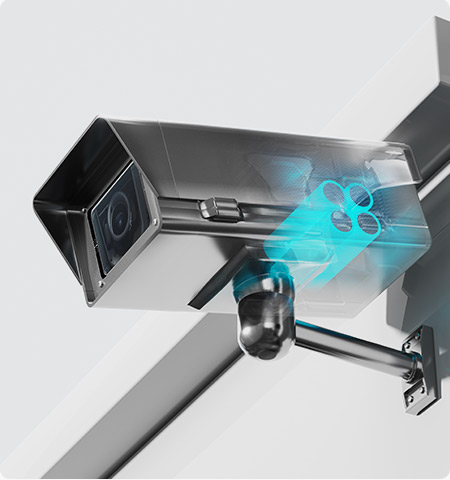
- Security cameras
- Body-worn cameras
- Smart doorbells
Industrial Handheld Devices
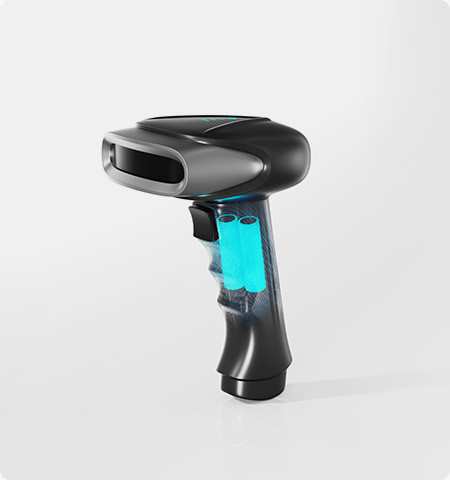
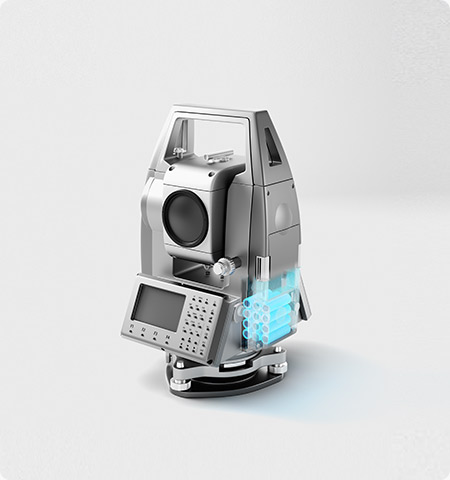
- PDA terminals
- industrial scanners
- measuring instruments
Outdoor and IoT Devices
- GPS trackers
- environmental sensors
- smart streetlights
Why Choose UltraXel Wide Temperature Batteries

Wide Temperature Lithium Battery FAQ
1. What is a wide temperature lithium battery?
2. How is a wide temperature battery different from standard lithium batteries?
3. Can a wide temp battery charge or discharge in extreme cold?
4. Can a wide temperature lithium battery handle high temperatures?
5. Does extreme temperature affect the cycle life?
6. How to choose a wide temperature battery?
- Operating temperature range
- Discharge/charge current
- Cycle life
- Safety certifications (UL, IEC, UN)
- System integration (size, connectors, BMS compatibility)
7. Typical applications of wide temperature lithium batteries?
8. Are wide temperature lithium ion batteries safe?
Yes. High-quality wide temperature lithium batteries include overcharge/discharge protection, thermal monitoring, and safety certifications for reliable operation.