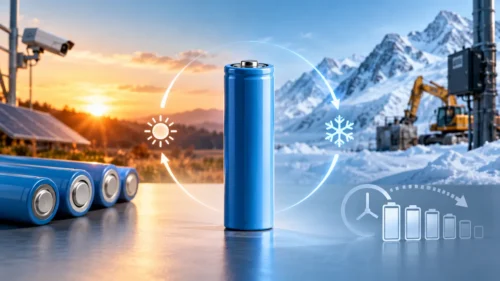
14500 batteries are used in a wide range of compact electronic devices, from consumer products such as flashlights and portable electronics to industrial equipment such as sensors, GPS trackers, IoT devices, and automotive electronics.
Because 14500 batteries are available with different chemistries, capacities, discharge characteristics, and temperature capabilities, the appropriate battery depends on the specific applications.
If you want to learn more about the basics of 14500 batteries, see our guide to What Are 14500 Lithium-ion Batteries?

What Are 14500 Batteries Used For?
Common applications include:
| Application | Typical Equipment |
| Consumer Electronics | Flashlights, portable lighting, small electronic devices |
| Industrial | Sensors, monitoring equipment, data loggers |
| IoT & Smart Devices | Smart meters, wireless sensors, connected devices |
| Tracking & Logistics | GPS trackers, asset trackers, cold-chain monitors |
| Automotive | Telematics, eCall, T-Box systems |
| Security & Outdoor | Security sensors, alarms, remote monitoring |
| Professional Equipment | Surveying instruments, portable meters, diagnostic equipment |
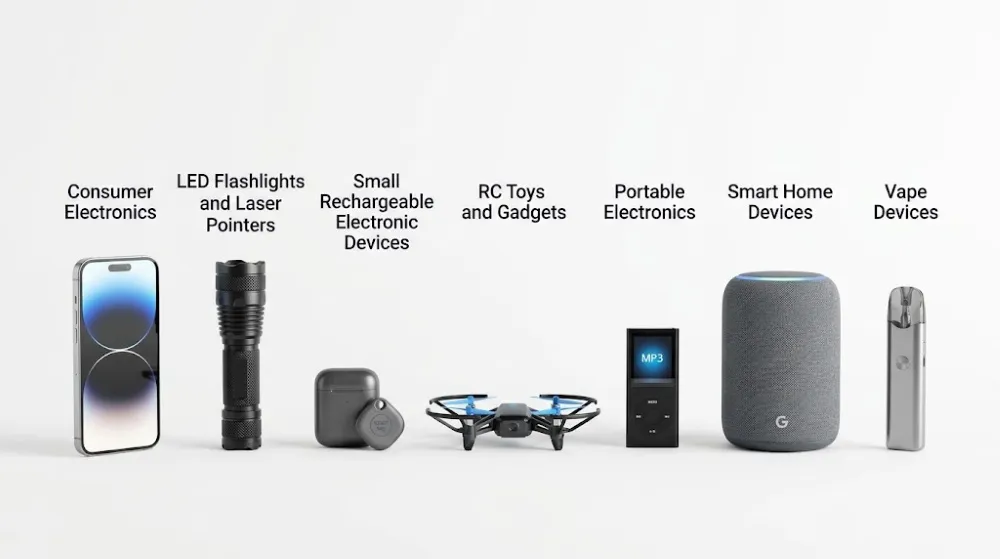
Consumer Electronics
- LED flashlights and laser pointers
- Small rechargeable electronic devices
- RC toys and gadgets
- Portable electronics
- Smart home devices
- Vape devices
Users typically consider voltage compatibility, capacity, runtime, physical dimensions, and charging requirements when selecting batteries for these applications.

Industrial and IoT Equipment
14500 batteries are widely used in compact industrial and IoT equipment, including:
- Industrial sensors
- Equipment monitoring devices
- Environmental sensors
- Wireless measurement equipment
- Data loggers
- Smart meters
- Industrial IoT equipment
- Remote monitoring systems
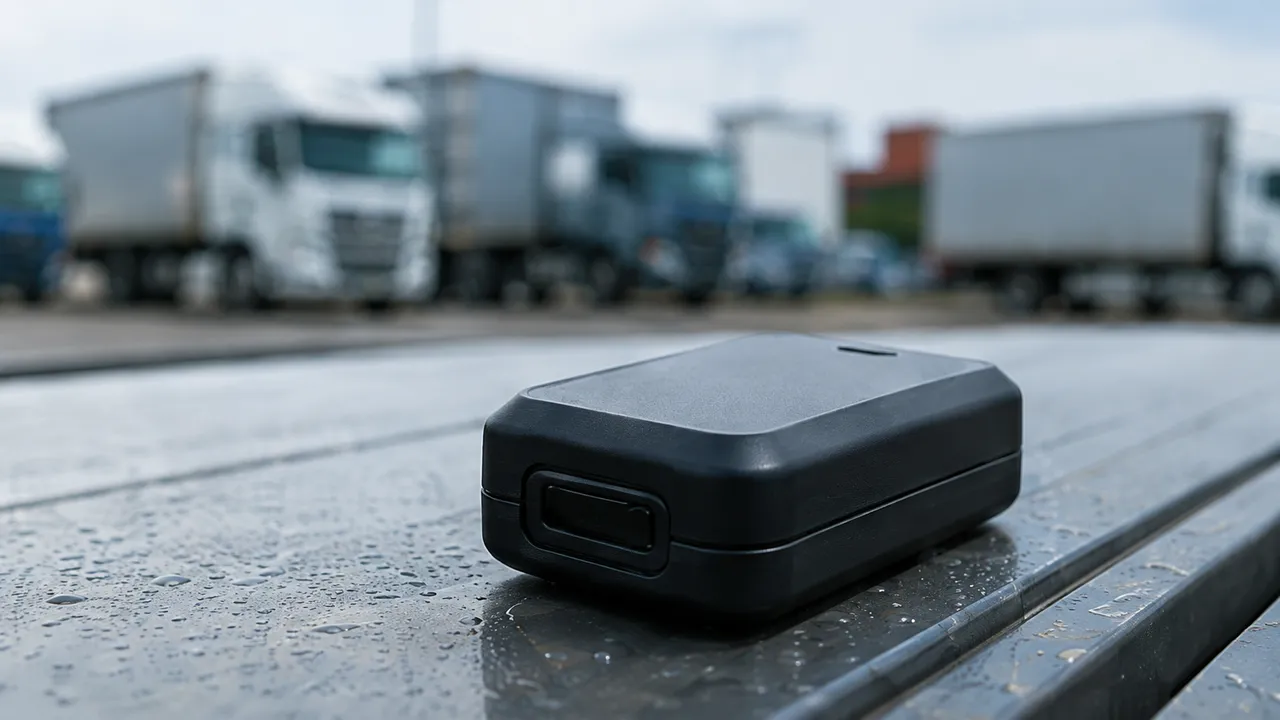
Tracking, Automotive, and Outdoor Equipment
14500 batteries support compact tracking, automotive, and outdoor electronic devices, including:
- GPS trackers
- Automotive electronics
- eCall and T-Box systems
- Outdoor monitoring equipment
- Cold-chain monitoring devices

Professional and Portable Equipment
14500 batteries are also used in professional and portable equipment, including:
- Surveying instruments
- Handheld meters
- Field measurement equipment
- Portable detection equipment
- Data collection devices
- Portable diagnostic equipment
What Should You Consider When Choosing a 14500 Battery?
Not every 14500 battery is suitable for every application. Batteries with the same form factor can have different chemistries, voltage characteristics, capacities, discharge capabilities, and operating temperature ranges.
When selecting a 14500 battery, consider the following factors:
| Selection Factor | Why It Matters |
| Chemistry & Voltage | Determines electrical compatibility with the equipment |
| Capacity | Affects expected operating time |
| Discharge Performance | Must match continuous and peak current requirements |
| Operating Temperature | Important for outdoor, automotive, and industrial applications |
| Service Life | Important for equipment that is difficult or costly to service |
| Size & Configuration | Must fit the available battery compartment and system design |
Consumer vs Industrial 14500 Battery Requirements
Consumer and industrial applications can use the same 14500 form factor but may have very different battery requirements.
A consumer device used in a controlled environment may primarily require suitable voltage, capacity, and runtime. Industrial equipment may additionally require reliable operation across a wider temperature range, specific continuous or peak discharge performance, long service life, and application-specific protection or pack integration.
UltraXel Industrial 14500 Battery Solutions

When standard consumer battery performance cannot meet system requirements, specialized battery solutions can be selected based on operating environment, power demand, and application conditions.
Depending on the application requirements, available solutions include:
Wide-Temperature Performance
Battery options designed for demanding environments, including solutions covering -40°C to +85°C, depending on the specific cell and application requirements.
Multiple Chemistry Platforms
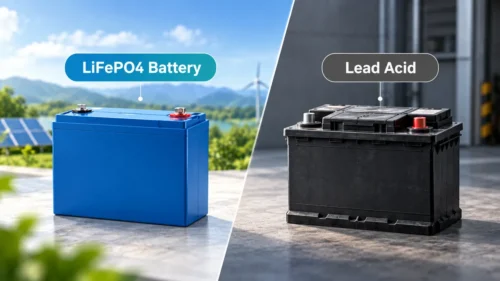
Lithium-ion and LiFePO₄ battery platforms are available to support different requirements for energy density, safety, cycle life, and operating conditions.
Application-Specific Discharge Performance
Battery selection can be optimized according to continuous current, peak discharge requirements, and device operating profiles.
Automotive Application Support
Solutions for applications such as telematics and eCall-related equipment where temperature performance and long-term reliability are important.
Custom Wide-Temperature Battery Pack Solutions
UltraXel supports OEM battery customization, including custom wide-temperature battery packs , PCM/BMS integration, NTC sensors, connectors, and customized configurations.
If you are developing an industrial, automotive, IoT, outdoor, or professional device that requires a compact battery solution, UltraXel can help evaluate the appropriate battery solution for your application.
FAQ
What devices use 14500 batteries?
14500 batteries are used in devices such as GPS trackers, industrial sensors, smart meters, IoT equipment, security devices, portable instruments, and some automotive electronics.
Can 14500 batteries be used in outdoor equipment?
Yes. 14500 batteries can be used in GPS trackers, remote sensors, security equipment, and other outdoor devices when the battery meets the required environmental conditions.
For equipment exposed to extreme temperatures, UltraXel offers wide-temperature 14500 lithium-ion battery solutions for operation from -40°C to +85°C.
Can 14500 batteries be used for automotive electronics?
Yes. Specialized 14500 batteries can be used in applications such as telematics and eCall systems, subject to the required temperature, discharge, service life, and reliability requirements.
Can 14500 batteries be used in low-temperature environments?
Yes, if the battery is specifically for low-temperature or wide-temperature operation. For demanding applications, evaluate the battery’s actual discharge performance at the intended operating temperature.