

Rechargeable Smart Meter Battery Solutions
When Do Smart Meters Need Rechargeable Batteries?
Key Battery Challenges
Wireless Transmission Peaks
Cellular and wireless communication create short current spikes that may cause voltage drops.
Motorized Valve Current Demand
Valve motors require higher startup current, which can cause voltage drops or interrupted operation.
Extreme Operating Temperatures
Cold conditions reduce usable capacity, while prolonged heat exposure accelerates battery aging.
Repeated Backup Power Demand
Frequent power interruptions require dependable energy storage and repeated recharge capability.
Limited Installation Space
Compact enclosures restrict battery size, voltage, and available capacity.
UltraXel Battery Solutions
Stable Power for Communication
Cells selected to meet transmission peak currents and minimum operating voltage requirements.
High-Discharge Cell Selection
Match cell discharge capability to valve startup, peak current, and operating load.
−40°C to +85°C Discharge
Wide-temperature Li-ion cells support reliable discharge across extreme environments.
Rechargeable Backup Solutions
NCM and LiFePO₄ options matched to backup runtime, charging conditions, and cycle-life requirements.
Compact & Custom Battery Packs
Flexible cell configurations, PCM/BMS protection, and connectors tailored to device dimensions.
Rechargeable vs. Primary Lithium Batteries for Smart Metering
| Comparison |
CR Battery (Li-MnO₂) |
ER Battery (Li-SOCl₂) |
UltraXel Rechargeable Lithium |
|---|---|---|---|
| Rechargeability | Non-rechargeable | Non-rechargeable | Rechargeable |
| Nominal Voltage | Typically 3.0V | Typically 3.6V |
3.2V (LFP) / 3.6V (NCM) |
| Operating Temperature | Model-dependent | Model-dependent | −40°C to +85°C discharge |
| Self-Discharge |
Generally low; model-dependent |
Very low; suitable for long-term storage |
Depends on cell chemistry, temperature, and storage conditions |
| Pulse Current Capability | Depends on cell design and pulse conditions | May require pulse-support components | High-discharge options available |
| Cycle Life | Single-use | Single-use | 500–1,500+ cycles, depending on model and test conditions |
| Power Maintenance | Replace after depletion | Replace after depletion | Rechargeable with a compatible charging system |
| Key Design Considerations | Capacity, pulse load, and replacement interval | Passivation, pulse load, and service life | Charging control, cycle life, and temperature management |
Recommended Wide-Temperature Battery Cells for Smart Metering
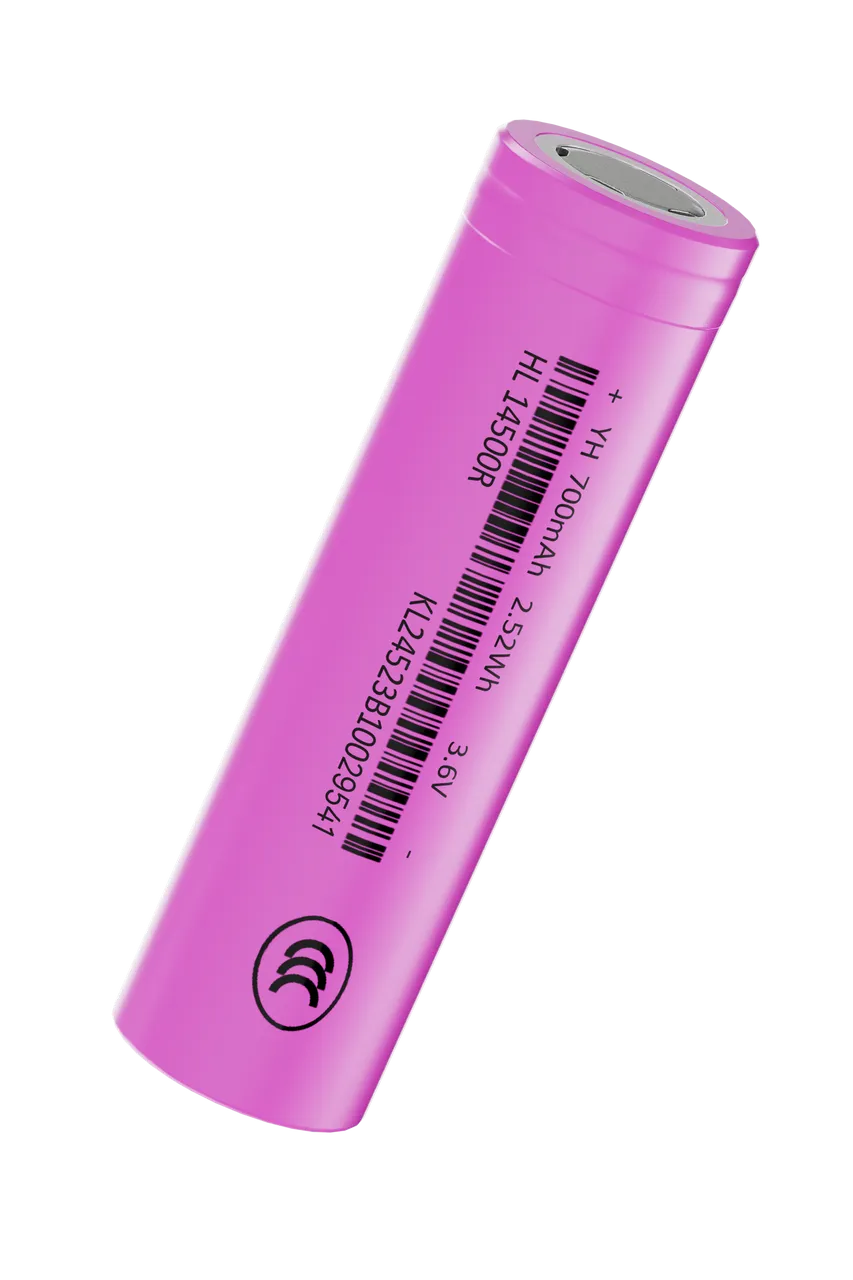
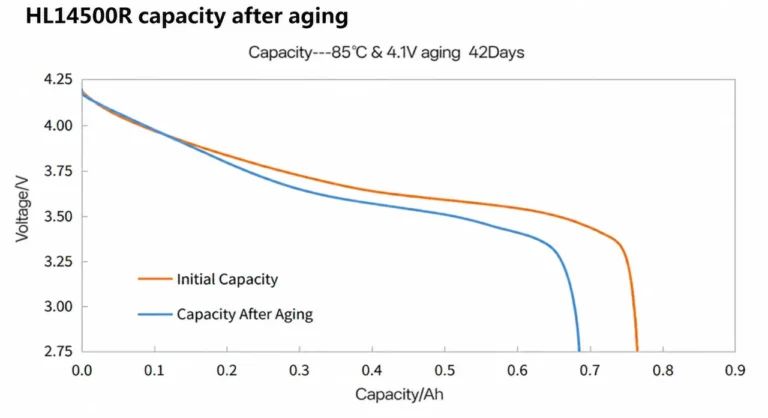
HL14500R Compact Smart Meter Backup Battery
- 750mAh Capacity
- 3.6V Nominal Voltage
- −40°C to +85°C Discharge
- 3.5A Max. Continuous Discharge
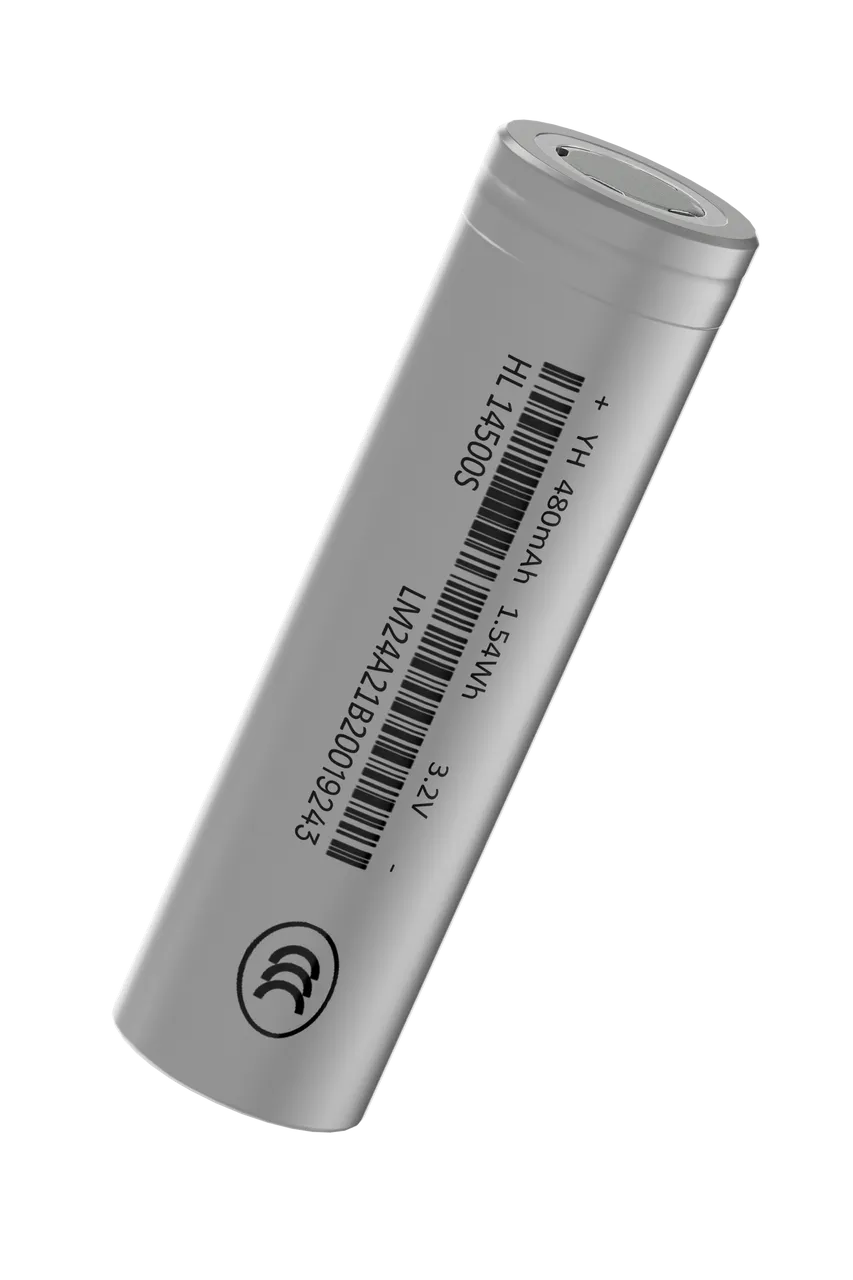
HL14500S Compact LiFePO₄ Backup Battery
- 500mAh Capacity
- 3.2V Nominal Voltage
- −40°C to +85°C Discharge
- 2.4A Max. Continuous Discharge
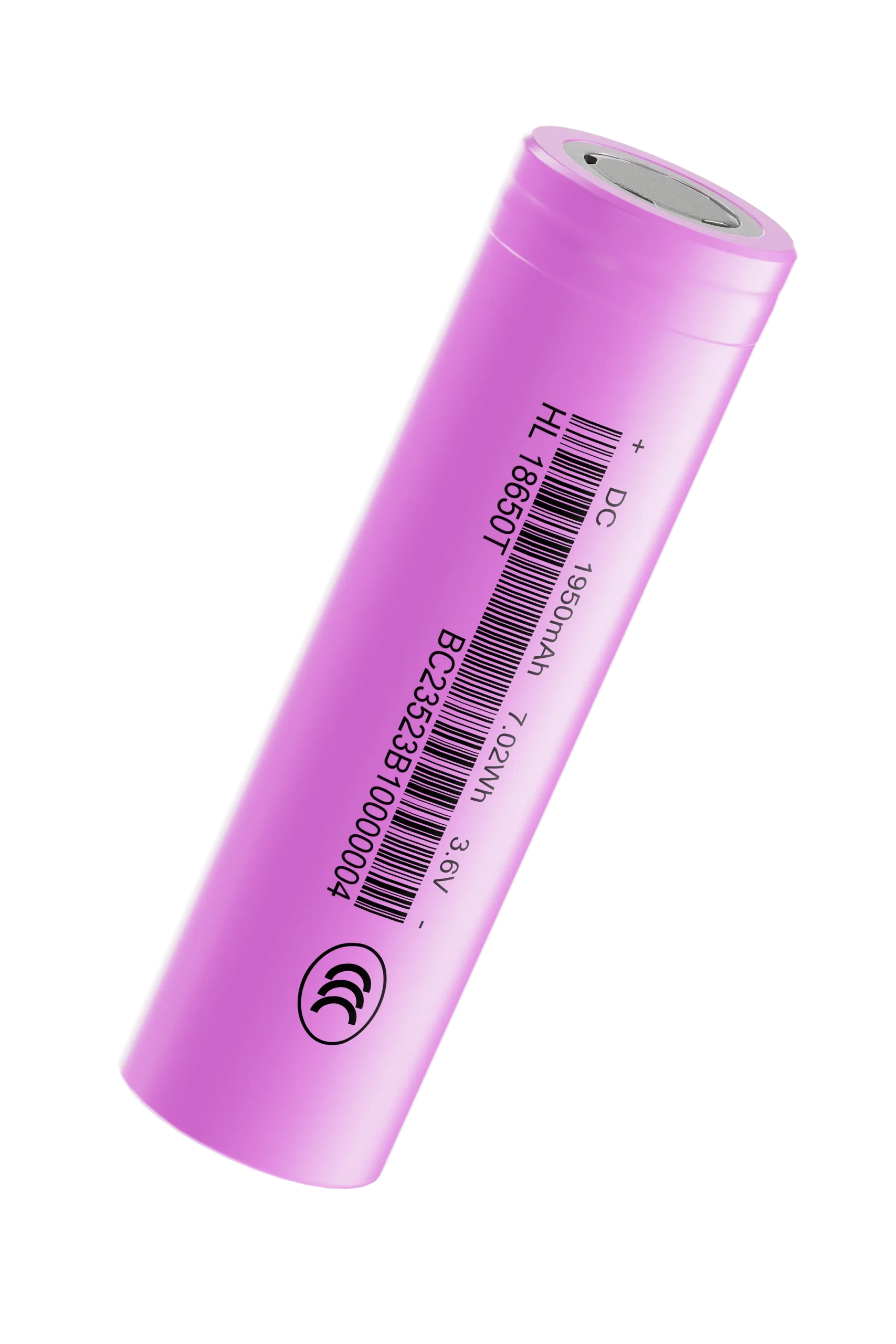
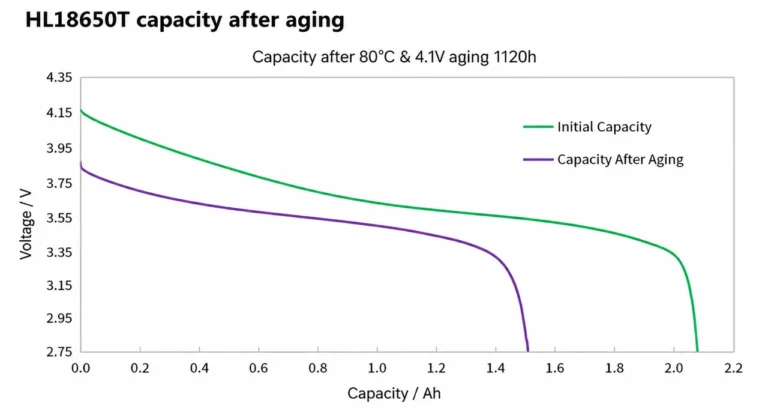
HL18650T High-Temperature Smart Meter Backup Battery
- 2000mAh Capacity
- 3.6V Nominal Voltage
- −40°C to +85°C Discharge
- 10A Max. Continuous Discharge
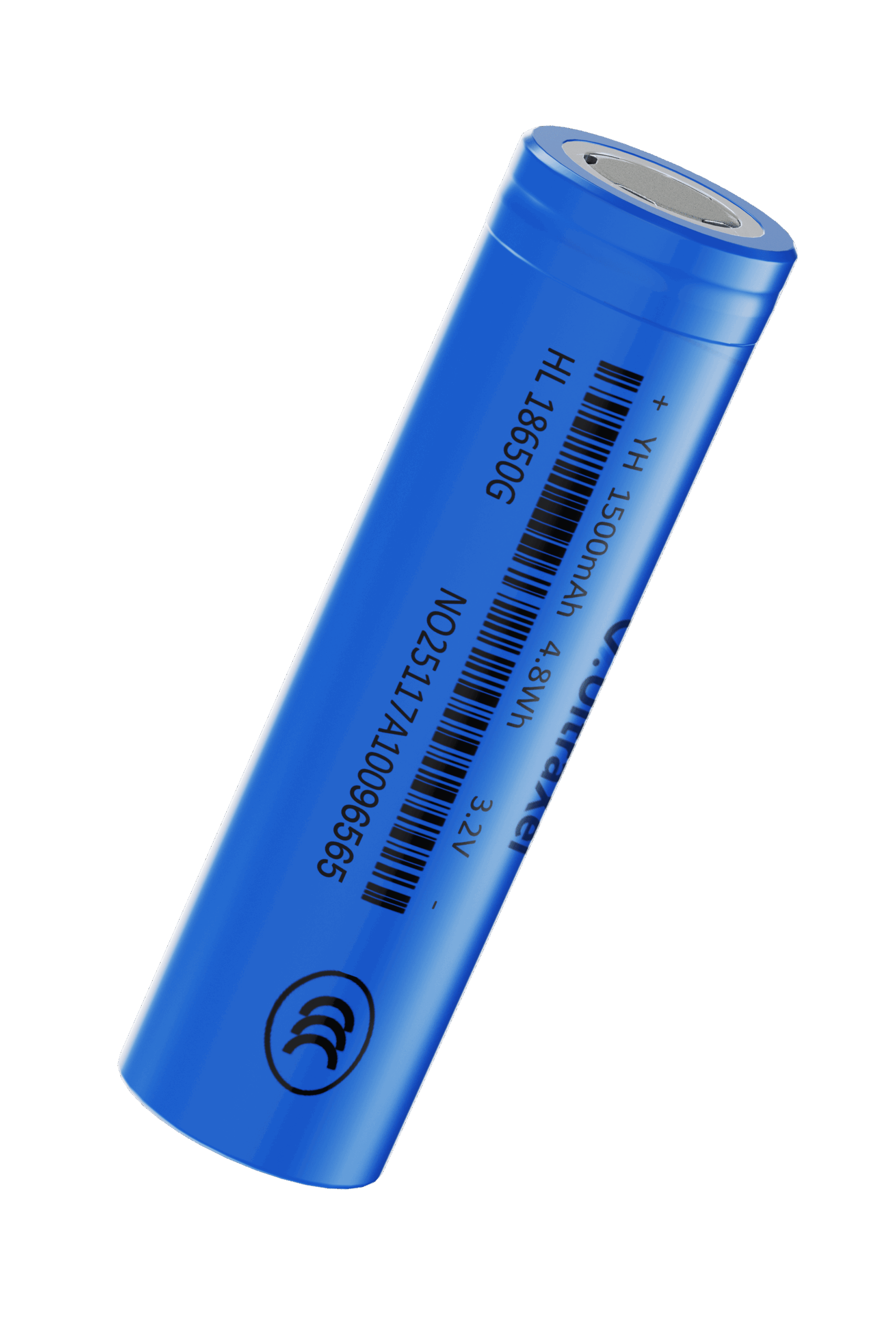
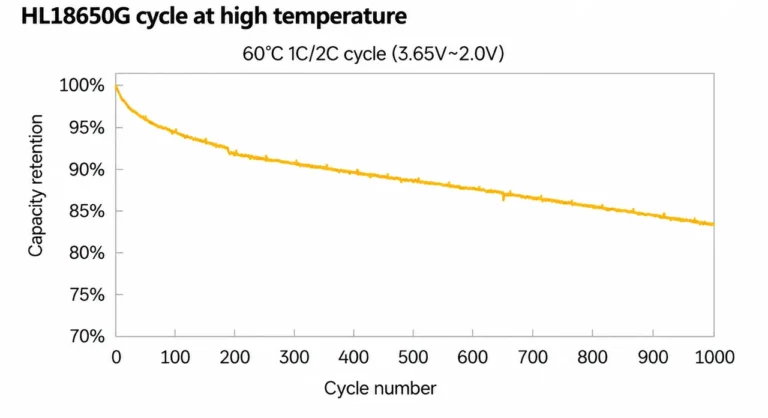
HL18650G Long-Cycle-Life Smart Meter Battery
- 1600mAh Capacity
- 3.2V Nominal Voltage
- −40°C to +85°C Discharge
- 7.5A Max. Continuous Discharge
Wide-Temperature Battery Performance for Smart Metering
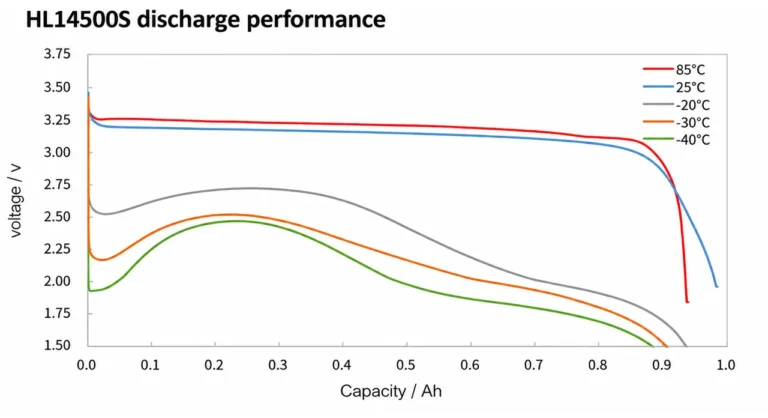
Cold-Weather Operation

Thermal Durability

Rechargeable Backup
How to Select the Right Rechargeable Smart Meter Battery
Power Architecture
Confirm the available charging source and primary or backup power configuration.

Operating Voltage
Define nominal voltage and minimum operating voltage under load.

Peak Current
Identify wireless transmission peaks and motorized valve startup currents.

Backup Runtime
Determine the required operating time during power interruptions.

Temperature Conditions
Specify charging, discharging, and storage temperature requirements.

Battery Integration
Confirm available space, connectors, and PCM/BMS protection requirements.
Wide-Temp Rechargeable Battery Applications for Smart Metering
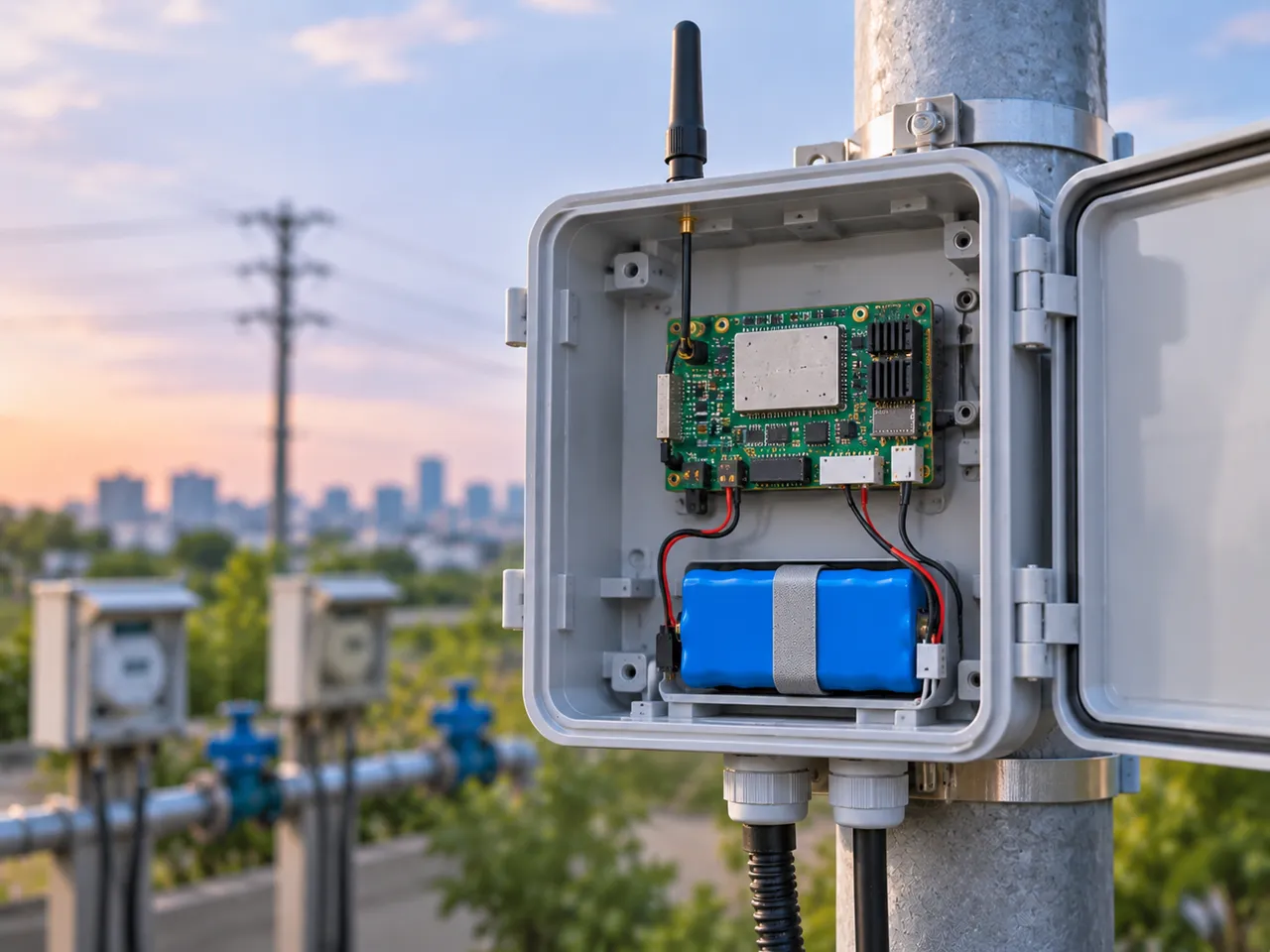
Smart Electricity Meter Backup Battery
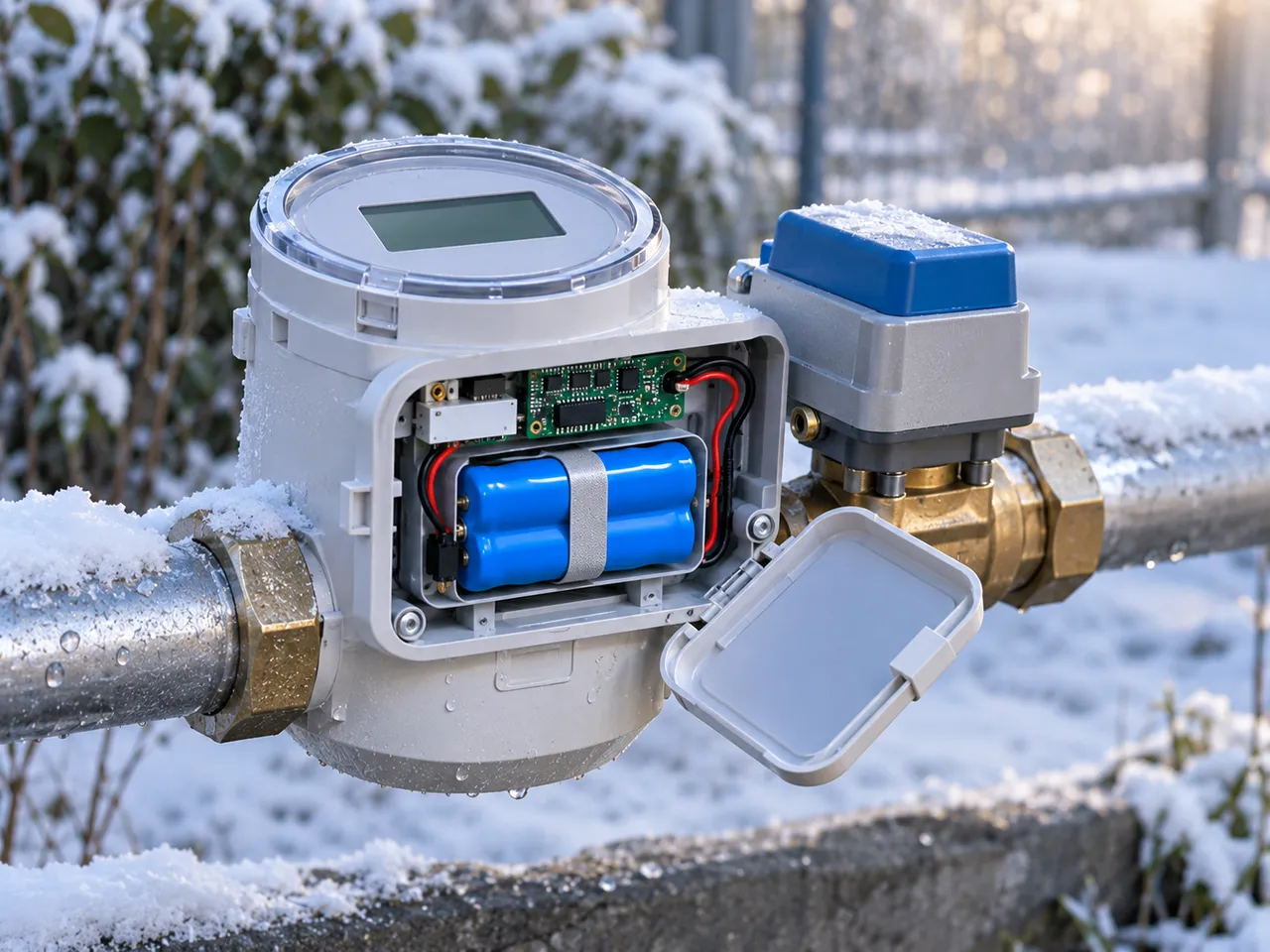
Motorized Valve Smart Meter Battery
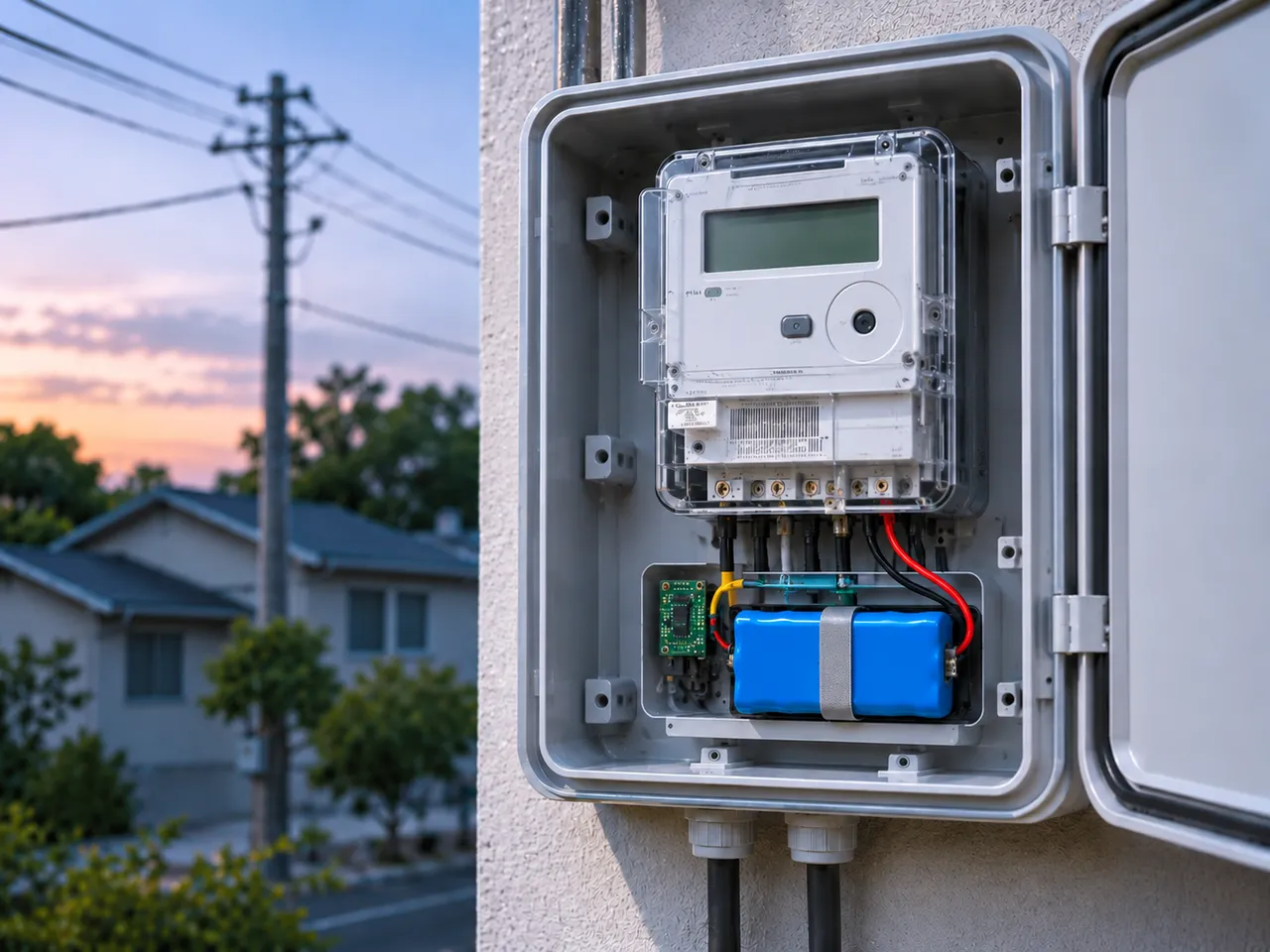
Smart Meter Communication Module Battery

Solar-Powered Remote Metering Battery
Example Battery Pack Configurations for Smart Metering
Compact Smart Meter Backup Pack
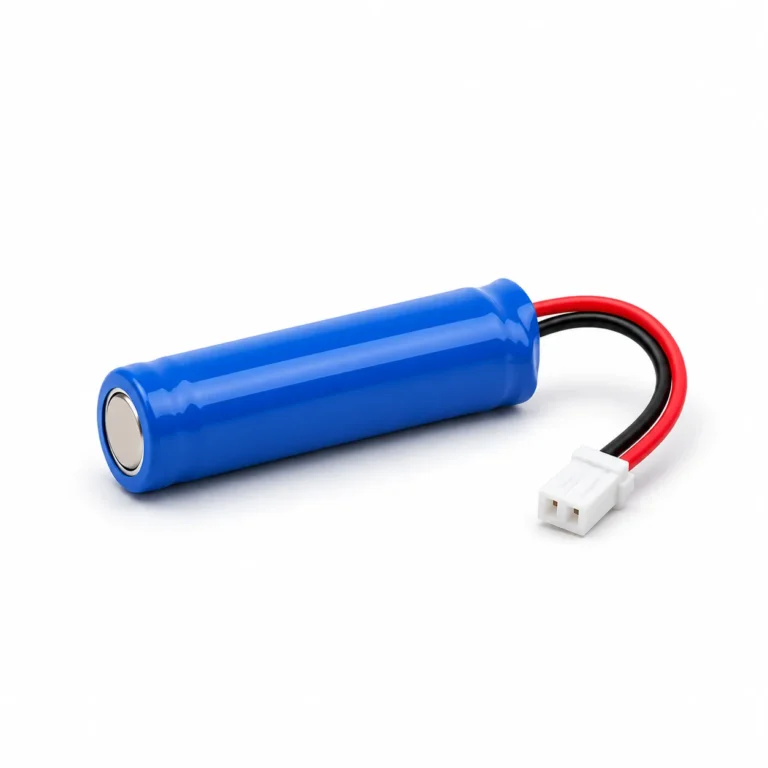
Configuration
- Compact Design fit space-constrained devices.
- Rechargeable Backup supports repeated backup operation.
- Wide-Temperature Power reliable discharge in extreme conditions.
High-Current Communication & Valve Pack
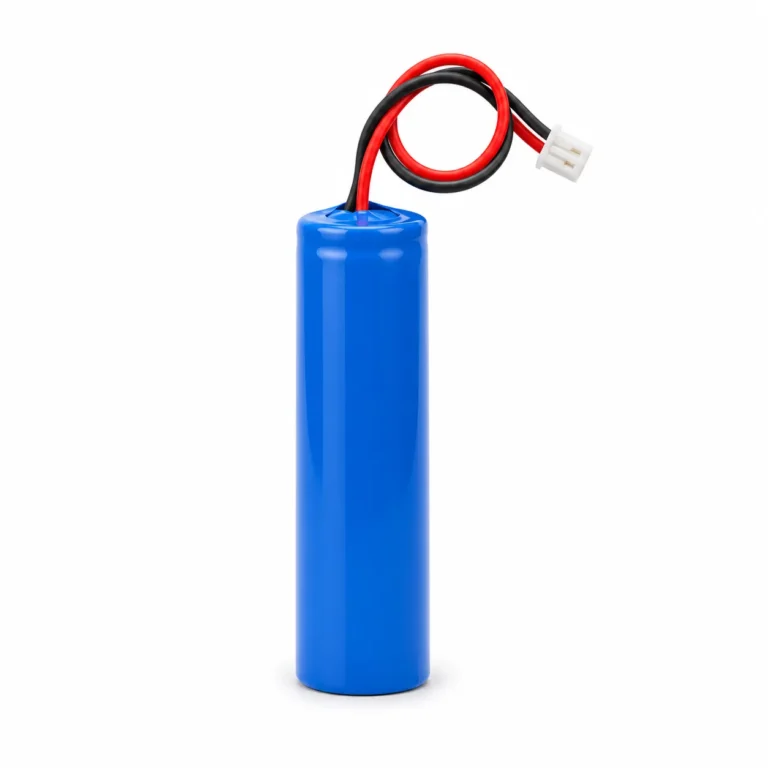
- Peak Power Support handles communication and valve startup loads.
- Voltage Stability supports power delivery under varying loads.
- Heat Durability for high-temperature environments.
Extended-Runtime Remote Metering Pack
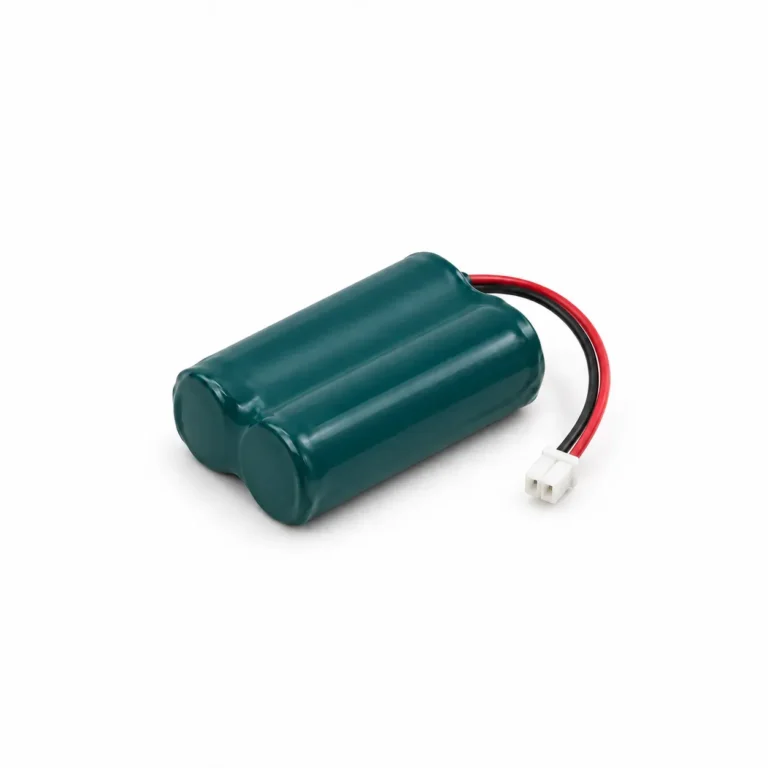
- Extended Runtime reduces charging frequency.
- Cold-Weather Performance maintains usable capacity at low temperatures.
- Remote Reliability supports hard-to-access outdoor installations.
From Cell Selection to Custom Battery Pack
Customize Smart Meter Battery Project
What We Offer

Battery Cell Selection
14500, 18650, 21700 and 32140 options.

Custom Battery Packs
Custom voltage, capacity, BMS and connectors.

Application Matching
Solutions matched to load, temperature and space.