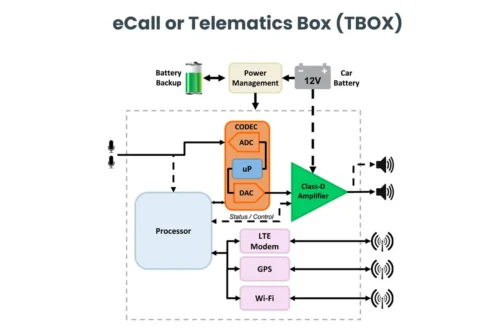
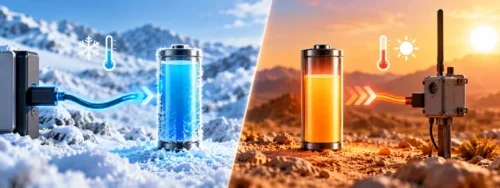
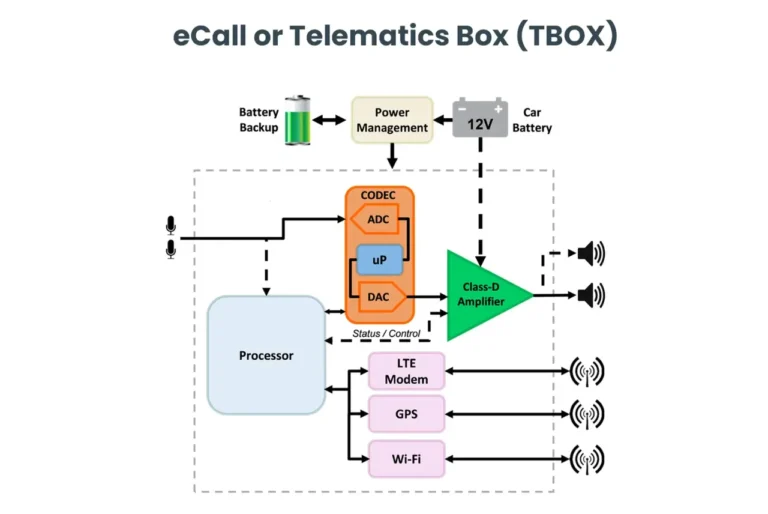
An eCall backup battery must keep emergency communication working when the vehicle’s main power supply is disconnected or damaged. That means providing enough power to start the module, transmit location data, and support voice communication—even in cold weather and after years of temperature exposure.
Choosing the right battery requires more than checking its nominal capacity or operating temperature range. Engineers also need to understand its voltage under load, high-temperature aging performance, and usable backup time.
This guide explains the key selection criteria and introduces UltraXel wide-temperature cells and custom battery packs for automotive backup applications.
What Challenges Do eCall Backup Batteries Face?
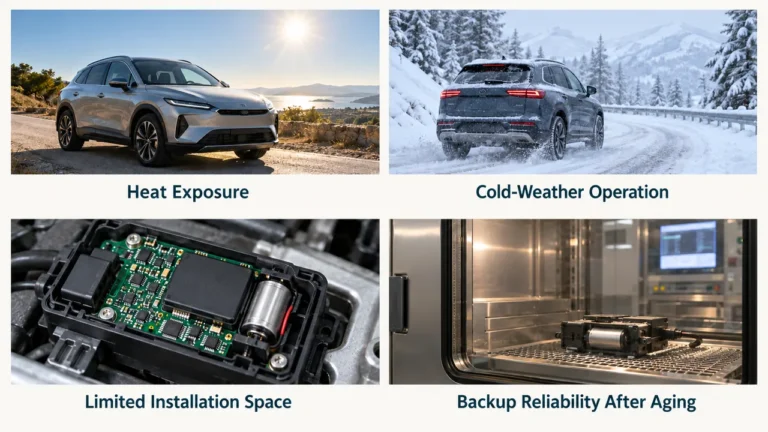
Heat Exposure During Vehicle Use
An eCall battery may spend much of its life on standby while exposed to elevated temperatures. Even when it rarely supplies backup power, it continues to age.
Over time, capacity loss and increased internal resistance can reduce the energy and power available during an emergency.
Cold-Weather Startup and Communication
Low temperatures can cause a larger voltage drop when the module starts or transmits data.
A battery may still contain energy, but if its voltage falls below the module’s minimum operating limit, communication can stop.
Limited Installation Space
The battery must fit within the available space while providing the required backup duration. Cell size, electrical configuration, protection circuitry, and connectors all affect the final pack dimensions.
Reliable Backup After Aging
A new battery’s performance is only part of the picture. The more demanding question is whether it can still complete the emergency task in cold conditions after prolonged heat exposure.
What Should You Check When Choosing an eCall Battery?
Operating Temperature and Charging Limits
A discharge range of −20°C to +60°C is common among standard lithium-ion cells, although specifications vary. UltraXel wide-temperature options support discharge from −40°C to +85°C.
Charging limits must be checked separately. A battery that can discharge at an extreme temperature may not be permitted to charge there.
Voltage Under the Actual Load
Nominal capacity does not tell you whether the battery can keep the module running.
Check the voltage during startup, data transmission, and voice communication. It must remain above the system’s minimum operating voltage for the required backup period.
High-Temperature Durability
Being able to discharge at +85°C does not establish how a battery performs after prolonged heat exposure.
Review aging data that states the temperature, duration, battery voltage, and measurement procedure. These conditions are essential for interpreting the result.
Cold-Weather Performance After Aging
For long-term automotive use, review low-temperature discharge performance after high-temperature aging.
This helps determine whether the battery retains enough usable power to complete the emergency task later in its service life.
Which UltraXel Cells Are Suitable for Evaluation?
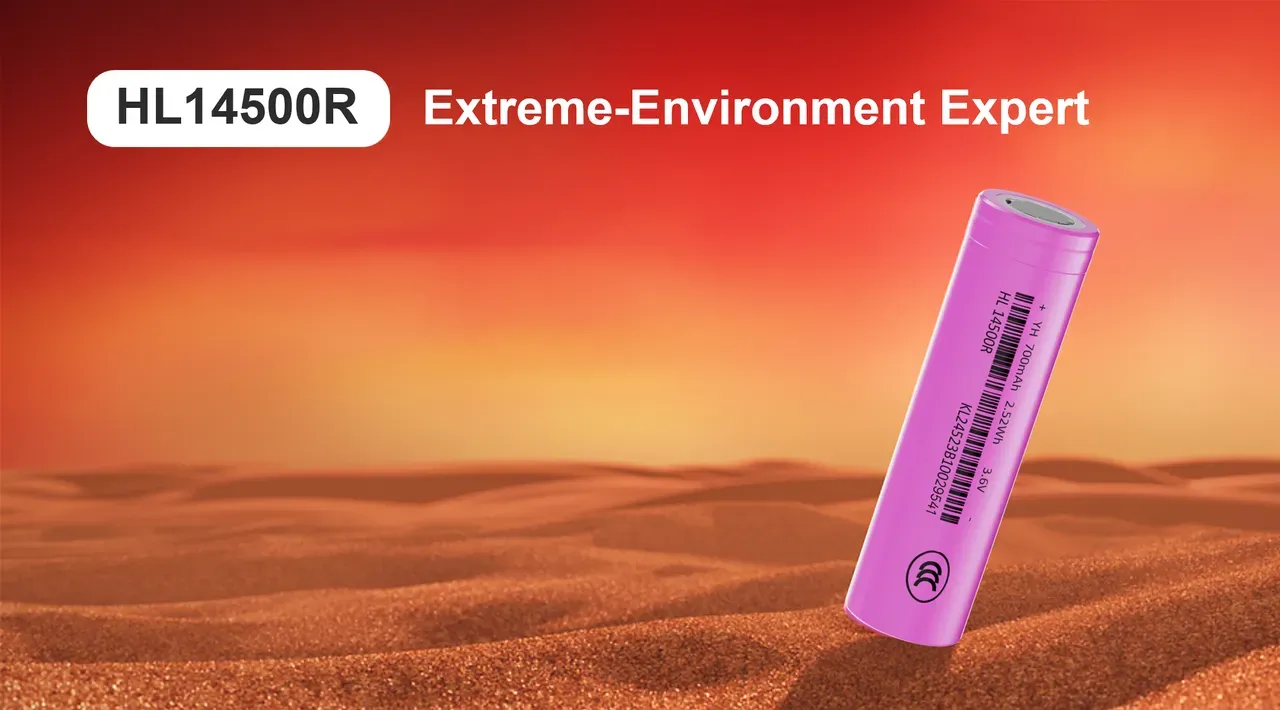
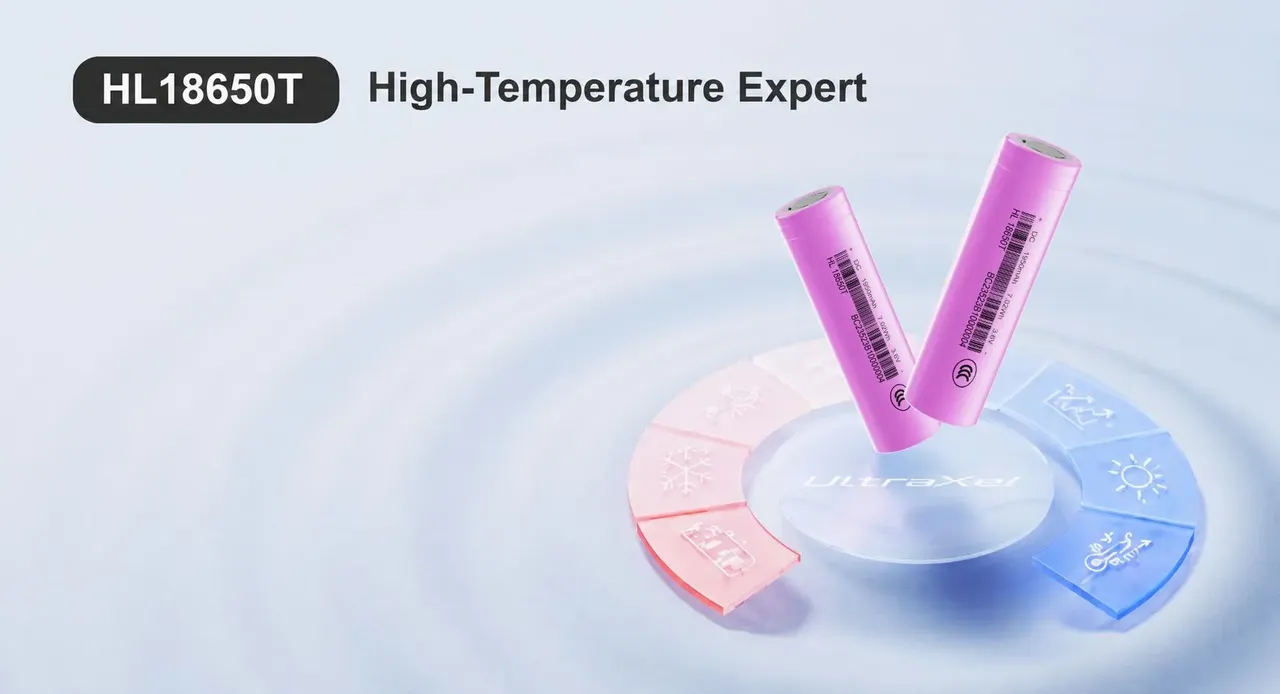
HL14500R and HL18650T provide two starting points for projects with different space and energy requirements.
| Selection Point | HL14500R |
|---|---|
| Cell format | 14500 cylindrical cell |
| Nominal voltage | 3.6V |
| Nominal capacity | 750mAh |
| Discharge temperature | −40°C to +85°C |
| Main selection benefit | Compact size for limited installation space |
| Selection Point | HL18650T |
|---|---|
| Cell format | 18650 cylindrical cell |
| Nominal voltage | 3.6V |
| Nominal capacity | 2000mAh |
| Discharge temperature | −40°C to +85°C |
| Main selection benefit | Higher capacity for greater backup energy needs |
How Should an eCall Battery Be Tested?
The most useful tests connect battery performance with the module’s actual operating requirements.
Fresh-Battery Discharge Testing
Test at the expected temperatures using the required load profile.
Record voltage under load and the time available before reaching the system’s minimum operating voltage. A room-temperature capacity result alone is insufficient.
For example, HL14500R discharge curves include tests at different temperatures under a 13W / 2S1P configuration. These results describe the tested two-cell configuration and should not be presented as a single cell delivering 13W.
High-Temperature Aging
Evaluate how prolonged heat exposure affects capacity and power delivery.
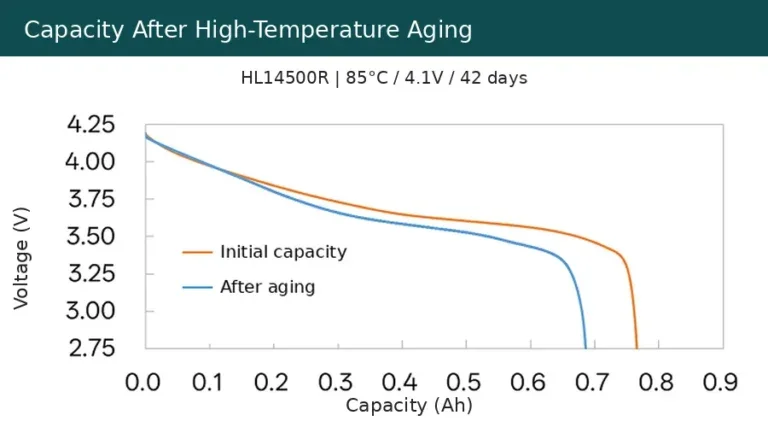
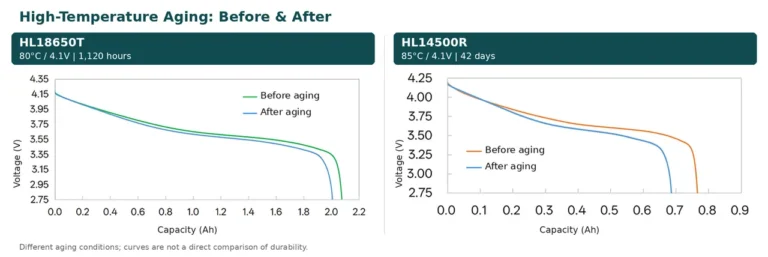
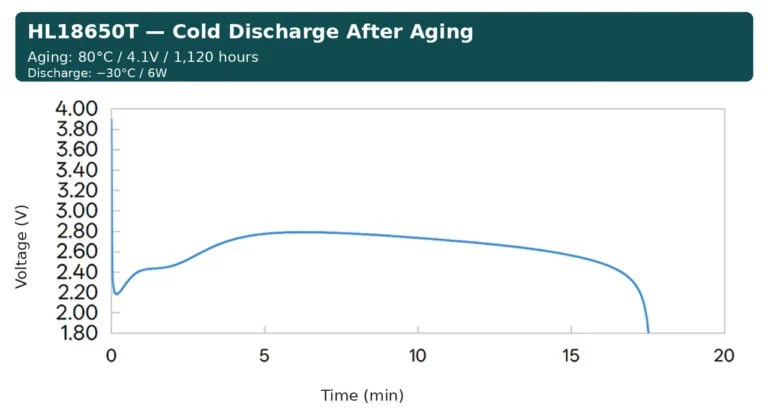
UltraXel’s HL18650T evaluation reports over 90% capacity recovery after 1,120 hours at 80°C under the specified test conditions. HL14500R evaluations include capacity curves before and after 42 days at 85°C / 4.1V.
When comparing results, check whether capacity was measured immediately after exposure or after recovery and recharging. These measurements answer different questions.
Low-Temperature Discharge After Aging
After aging, test the battery under cold conditions and the required backup load.
UltraXel’s HL18650T evaluation includes 6W discharge at −30°C after 1,120 hours of high-temperature aging. Read the resulting curve against the module’s minimum operating voltage to determine the usable backup time.
Frequently Asked Questions
What Is the Difference Between Standard and Wide-Temperature Batteries?
Wide-temperature batteries are designed for a broader operating range. For eCall selection, the useful difference is demonstrated performance at the required temperatures, including voltage under load and behavior after aging.
Compare model-specific data rather than temperature labels alone.
Why Can an eCall Module Stop While the Battery Still Has Energy?
The module requires a minimum supply voltage. Cold temperatures and battery aging can increase voltage drop under load.
If voltage falls below the operating limit, the module may shut down before all stored energy can be used.
Why Test Cold Discharge After High-Temperature Aging?
A fresh battery may perform well in the cold but deliver less power after aging.
Combining heat exposure with subsequent cold-load testing provides a more relevant assessment of long-term automotive backup capability.
Should I Choose HL14500R or HL18650T?
Start with HL14500R when installation space is limited. Consider HL18650T when more backup energy is needed and space allows.
Confirm either choice through testing with the actual module, load profile, and voltage limits.
What Quality Documents Should an Automotive Battery Supplier Provide?
Review the manufacturing certification scope, model-specific specifications and test reports, and batch traceability records.
Confirm that the documents cover the relevant manufacturing site and the cell or pack being supplied.
How Can UltraXel Support Your eCall Project?
UltraXel provides wide-temperature cells and custom battery pack support for automotive backup applications, including:
- Cell selection based on space, load, and backup duration
- Customized pack voltage, capacity, and dimensions
- Protection circuitry and temperature monitoring
- Wiring, connectors, and mechanical integration
- Model-specific discharge and aging data for engineering review
UltraXel’s IATF 16949-certified manufacturing supports production controls and batch traceability. Performance data and manufacturing documentation can be reviewed together during supplier evaluation.
Need Help Selecting the Right Battery for Your eCall Project?
Share your required voltage, capacity, lighting schedule, operating temperatures, battery dimensions and expected annual volume with UltraXel’s engineering team.