Choosing the best battery for cold weather depends on the application, operating temperature, and whether the battery needs to charge or discharge in cold conditions.
For vehicle starting, AGM batteries are a common choice because of their strong cold-cranking performance. For RVs, solar systems, and other deep-cycle applications, LiFePO4 batteries with low-temperature charging protection can provide high energy density and long cycle life. For industrial and outdoor equipment operating in very low temperatures, a purpose-designed low-temperature lithium battery may be more suitable.
The key is not simply choosing battery chemistry. You also need to consider the required operating temperature, charging temperature, discharge requirements, BMS protection, and overall battery-pack design.

What Is the Best Battery for Cold Weather?
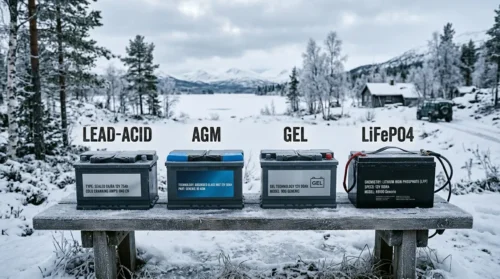
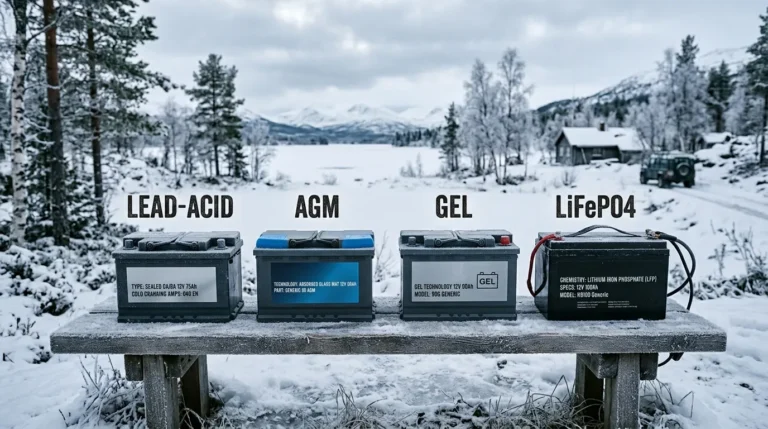
The right choice depends on the required power, operating temperature, charging conditions, and expected cycle life. For most common cold-weather applications, AGM, Lead-Acid, Gel, and LiFePO4 are the main battery types to consider.
| Application | Recommended Battery Type | Feature |
| Car / Truck Starting | AGM | Strong cold-cranking performance and high short-duration power |
| RV / Deep Cycle | LiFePO4 with low-temperature protection | High energy density, usable capacity, and long cycle life |
| Solar / Off-Grid | LiFePO4 with low-temperature charging protection | Efficient long-term energy storage and high cycle life |
| Backup / Conventional Systems | Lead-Acid or Gel | Mature technology, broad availability, and established system design |
| Industrial / Outdoor Equipment | Purpose-designed low-temperature lithium battery | Engineered for demanding operating conditions, including extreme cold |
A key point is the difference between low-temperature discharge and low-temperature charging. A battery may still deliver power at low temperatures while having a much more restricted charging temperature range.
Lead-Acid Batteries
Lead-acid batteries are a conventional choice for automotive, backup, and cost-sensitive applications.
They are widely available, but cold temperatures can significantly reduce available capacity.
They can remain practical where cost and established technology are priorities, provided the battery is operated within its specified temperature range.
Best suited for: conventional automotive, backup, and cost-sensitive applications.
AGM Batteries
AGM (Absorbent Glass Mat) batteries are a sealed lead-acid technology commonly used where high short-duration power is required.
They are suitable for cars, trucks, engine starting, and start-stop systems, where cold-cranking performance is more important than long-duration energy storage.
Best suited for: vehicle starting and applications requiring high short-duration current.
Gel Batteries
Gel batteries are another type of sealed lead-acid battery used in backup power, solar, stationary, and deep-cycle applications.
They can provide a maintenance-free solution, but charging parameters must be properly controlled, especially in cold environments.
Best suited for: stationary and deep-cycle applications where a sealed lead-acid solution is preferred.
LiFePO4 Batteries
LiFePO4 batteries are common for applications that require high energy density, long cycle life, and lower weight.
They are commonly used in RVs, Solar and off-grid systems, Portable power tools, and Industrial equipment.
A conventional LiFePO4 battery should not be charged below its specified minimum charging temperature. Depending on the battery design, cold-weather charging may require BMS protection, temperature monitoring, charging cutoff, cell heating, or thermal management.
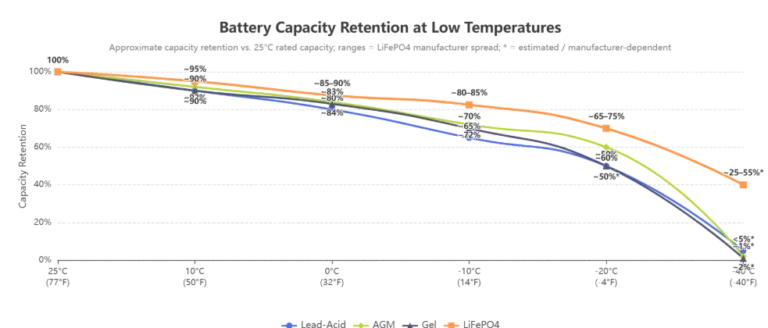
Cold-Weather Capacity Comparison
The table below provides a comparison of how typical battery capacity can change as temperature decreases.
| Temperature | Lead-Acid | AGM | Gel | LiFePO4 |
| 25°C (77°F) | 100% | 100% | 100% | 100% |
| 10°C (50°F) | ~90% | ~92% | ~90% | ~95% |
| 0°C (32°F) | ~80% | ~84% | ~83% | ~85–90% |
| -10°C (14°F) | ~65% | ~72% | ~70% | ~80–85% |
| -20°C (-4°F) | ~50% | ~60% | ~50%* | ~65–75% |
| -40°C (-40°F) | <5%* | ~2%* | ~1%* | ~25–55%* |
(* Representative / application-dependent values, not universal chemistry ratings.)
How Does Cold Weather Affect Battery Performance?

Lower Available Capacity
Battery capacity generally decreases as temperature falls. The amount of capacity available depends on battery chemistry, discharge rate, state of charge, and cell design.
Higher Internal Resistance
Cold temperatures can increase internal resistance, which can reduce the voltage and power available from the battery under load.
This is particularly important for applications that require a high current in a short period, such as engine starting.
Reduced Charging Performance
For many lithium-ion batteries, charging at temperatures below the manufacturer’s specified limit can create safety and performance concerns. A battery management system may therefore prevent or reduce charging when the cells are too cold.
How to Choose a Battery for Cold-Weather Applications?

Vehicles
Vehicle batteries or automotive grade batteries need reliable starting power in cold conditions. AGM is commonly used for this type of application because of its cold-cranking performance.
Key specifications include cold-cranking performance, capacity, and the vehicle’s required battery specifications.
RV and Deep-Cycle Applications
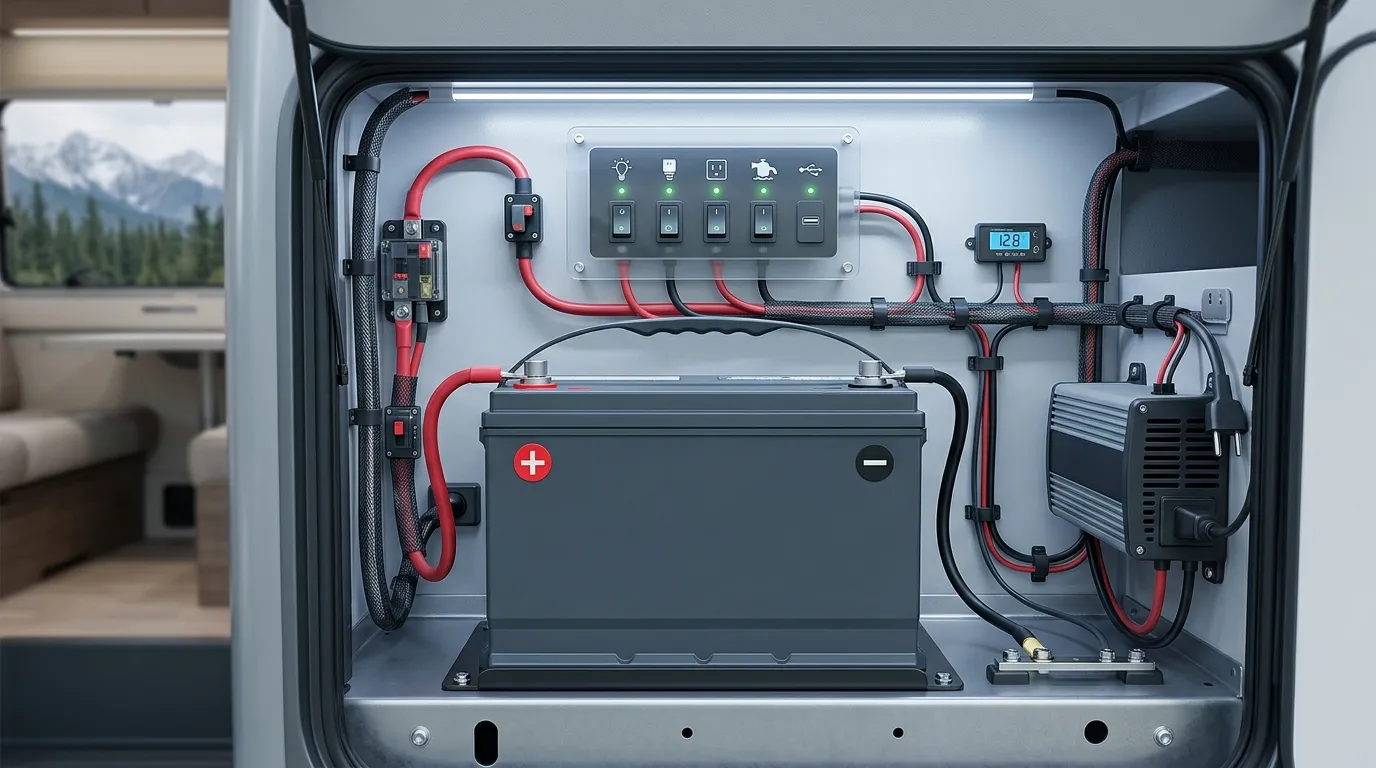
RV systems generally prioritize usable capacity and cycle life rather than short-duration starting power.
LiFePO4 can be a suitable option, but batteries used in freezing conditions should have appropriate low-temperature charging protection or heating.
Solar and Off-Grid Systems
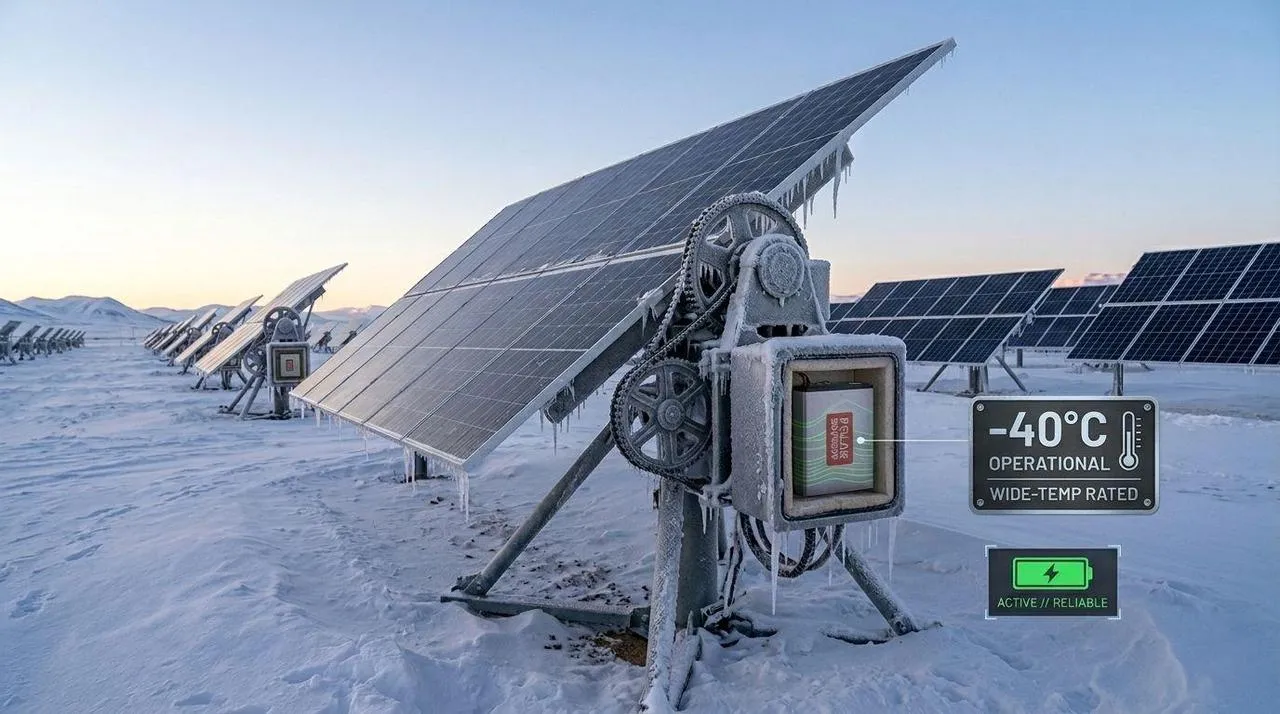
Solar and off-grid systems require reliable repeated charging and discharging. LiFePO4 is commonly used for these applications, but the battery’s charging temperature range and BMS protection should be evaluated carefully in cold climates.
Industrial Devices and Equipment
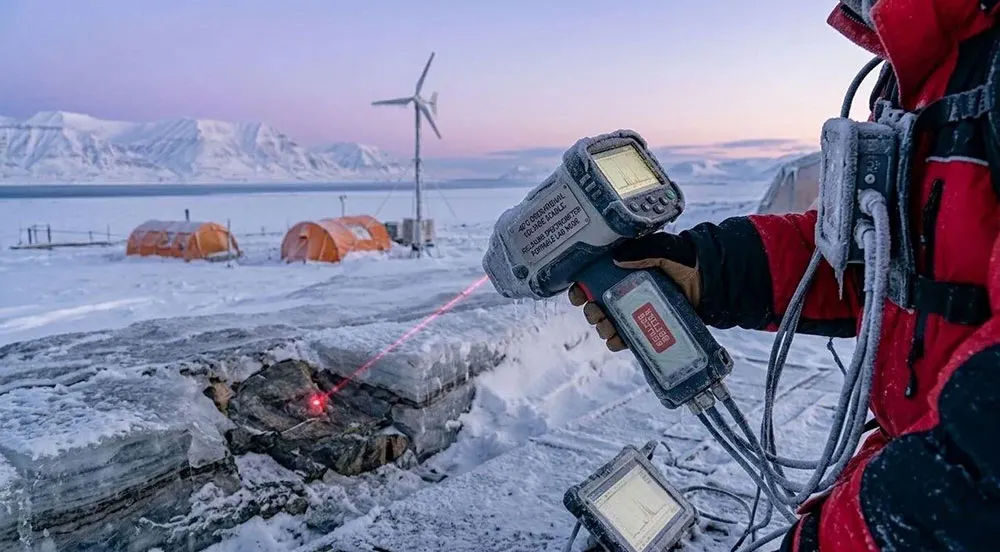
Industrial applications may require batteries to operate, discharge, or even charge at sub-zero temperatures.
Requirements can also include specific current output, long operating time, mechanical constraints, and customized BMS or battery-pack integration.
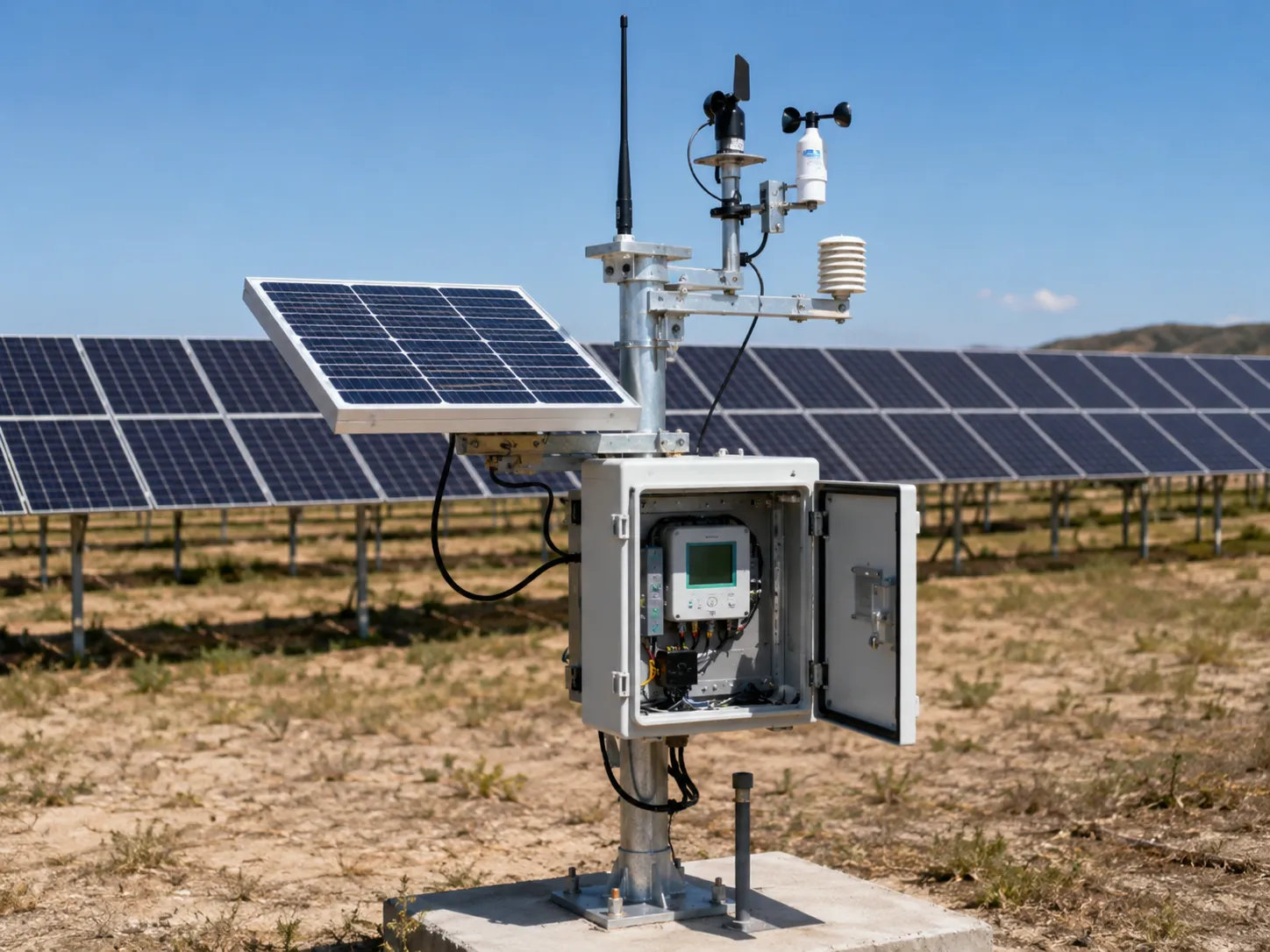
Outdoor and Remote Equipment
Remote monitoring, tracking, communication, IoT, security, and other outdoor equipment may experience large temperature variations.
These applications may require a combination of wide-temperature operation, low self-discharge, compact size, reliable discharge performance, and customized protection.
What About Extremely Cold Applications?
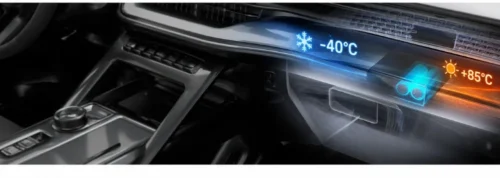
For applications operating at -30°C, -40°C, or below, standard batteries may not provide reliable performance. At these temperatures, both battery capacity and charging performance can be significantly affected.
This is the key to industrial equipment, remote monitoring, tracking devices, communication systems, and outdoor applications that need reliable operation in extreme cold.
For these demanding applications, the focus should be on selecting a battery engineered for low-temperature operation and charging, rather than simply choosing a conventional battery.
UltraXel Low Temperature Battery Solutions for Industrial Applications
For industrial and outdoor applications operating in extremely cold or wide-temperature environments, a standard battery fails to provide reliable performance. The right solution depends on the cell, temperature range, charging conditions, and overall battery-pack design.
UltraXel low temperature lithium ion battery delivers full capacity at -40 °C without preheating, providing reliable power for your applications.
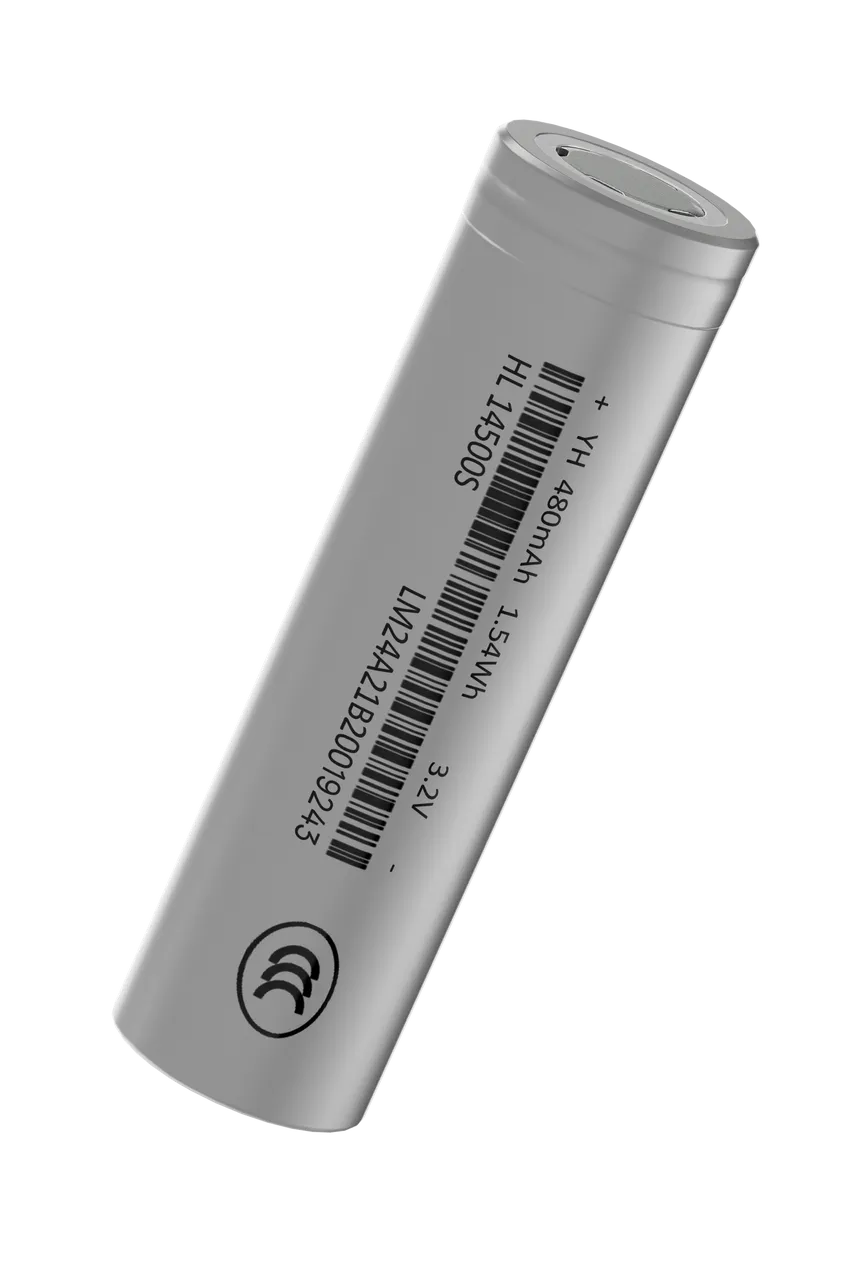
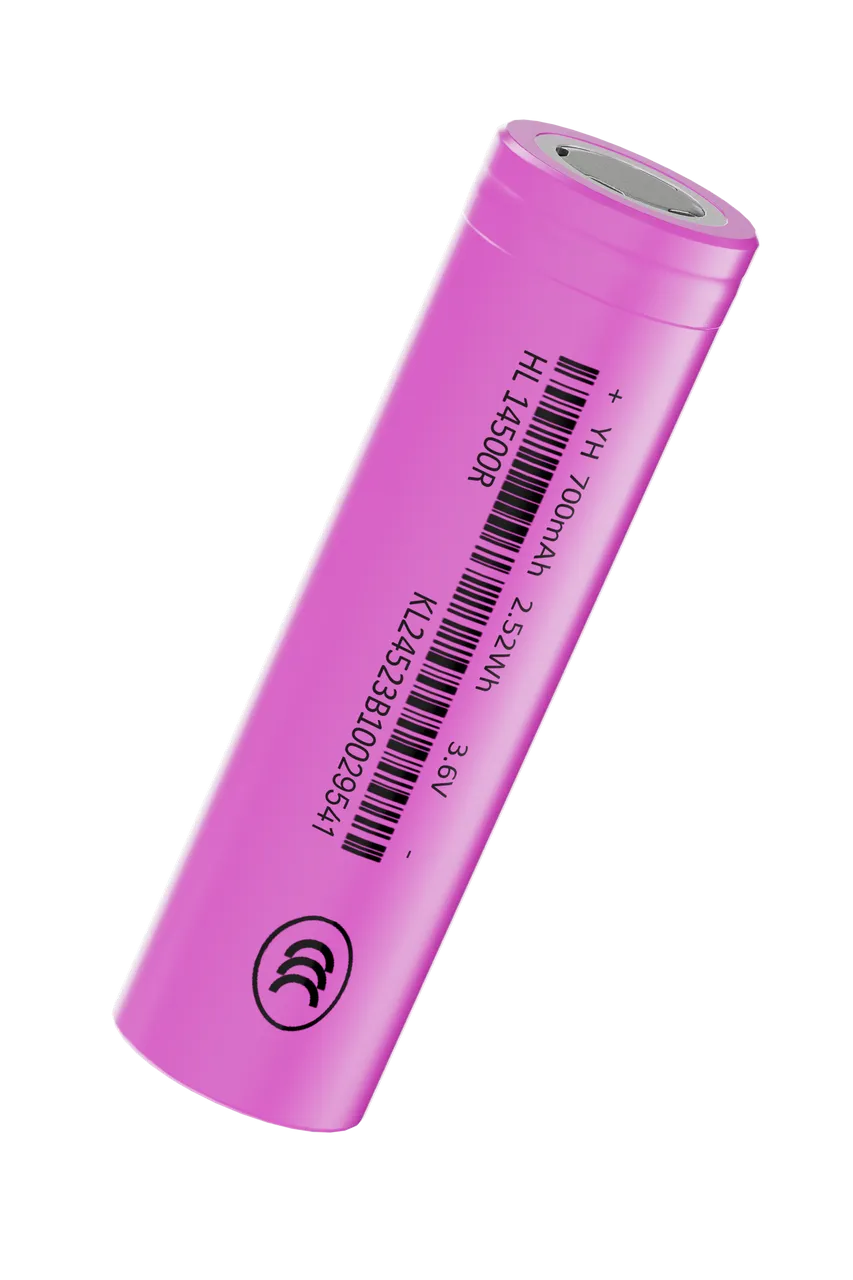

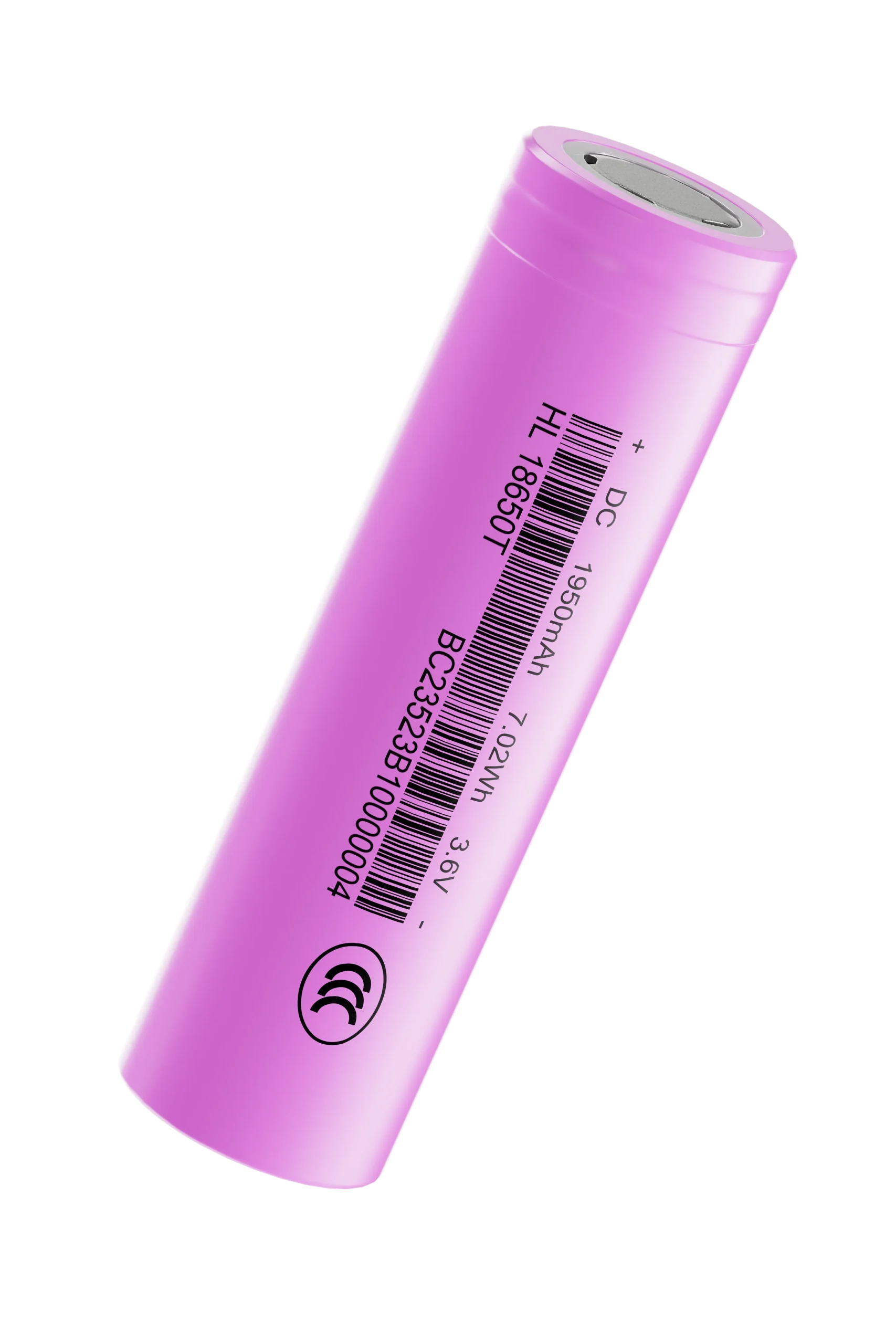
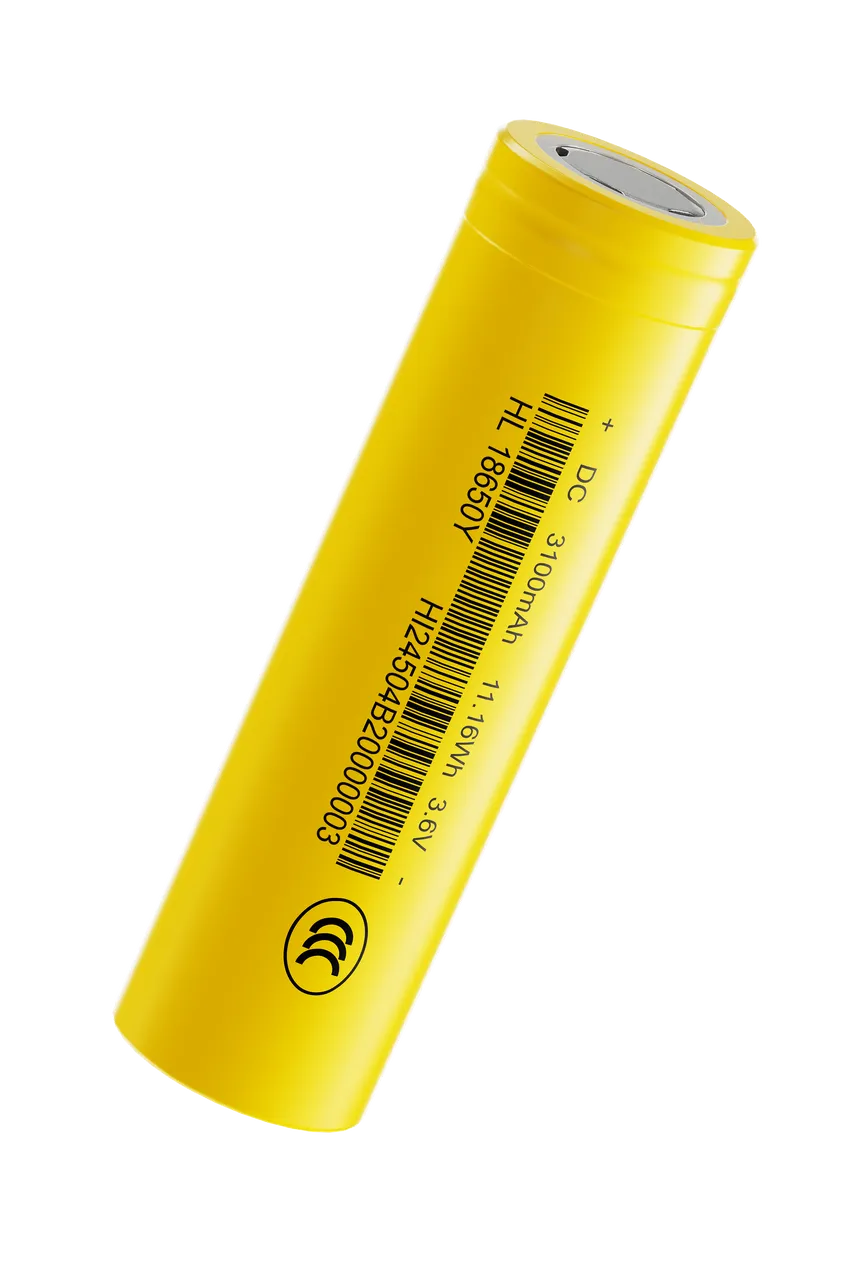
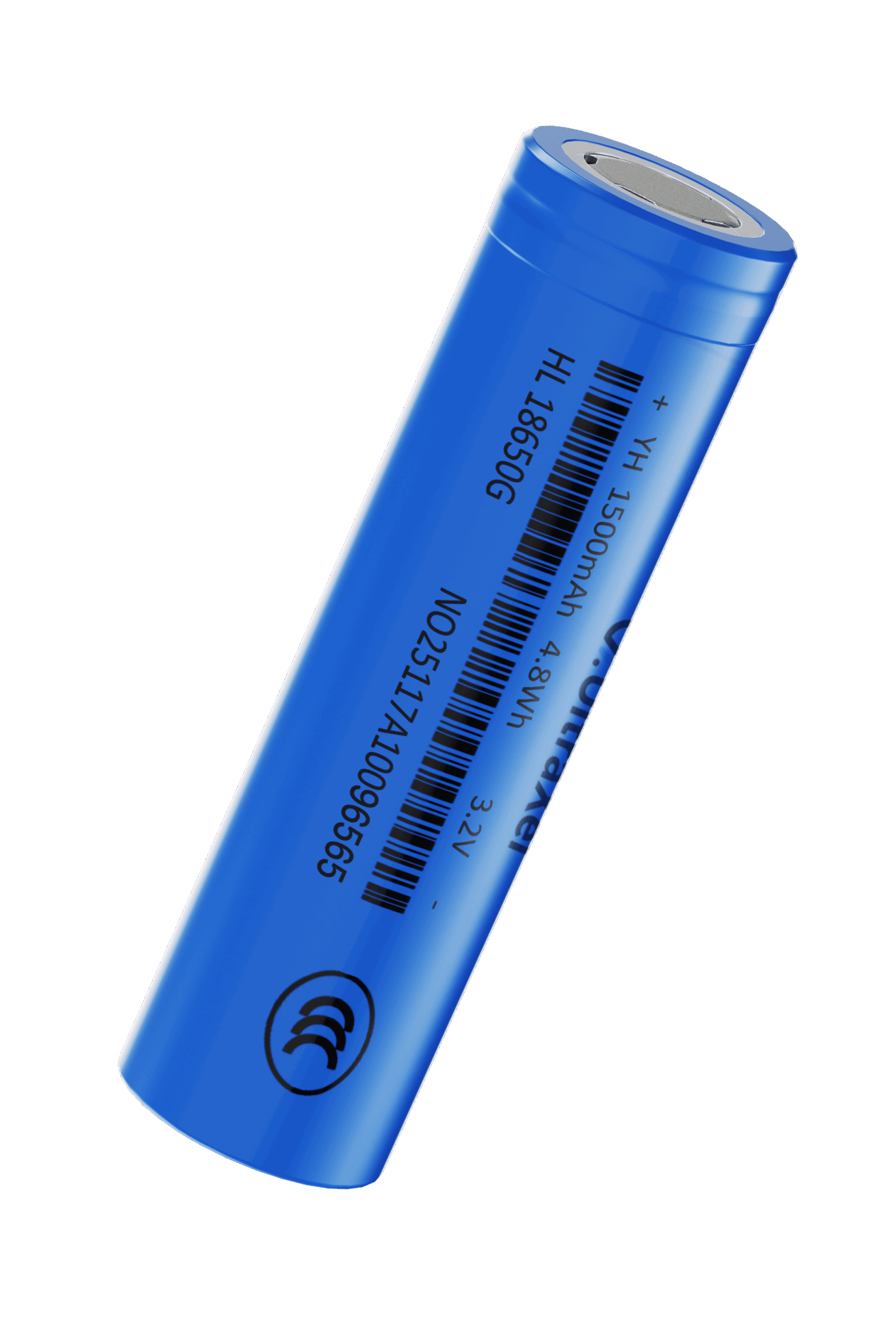
The appropriate battery depends on the application’s operating temperature, charging conditions, capacity requirements, discharge current, and expected service life. UltraXel can evaluate these requirements and recommend a suitable cell or battery-pack solution.
FAQ
Can lithium-ion batteries work in cold weather?
Yes. Lithium-ion batteries can work in cold weather, but low temperatures can reduce capacity and charging performance. The battery should be designed for its specified temperature range.
Do batteries lose capacity in cold weather?
Yes. Cold temperatures generally reduce available battery capacity and increase internal resistance.
Can LiFePO4 batteries be charged below freezing?
Standard LiFePO4 batteries generally should not be charged below 0°C unless the battery system is specifically designed for low-temperature charging.
Is AGM better than lithium in cold weather?
For vehicle starting, AGM is commonly suited to cold-weather conditions. For deep-cycle and energy-storage applications, lithium can offer advantages when properly designed for low temperatures.
What battery works best at -40°C?
For -40°C application, a battery specifically engineered and validated for the required low-temperature operating and charging conditions is needed.