Introduction
High-temperature environments are one of the main causes of battery failure in industrial systems. Standard lithium-ion batteries often degrade rapidly above 60°C, but many real-world industrial scenarios, such as oil wells, outdoor solar installations under intense sunlight, high-temperature manufacturing areas, and desert installations, regularly exceed these limits. Selecting the right battery for high-temperature operation is essential for safety, stability, and long-term reliability.

In this guide, we cover:
- What high-temperature batteries are
- Different types of high-temperature batteries
- A temperature compatibility table to guide selection
What Are High-Temperature Batteries?
High-temperature batteries are specially engineered to operate safely and efficiently at extreme temperatures far exceeding conventional battery working thresholds. They maintain stable electrochemical performance, structural integrity and consistent power output under high heat conditions that would otherwise cause ordinary batteries to degrade rapidly and fail.
Typical High-Temperature Industrial Environments
Examples of environments where batteries face extreme heat:
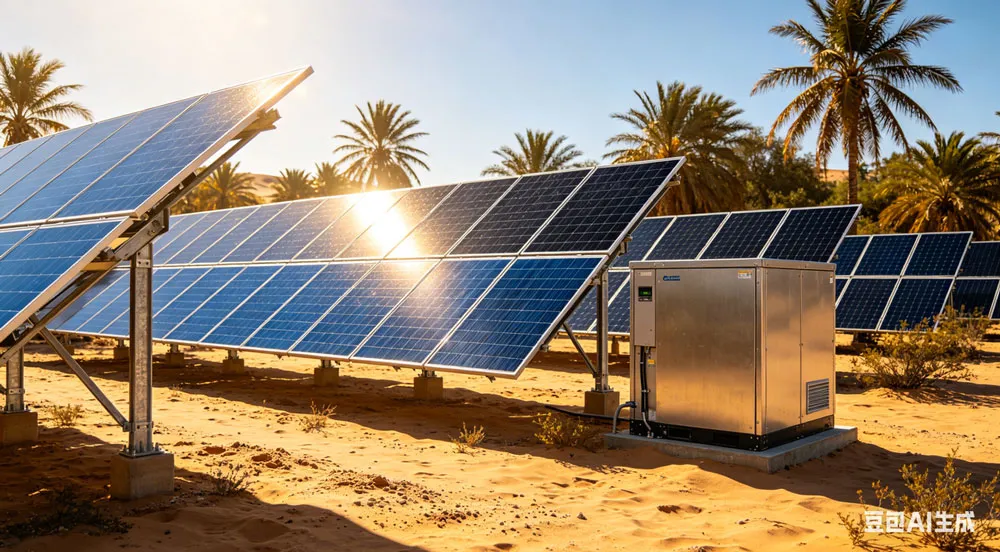
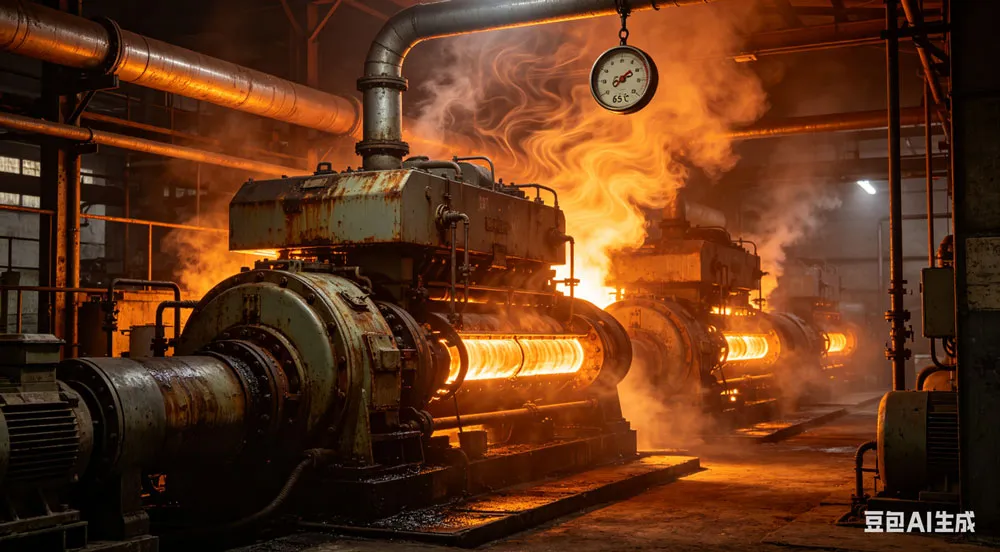
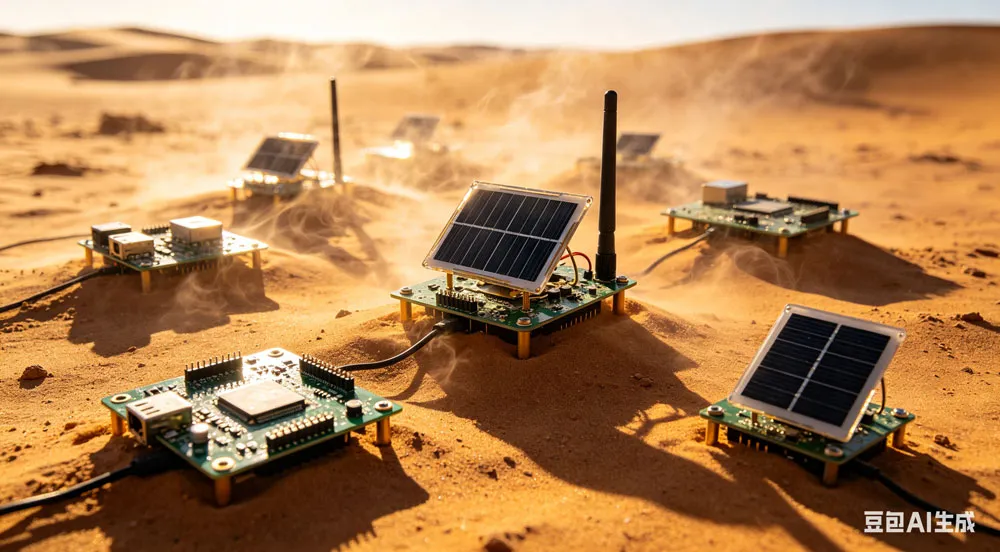
| Oil and gas drilling sites | Outdoor solar and renewable energy installations | High-temperature manufacturing facilities | Desert or arid-area sensor networks |
| Downhole tools are exposed to intense heat and pressure. | Panels and storage systems under direct sunlight in desert or tropical regions. | Industrial machinery generates consistent heat, sometimes above 60°C. | Electronics are exposed to long hours of intense sunlight and high ambient temperatures. |
 |  |  |  |
Types of High-Temperature Batteries
Different chemistries can withstand high temperatures, each with its strengths and limitations:
Nickel-Metal Hydride (NiMH) Batteries
| Temp range: -20℃ ~ +60℃ Pros: Better heat tolerance than older chemistries Cons: High self-discharge, lower efficiency | 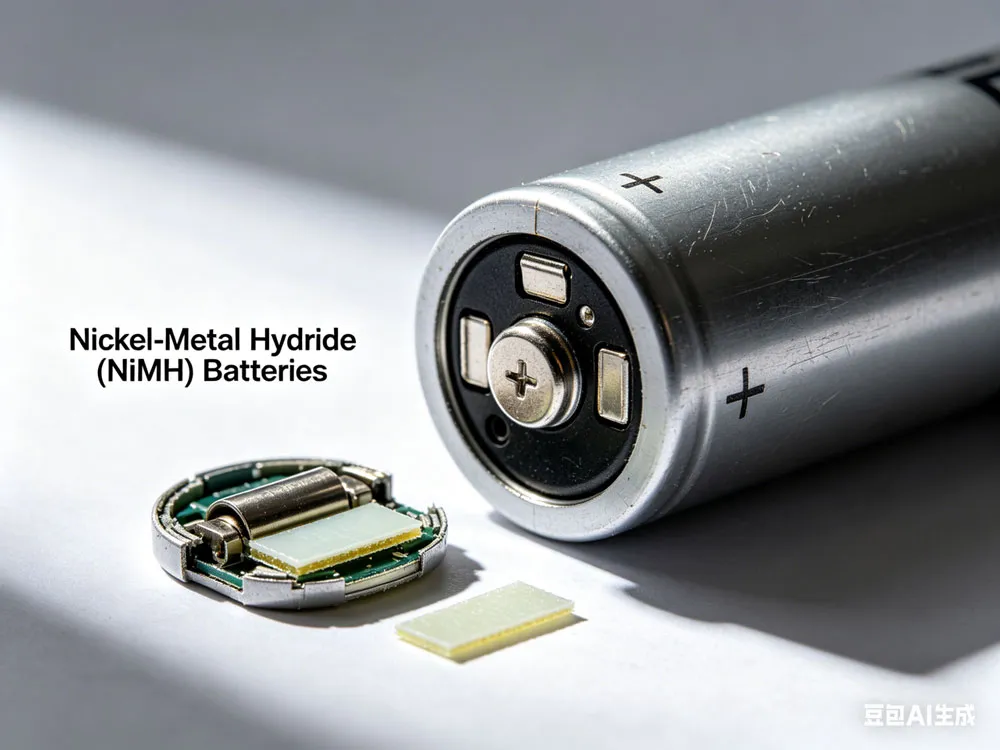 |
Lead-Acid Batteries
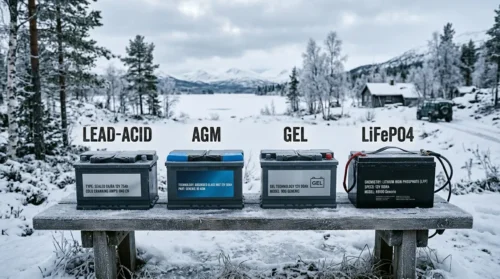
| Temp range: -15℃ ~ +45℃ Pros: Low cost Cons: Poor high-temperature performance, heavy | 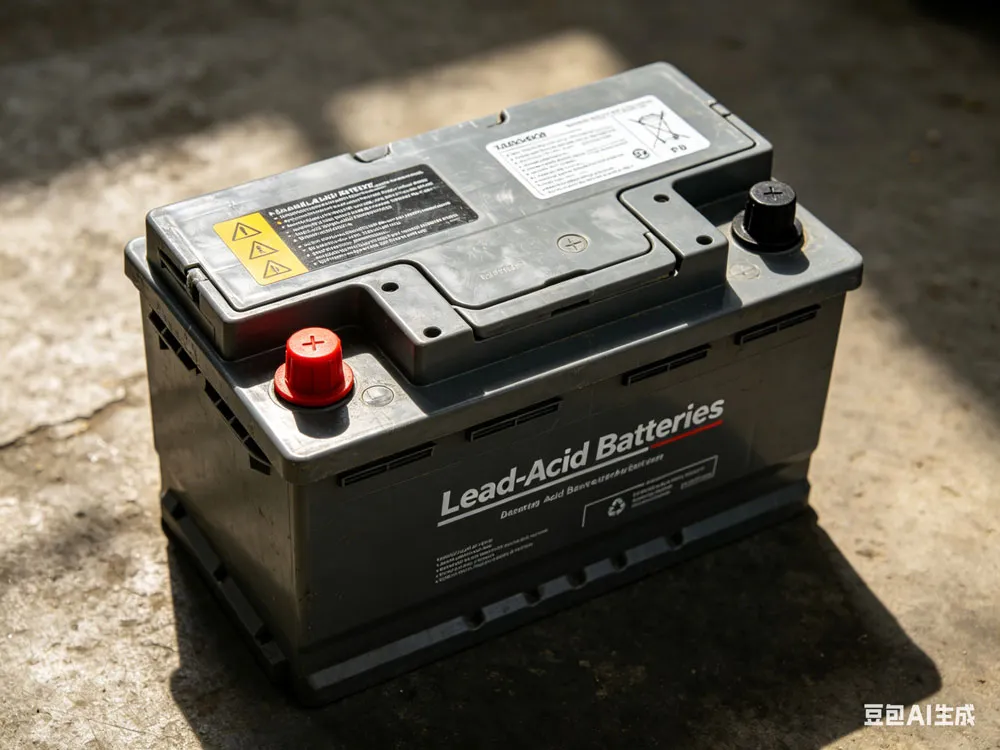 |
Lithium Thionyl Chloride (Li-SOCl₂) Batteries
| Temp range: -60℃ ~ +85℃ Pros: Excellent thermal stability, long shelf life Cons: Non-rechargeable, higher cost | 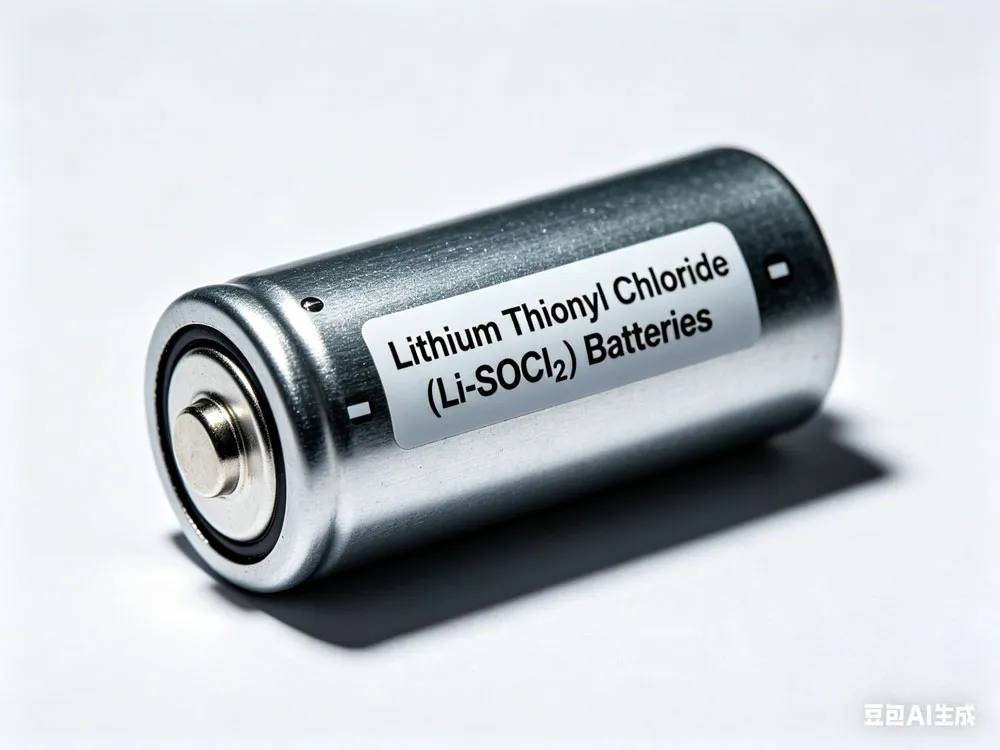 |
However, only specially designed lithium-ion cells can operate reliably in high temperatures.
UltraXel Wide Temperature Lithium-Ion Batteries (Recommended)
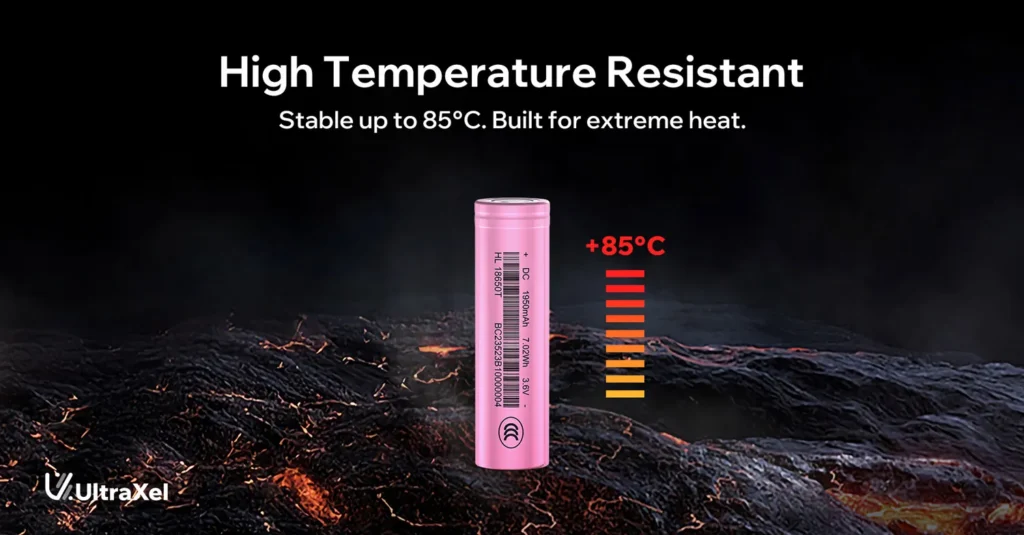
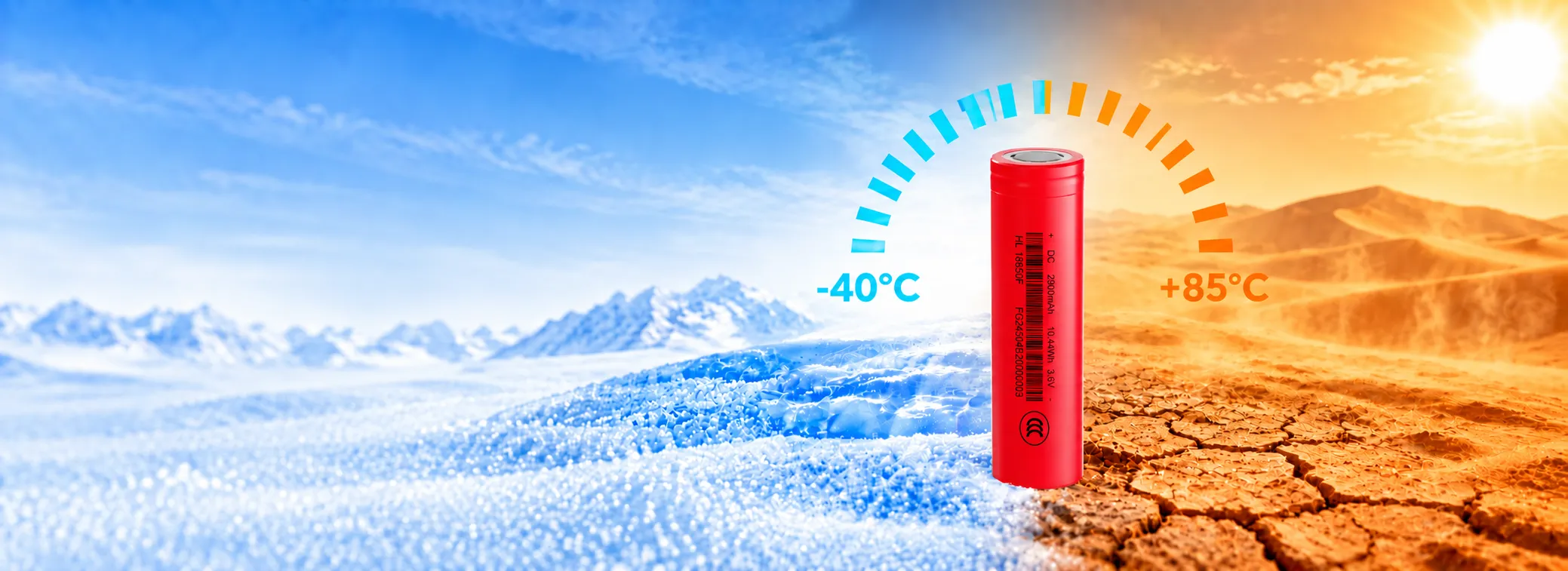
UltraXel wide temperature lithium-ion batteries are designed to perform reliably in extreme environments, typically ranging from -40°C to +85°C. Compared with standard batteries, they provide:
- Consistent performance in both high and low temperatures
- Superior safety and thermal stability
- Extended lifespan under harsh conditions
- Increased reliability for industrial applications
High-Temperature Batteries Selection Guidance
| Battery Type | Temperature Range | Rechargeable | Cycle Life | Advantages | Disadvantages | Best Application |
|---|---|---|---|---|---|---|
| Nickel-Metal Hydride (NiMH) Batteries | -20℃ ~ +60℃ | Yes | 500-1,000 | Better heat tolerance than older battery chemistries | High self-discharge rate, lower energy efficiency | Consumer ElectronicsAutomotiveIndustrial & Backup Power |
| Lead-Acid Batteries | -15℃ ~ +45℃ | Yes | 1,000+ | Low production and application cost | Poor high-temperature resistance, heavy weight | Automotive & TransportationTelecom & Data CentersRenewable Energy |
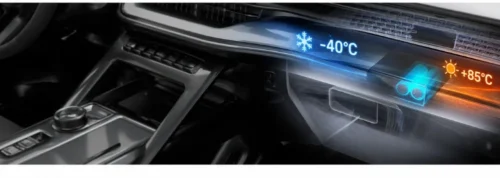
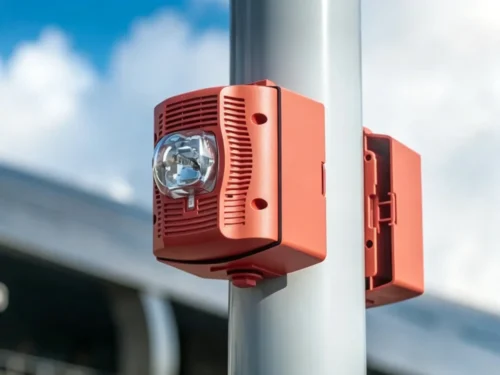
| Lithium Thionyl Chloride (Li-SOCl₂) Batteries | -60℃ ~ +85℃ | No | N/A | Excellent thermal stability, ultra-long shelf life | Non-rechargeable, relatively high cost | Smart MetersIndustrial IoTsecurity alarms |
| UltraXel Wide Temperature Lithium-Ion Batteries | -40℃ ~ +85℃ | Yes | Up to 5,000 | 1. Stable performance at both high and low temperatures; 2. Outstanding safety and thermal stability; 3. Long service life in harsh environments; 4. High reliability for industrial scenarios | Professional customized wide-temperature model with targeted application positioning | Automotive T-BoxSurveillance & Security Medical DevicesIndustrial Handheld Devices |
Why Recommend UltraXel Batteries?
For industrial operations that face high-temperature challenges, UltraXel wide-temperature lithium-ion batteries provide a reliable solution:
- Stable performance from -40°C to +85°C
- Long lifecycle under continuous heat
- Industrial-grade safety features
- Range of cells available (HL18650F/T/Y)
Which High-Temperature Battery Do You Need?
Choosing the right chemistry depends on your specific industrial requirements. Here is a quick breakdown to guide your decision:
- For Extreme Stability & Long Standby (Non-Rechargeable): Choose Lithium Thionyl Chloride (Li-SOCl₂). Best for smart meters and remote sensors where the battery won’t be charged and needs to last for years in heat up to +85°C.
- For Budget-Sensitive, Low-Demand Apps: Choose Nickel-Metal Hydride (NiMH). Suitable for consumer-grade electronics or basic backup power where temperatures don’t exceed +60°C and energy density isn’t a priority.
- For High-Performance, Rechargable Industrial Systems: Choose UltraXel Wide-Temperature Lithium-Ion. This is the most versatile solution for modern industry. It provides the high energy density of lithium-ion with extreme thermal stability (-40°C to +85°C) required for Automotive T-Boxes, industrial handhelds, and outdoor surveillance.
- For Large-Scale, Stationary Systems (Heavy weight):Lead-Acid remains a low-cost option but is increasingly being replaced by Li-ion due to its poor lifespan in high-heat environments and heavy maintenance requirements.
If your application requires rechargeability, long cycle life (up to 5,000 cycles), and a compact size without compromising safety in extreme heat, UltraXel Wide-Temperature Li-ion batteries are the industry-leading choice.
FAQ
Which batteries last longer, lithium or NiMH?
Both types of batteries have similar power capacity, but Li-ion batteries charge more quickly and have a longer life cycle than NiMH batteries.
What happens to a standard battery if it exceeds 60°C?
Standard lithium-ion batteries are sensitive to heat. Above 60°C, the chemical components begin to degrade rapidly, leading to a permanent loss of capacity, electrolyte leakage, or even thermal runaway. UltraXel wide-temperature batteries use specialized chemistry to remain stable and safe up to +85°C().
Can high-temperature batteries also work in extreme colds?
Yes, many industrial applications face both extremes. While standard batteries struggle in the cold, UltraXel wide-temperature lithium-ion batteries are engineered for a dual-performance range of -40°C to +85°C, ensuring reliable operation for outdoor devices.