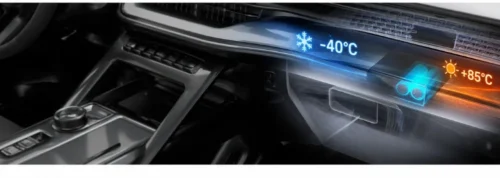
Different battery chemistries and cell designs offer different levels of temperature stability, energy density, cycle life, and rechargeability.
Some high-temp applications use primary batteries such as lithium-thionyl chloride (Li-SOCl₂) for long-term, low-power operation, while rechargeable applications may require high-temperature lithium-ion batteries for reliable power and stable performance at elevated temperatures.
Choosing the best battery for high temperature applications is about safety, reliability, and long-term cost. The following content looks at the main battery types used in high-heat environments and where each one is best suited.

What Are the Best Batteries for High Heat?
| Battery type | Rechargeable | Main advantage | Typical fit |
| Li-SOCl₂ | No | Long life, low self-discharge | Sensors, meters, remote devices |
| Li-ion | Yes | Energy density + high-temp stability | Industrial, automotive, IoT |
| LFP | Yes | Cycle life, safety | Industrial / energy storage |
| NMC | Yes | Energy density | Automotive / high-power |
| Lithium-metal | No | Energy density | Industrial, medical |
| Ni-based | Yes | Robustness in certain conditions | Legacy / specialized systems |
Lithium-thionyl chloride (Li-SOCl₂) batteries
Li-SOCl₂ is a primary, non-rechargeable lithium battery chemistry known for long service life and low self-discharge.
It is common in applications such as: Industrial meters, remote sensors, monitoring equipment, and backup power.
Lithium-ion batteries
Lithium-ion batteries include several chemistries, such as NMC, NCA, LCO, LFP, and LMO. Their performance at elevated temperatures depends on the chemistry, electrode materials, electrolyte formulation, separator design, cell construction, and thermal management. They are often the best industrial choice.
Lithium Iron Phosphate (LiFePO4/LFP)
LFP batteries are known for their strong thermal stability, safety characteristics, and long cycle life. These make LFP suitable for applications where safety and long service life are important.
Common applications include: Energy storage systems, industrial equipment, electric vehicles, and backup power systems.
Nickel Manganese Cobalt (NMC)
NMC batteries offer a combination of high energy density, power capability, and relatively compact size. They are widely used in applications where energy density and power output are important.
Their common applications are electric vehicles, power equipment, and industrial electronics.
Lithium-metal batteries
Lithium-metal batteries include specialized primary battery systems designed for demanding environments.
Some are suitable for applications where high energy density and extreme-temperature performance are important.
These batteries are generally more specialized than mainstream lithium-ion systems.
Nickel-based batteries
Nickel-based batteries, including NiCd and NiMH, have been used in industrial and demanding environments because of their robustness.
Their relatively lower energy density and other system considerations can make lithium-based technologies more attractive for many modern applications.
Among these batteries, lithium-ion technology offers high energy density, rechargeability, good power capability, and flexible choices, making it a practical foundation for high-temperature applications.
But, most commercial lithium-ion batteries cannot stand continuous operation above 60°C and may experience increased safety risks at elevated temperatures. A high-temp lithium-ion battery must be engineered with optimized electrode materials, electrolyte, separator, and cell construction to maintain stable performance under elevated temperatures.
What Happens to Standard Batteries in Extreme Heat (Above 60°C)?

High temperatures can accelerate chemical reactions inside a battery. Prolonged exposure to heat can therefore affect capacity, aging, cycle life, and thermal stability.
The actual impact depends on the battery chemistry, cell design, load profile, and duration of exposure.
| Temperature range | Typical battery challenge | Suitable battery approach |
| 40–60°C | Accelerated aging | Temperature-rated Li-ion/LFP |
| 60–85°C | Significant degradation | High-temperature cells / specialized design |
| 85–125°C | Beyond many standard rechargeable cells | Specialized high-temperature chemistry |
| >125°C | Extreme environment | Specialized primary or advanced battery systems |
Battery Chemistries Performances Under High-Temperature Applications
| Battery Chemistry | General operating Temp (°C) | Key Advantages | Limitations | Typical Applications |
| Li-SOCl₂ | -80 to +125 | Long life, low self-discharge | Non-rechargeable, limited high-current capability | Sensors, metering, backup |
| LFP | -20 to 60 | Safety, cycle life | Lower energy density than some NMC systems | Energy storage, industrial |
| NMC | 0 to 100 | High energy density, good power | High-temperature performance varies by design | EVs, power equipment |
| LCO | 0 to 60 | High energy density | Lower thermal robustness | Consumer electronics |
| LMO | -55 to 85 | Good power capability | Cycle life can be limited | Medical, industrial, power tools |
| LTO | -30 to 55 | Fast charging, long cycle life | Lower energy density, higher cost | Specialty industrial |
Check the battery operating temperature ranges based on different chemistries:

Compared with standard lithium-ion cells, high-temperature cells are specifically engineered to maintain performance under elevated temperatures.
For actual operating conditions, high-temperature lithium-ion battery is recommended. Factors such as maximum operating temperature, charging temperature, capacity, discharge current, and cycle life should also be evaluated before selecting a cell.
How to Choose a High-Temperature Lithium-Ion Battery?
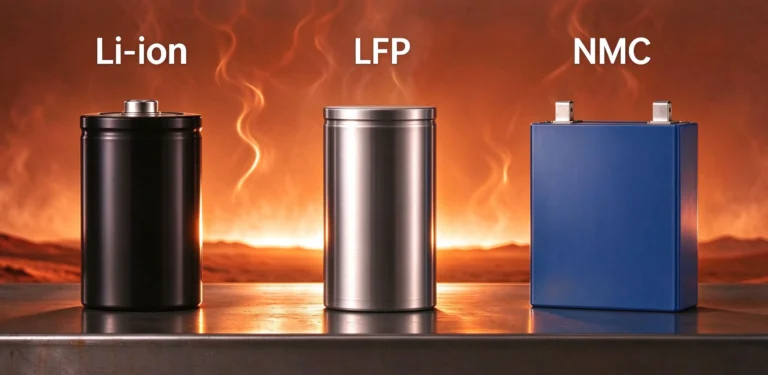
For rechargeable equipment exposed to elevated temperatures, consider these five factors before selecting a cell.
Maximum Operating Temperature
First determine the highest temperature the battery will experience and how long it will remain at that temperature.
For example, an application operating continuously at 60°C has very different requirements from equipment that may remain at 75°C or 85°C for extended periods.
Charging Temperature
Operating temperature is not the same as charging temperature. When evaluating a high-temperature lithium-ion battery, check:
- Discharge temperature
- Charging temperature
- Storage temperature
Capacity and Energy Density
Battery capacity should be selected according to the equipment’s power consumption and required operating time.
- Required capacity
- Device power consumption
- Runtime
- Available installation space
- Weight limitations
A higher-capacity cell is not always the best solution if the available space or current requirements are limited.
Continuous, Peak, and Pulse Current
Do not select a battery based on mAh alone.
The battery should also support the application’s:
- Continuous discharge current
- Peak discharge current
- Pulse load
Cycle Life and Storage Conditions
For rechargeable applications, consider how frequently the battery will be charged and discharged and how long it needs to remain in service.
High-temperature storage should also be evaluated when equipment may remain unused or in standby mode for extended periods.
Applications of High-Temperature Lithium-Ion Batteries
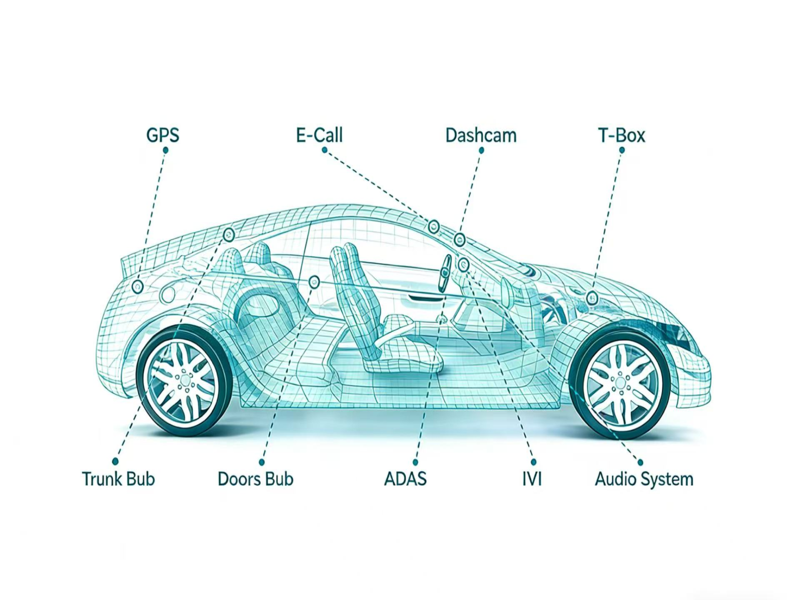
Automotive Electronics
Automotive electronics can experience elevated temperatures, particularly in enclosed areas or locations exposed to heat.
Potential applications include:
- T-Box
- Smart cockpit systems
- Dash cameras
- Automotive electronic modules
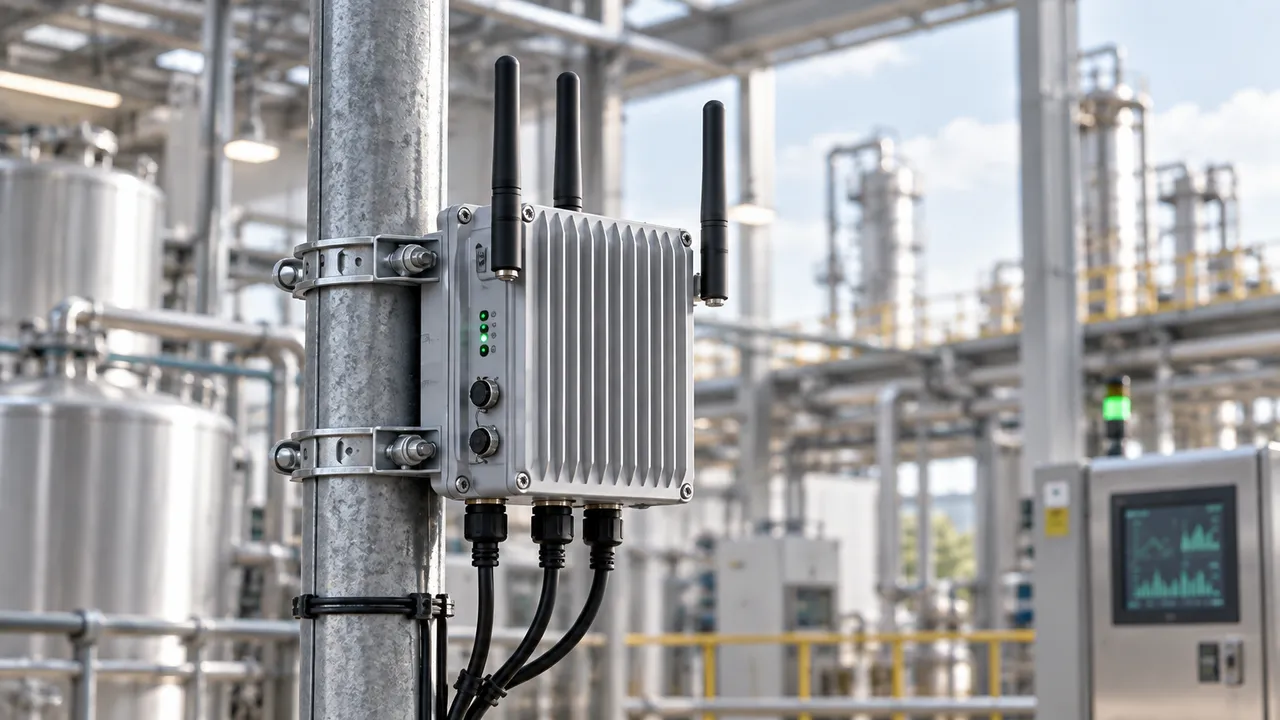
Industrial & IoT Equipment
Industrial IoT equipment, monitoring systems, and IoT equipment may operate near engines, machinery, production equipment, or other heat sources.
A high-temperature battery can help provide reliable backup or continuous power without requiring frequent replacement.

Security & Surveillance
Outdoor surveillance equipment may be exposed to direct sunlight and high ambient temperatures. High-temperature battery solutions can be used in:
- Security cameras
- Surveillance systems
- Remote monitoring equipment
- Outdoor security devices

Outdoor Equipment and Smart Agriculture
Outdoor equipment can experience large temperature variations and prolonged heat exposure. Applications can include:
- Agriculture IoT equipment
- Remote monitoring systems
- GPS and vehicle tracking devices
- Portable industrial equipment
Specialized Industrial Equipment
Some industrial applications require battery operation in environments where temperature is consistently high for a long period.
Examples include:
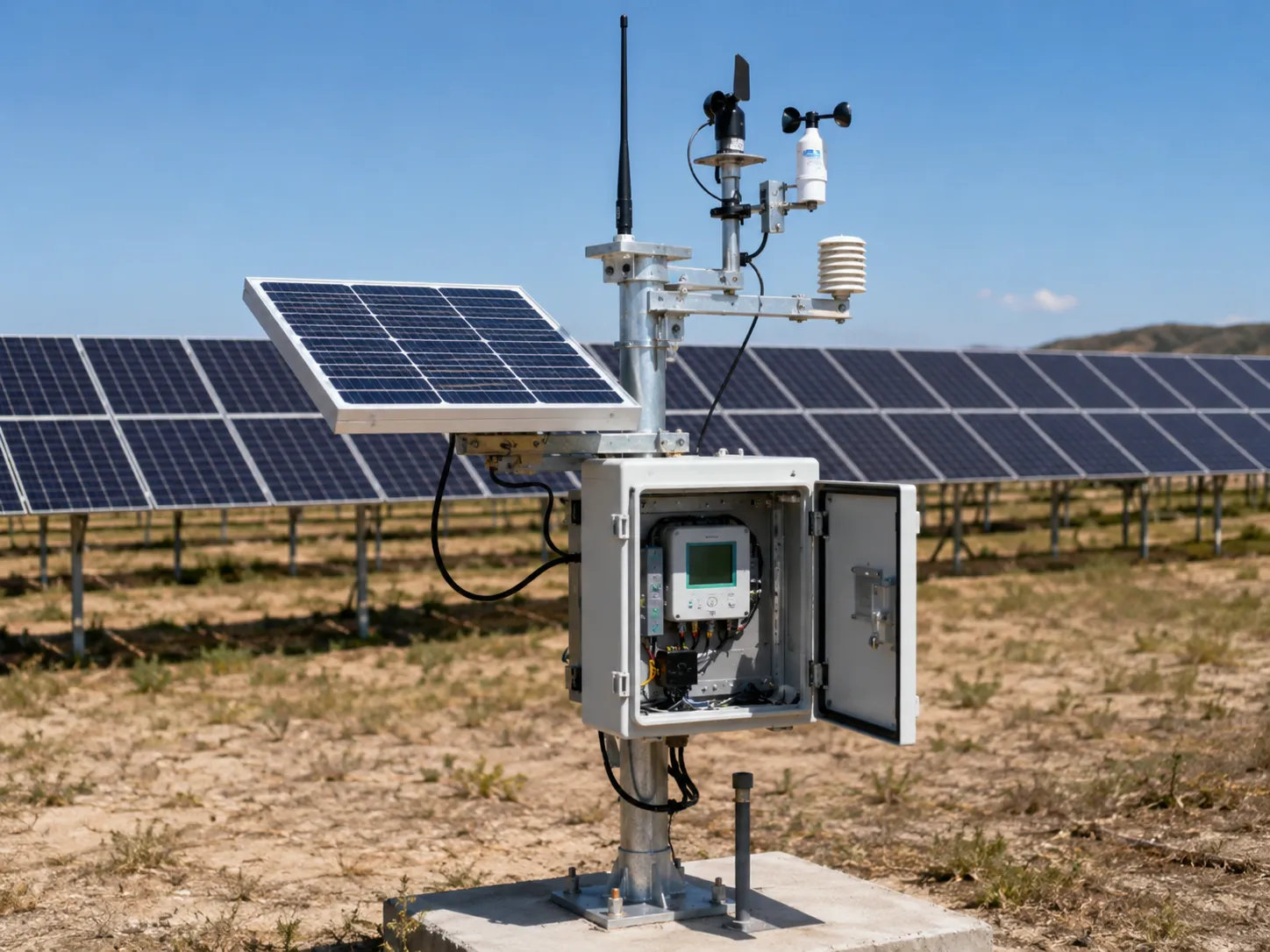
- Mineral exploration equipment
- Environmental monitoring
- Specialized industrial electronics
UltraXel High Temperature Battery Models
To meet different industrial needs, UltraXel provides a range of high-temperature lithium-ion cells.
For rechargeable applications exposed to elevated temperatures, UltraXel provides high-temperature lithium-ion cells and custom battery pack solutions.
The high-temperature battery platform includes:
- Cells like 14500 battery, 18650 battery, 21700 battery, and 32140 battery
- Operating temperatures up to +85°C according to product specifications
- High-temperature storage capability
- High-rate discharge options for selected cells
- Custom battery packs
- Cell and pack solutions for industrial, automotive, IoT, outdoor, and specialized applications
UltraXel’s high-temperature battery technology combines optimized electrode materials, high-temperature electrolyte formulations, separator technology, and cell design to improve performance under elevated-temperature conditions.
If your application requires rechargeable power in a high-temperature environment, the battery should be evaluated according to its actual temperature, power, capacity, current, and lifetime requirements.
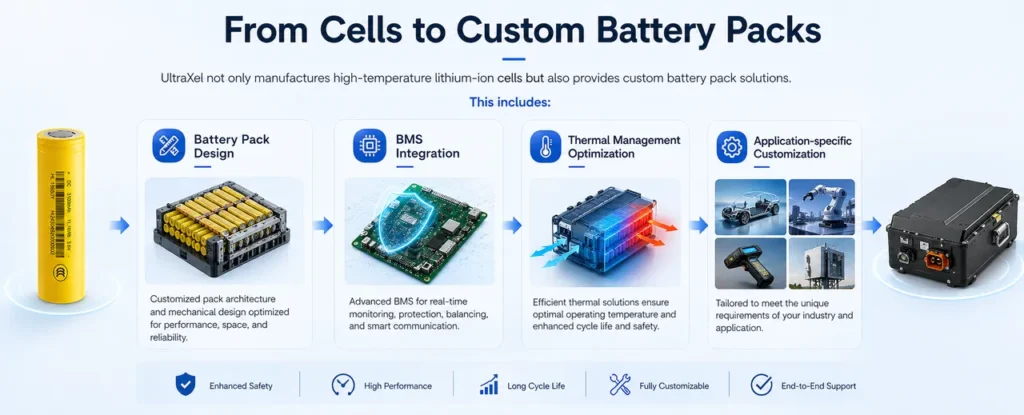
From Cells to Custom Battery Packs
UltraXel not only manufactures high-temperature lithium-ion cells but also provides custom battery pack solutions. This includes battery pack design, BMS integration, thermal management optimization, and application-specific customization.
FAQ
What battery chemistry is best for high-temperature applications?
Li-SOCl₂ can be suitable for long-life, low-power, non-rechargeable applications.
For rechargeable applications requiring energy density, repeated cycling, and elevated temperature, high-temperature lithium-ion batteries are more suitable.
How hot can a lithium-ion battery operate?
Standard lithium-ion cell can operate to 60°C. High-temperature lithium-ion cells can have significantly different temperature limits to even 125°C.
Can lithium-ion batteries be used above 60°C?
Yes, some lithium-ion batteries are specifically designed for operation above 60°C.
For applications operating continuously above 60°C, select a cell with a specified high-temperature operating range.
What is the difference between high-temperature and wide-temperature batteries?
A high-temperature battery is designed to maintain performance at elevated temperatures.
A wide-temperature battery emphasizes operation across a broad overall temperature range, including both low and high temperatures.
Can high-temperature lithium batteries be recharged?
Yes. High-temperature lithium-ion batteries are rechargeable.