
Cylindrical lithium-ion batteries serve as the power backbone for industrial equipment, outdoor electronics, surveillance systems, and automotive electronics. Among the dozens of available formats, the 14500 battery, 18650 battery, and 21700 battery/stand out as the three most widely adopted specifications across consumer and industrial markets. For design engineers, procurement teams, and OEMs, choosing the wrong cell format can lead to insufficient runtime, unreliable performance in harsh environments, or unnecessary cost overruns.
How Cylindrical Battery Model Numbers Work
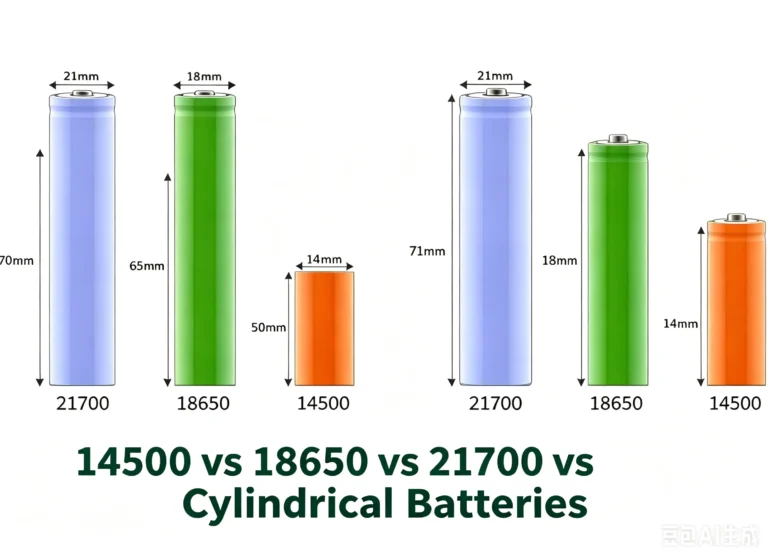
All standard cylindrical lithium-ion batteries follow a universal 5-digit naming convention, where each digit corresponds to a physical attribute of the cell:
- The first two digits = cell diameter, measured in millimeters
- The third and fourth digits = cell height, measured in tenths of a millimeter
- The final digit = 0, indicating a cylindrical form factor
Head-to-Head Comparison: 14500 vs 18650 vs 21700 Battery
Physical Size & Device Compatibility
14500 vs 18650 vs 21700 Lithium Battery
Compare common cylindrical lithium battery formats by size compatibility, application flexibility, capacity and power characteristics.
| Comparison Item |
|

|

|
|---|---|---|---|
| Battery Name | |||
| Size Advantage & Compatibility | Matches AA battery compartment, fits tiny compact devices | Universal standard, abundant ready-made holders, chargers & pack solutions | Larger single-cell energy storage |
| Cons | Small volume restricts capacity & discharge power | Balanced specs without extreme high energy | Cannot replace 18650 directly; needs custom structural design |
| Pros | Exclusive choice for mini AA-sized equipment | Mature supply chain, low R&D & procurement cost | High capacity & power for long-duration heavy-load devices |
All 14500, 18650 and 21700 battery cells from UltraXel follow standard dimensional specifications, and we also support custom configurations including built-in protection circuits, Type-C charging ports, and specialized terminals to match unique device designs.
Capacity & Energy Density
With identical chemistry and manufacturing quality, a larger cell volume translates to more active electrode material, higher per-cell capacity, and better volumetric energy density. This is the core driver behind the industry shift toward larger cell formats.
| Battery Model | Typical Capacity Range | Core Feature | UltraXel Wide-Temperature Models |
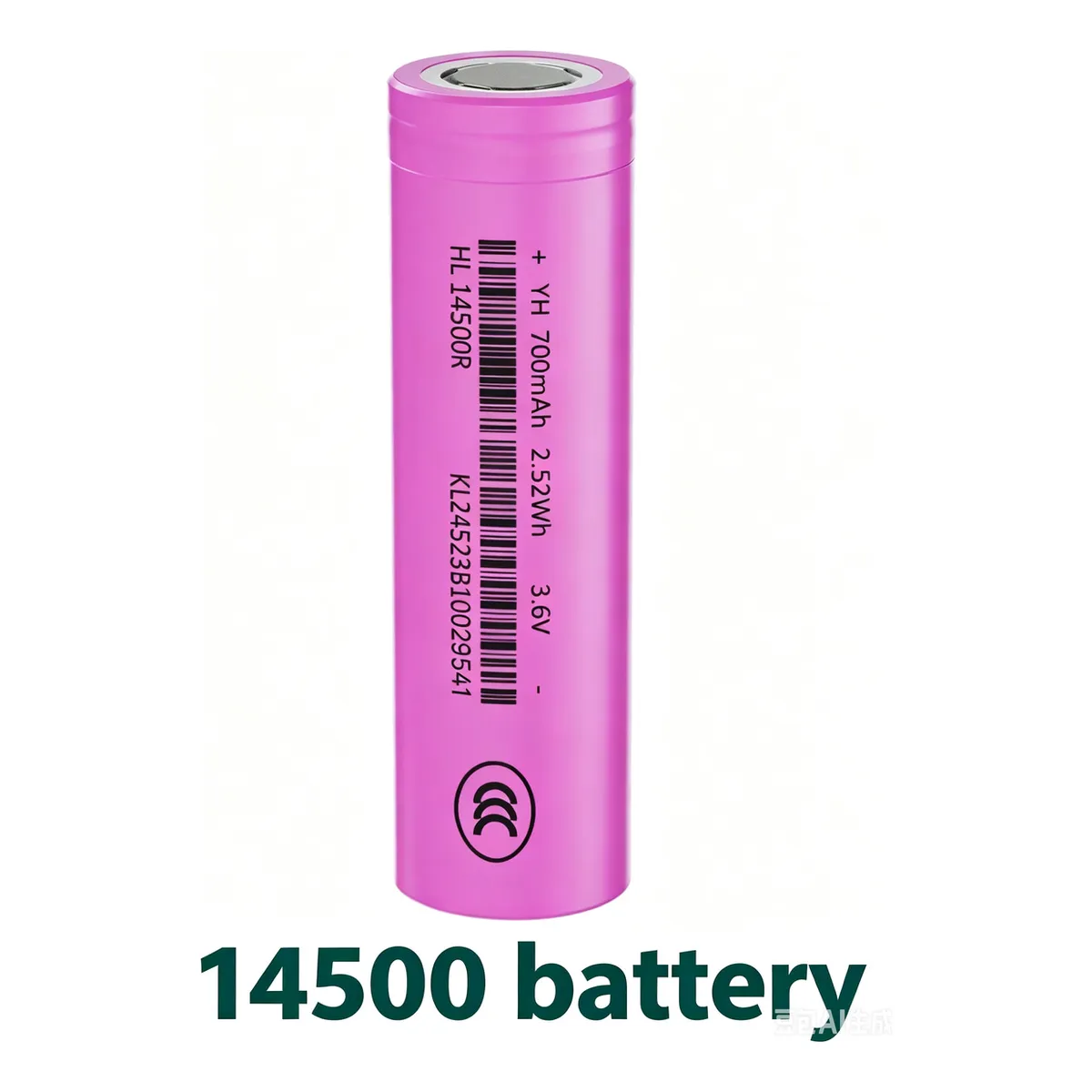
| 14500 Battery | 500mAh – 950mAh (LiFePO4 & NCM) | Smallest volume limited by compact form factor | • HL14500S: 500mAh long-life LiFePO4 for long-cycle compact use • HL14500R: 750mAh high-capacity for automotive electronics backupBoth operate -40°C to +85°C |
| 18650 Battery | 1600mAh – 3200mAh (wide performance range) | Most versatile formatcovers broad application needs | • HL18650V: 2900mAh, cold-weather optimized • HL18650T: 2000mAh, high-temperature standby • HL18650G: 1600mAh LFP, 1500+ cycles • HL18650Y: 3200mAh high-capacity NCM • HL18650F: 3000mAh, 30A max discharge |
| 21700 Battery | 4000mAh – 5000mAh (~50% higher than standard 18650) | Larger active material ratiohigher system-level energy density | High-capacity advantage extended to extreme environments; ideal for long-runtime outdoor and industrial equipment |
- energy density (Wh/kg) sees a more modest increase of 2% to 6% between 18650 and 21700 formats, depending on internal cell construction.
Discharge Rate & Power Output
Discharge performance depends on electrode design, internal resistance, and heat dissipation — all factors that scale with cell size.
| Battery Model | Typical Discharge Rate | Performance Characteristic |
| 14500 Battery | Max discharge current under 5A | Small form factor limits high-rate performancesufficient for low-power use cases |
| 18650 Battery | Wide range: low-current standby up to 30A high-rate discharge | Broadest discharge versatilitybalances power and runtime |
| 21700 Battery | Up to 3.75C discharge rate | Larger cross-section reduces internal resistance and improves heat dissipationmore stable voltage, lower polarization than same-chemistry 18650 |
Typical Industrial Applications
Each cell format aligns with specific industrial use cases based on its size and performance profile:
14500 battery: Ideal for space-constrained, low-power industrial devices.
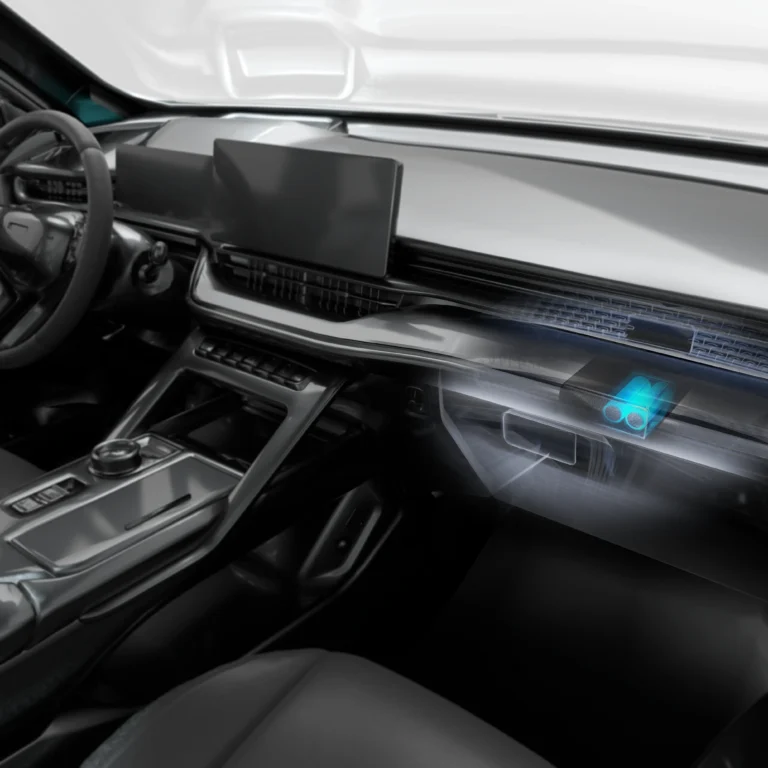
- Common uses include automotive electronics backup power T-Box, E-call systems, small IoT sensors, smart cold chain door locks, portable medical data loggers, and compact security accessories.

18650 battery: The workhorse of industrial power
- Used across surveillance and security cameras, industrial handheld devices, outdoor surveying instruments (total stations, weather sensors), portable medical equipment, mineral exploration tools, and remote communication devices.


21700 battery: Preferred for high-runtime, high-power applications where device size is not a primary constraint.
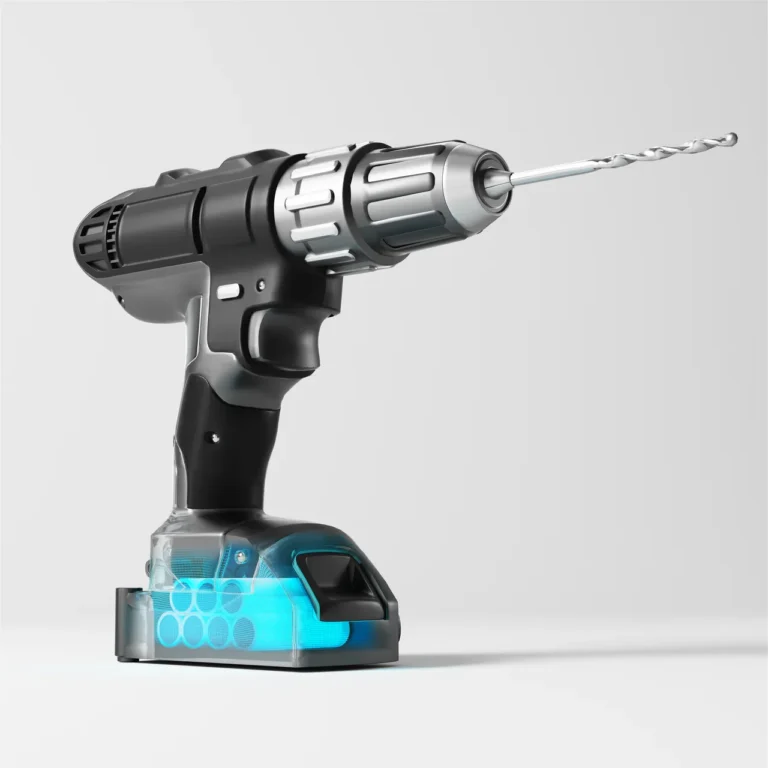
- Typical uses include cordless power tools, large-capacity outdoor energy storage, off-grid communication base station backup power, and heavy-duty outdoor instrumentation.

Key Similarities Between 14500, 18650 and 21700 Batteries
- Form factor:
- Standard cylindrical shape
- unified 5-digit naming rule
- rechargeable Li-ion principle
2.Chemistry options:
- Support NCM, LFP, LCO
- tunable for capacity
- discharge
- cycle life
3.Pack flexibility:
- Series & parallel configuration
- compatible with external BMS
- OEM customization available
4.Safety rules:
- Chemistry-matched chargers required
- same overcharge/over-discharge risks
- shared storage best practices
5.Industrial grade:
- Wide-temperature versions available
- -40°C to +85°C operation
Frequently Asked Questions About Difference
- Which battery, 21700 or 18650, has a longer lifespan?
Lifespan depends mainly on chemistry, build quality and operating conditions, not size alone. With identical materials, 21700 cells last longer under high-drain use thanks to better heat dissipation; premium 18650 cells deliver comparable cycle life in low-current, room-temperature standby scenarios.
- What is the difference between a 14500 and 18650 battery?
The 14500 matches AA size (14mm×50mm) with 500–950mAh capacity for tiny low-power devices. The 18650 is larger (18mm×65mm) with 1600–3200mAh capacity, stronger discharge performance and a far more mature supply chain for broad industrial and portable use.
- What is the holy grail of lithium batteries?
Solid-state lithium batteries are widely seen as the holy grail. They replace liquid electrolyte with solid conductors for higher energy density, better safety, wider temperature tolerance and longer cycle life; scalable low-cost mass production remains the main barrier to full adoption.